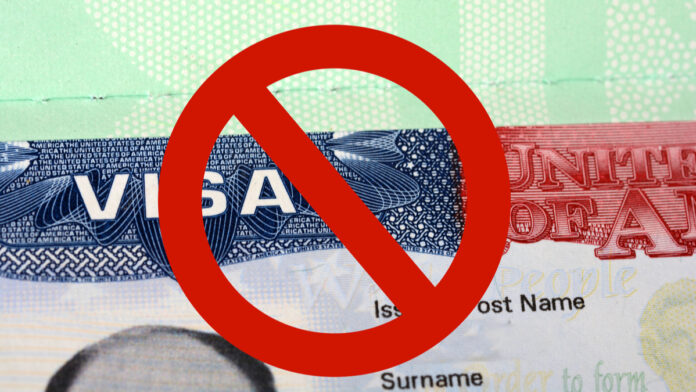
The geopolitical fault line between Islamabad and Kabul has finally fractured, triggering a humanitarian and bureaucratic nightmare for thousands of civilians. Following a series of intensified border skirmishes and the suspension of diplomatic norms, regular transit between Pakistan and Afghanistan has ground to a halt.
For the students, medical tourists, and economic migrants who rely on this corridor, the fallout is catastrophic. Pakistan has effectively shuttered the Torkham and Chaman border crossings to almost all foot traffic, while the issuance of new visas for Afghan nationals has been placed under emergency review.
This is no longer a localized border dispute. It is a full-scale migration crisis that threatens to trap an estimated 1.5 million people in an administrative limbo.
—
## The Current State of Play: Border Shutdowns
As of this morning, the primary conduits for trade and migration are under military control. The “soft border” policy that previously allowed for restricted tribal movement has been discarded in favor of a hard-line security perimeter.
– **Torkham Crossing:** Currently closed to all individuals without diplomatic status. Hundreds of cargo trucks remain stranded, and security personnel have been authorized to use force to prevent unauthorized crossings.
– **Chaman Border Point:** Restricted to repatriation only. While Pakistani authorities are allowing undocumented migrants to leave for Afghanistan, no entry is permitted for those seeking refuge or medical care.
– **Air Corridors:** Commercial flights between Kabul and Islamabad are operating on 24-hour schedules with frequent cancellations. Security screenings at Islamabad International Airport have tripled in duration.
Analysts suggest this is a calculated move by Islamabad to pressure the Taliban administration over cross-border militancy. However, the immediate victims are not combatants, but the documented travelers caught in the crossfire.
—
## Students Stranded: The Academic Fallout
The most visible victims of this visa freeze are the thousands of Afghan students enrolled in Pakistani universities. Under several scholarship schemes, Pakistan hosts a significant portion of the Afghan intellectual class. Today, that connection is severed.
> “Education is the quietest casualty of this conflict,” says Dr. Aris Mahmood, a migration analyst based in Islamabad. “We have thousands of students who returned home for term breaks now finding their visas revoked or ‘under review.’ Years of academic progress are being erased in a single week of border closures.”
Universities in Peshawar and Quetta have reported a 40% drop in attendance for Afghan cohorts. For those still in Pakistan, the expiration of current visas has turned them into “illegal residents” overnight, with many fearing deportation back into a conflict zone.
—
## The Visa Freeze: What You Need to Know
The Pakistani Ministry of Interior has tightened the “Student” and “Medical” visa categories to a point of near-total exclusion. If you are currently holding a pending application, here is the operational reality:
– **E-Visa Processing:** All pending e-visa applications for Afghan nationals have been moved to “Enhanced Vetting” status. Processing times have moved from 7 days to an indefinite timeline.
– **Medical Emergencies:** The previous “fast-track” window for those seeking urgent care in Pakistani hospitals has been suspended. Only life-threatening cases with pre-verified hospital documentation are being considered on a case-by-case basis.
– **Third-Country Relocation:** For Afghans using Pakistan as a transit point for Western resettlement (US, UK, or EU P1/P2 programs), the backlog is growing. The closure of the border means those with interviews at foreign embassies in Islamabad cannot reach their appointments.
—
## The Humanitarian Corridors: Are There Alternatives?
With the main arteries blocked, migrants are increasingly turning to dangerous peripheral routes. Human rights monitors warn that the closure of official gates is a boon for human trafficking syndicates operating in the Spin Boldak region.
Data suggests that “smuggling fees” for crossing the Durand Line have spiked by 300% since the hostilities escalated. These routes offer no safety and no legal standing once inside Pakistan, leaving migrants vulnerable to extortion by both criminal gangs and corrupt low-level officials.
### Emergency Measures for the Stranded
For those currently trapped or facing visa expiration, international NGOs are advising the following:
– **Registration with UNHCR:** Do not wait for visa renewal. Contact the local UNHCR office to document your presence as a person of concern.
– **Document Digitalization:** Ensure all academic and medical records are uploaded to secure cloud storage. Physical documents are being confiscated or destroyed at certain checkpoints.
– **Legal Advocacy:** Seek out legal aid groups specializing in the Foreigners Act to avoid summary deportation.
—
## Impact: What Happens Next?
The long-term impact of this freeze will be felt in the labor markets and classrooms of both nations. By weaponizing the visa system, the regional powers are creating a “lost generation” of Afghans who can neither stay in their homeland nor legally exit.
If the diplomatic freeze continues for another 30 days, we expect to see a total collapse of the formal migration system. This will inevitably lead to a surge in undocumented populations, which ironically creates the very security vacuum that the border closures were intended to prevent.
> “You cannot solve a security crisis by creating a bureaucratic one,” a source within the International Organization for Migration (IOM) told SPM BUZZ. “By shutting the gates, you don’t stop movement; you simply make it illegal, dangerous, and untraceable.”
For now, the advice for all travelers is clear: Avoid the border regions, expect no leniency from immigration officials, and prepare for a prolonged period of administrative paralysis. The war is not just being fought with artillery—it is being fought with stamps and denied permits.

