
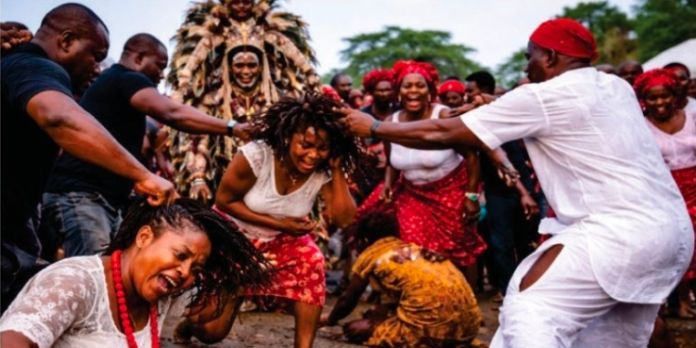
A cultural festival in Nigeria’s Delta State has come under heavy scrutiny after shocking allegations of harassment and assault against women surfaced online. What was once seen as a traditional celebration has now ignited a nationwide conversation about safety, consent, and the limits of cultural practices in modern society.
Highlights:
- Women reportedly faced harassment and assault during the Ozoro festival
- Viral videos triggered outrage across Nigeria and beyond
- Rights groups have condemned the incidents as human rights violations
- Authorities have launched investigations into the matter
- Debate intensifies over culture versus women’s safety
Main Story:
Festival Marred by Disturbing Claims
The Ozoro community in Delta State is at the center of a growing controversy following reports that women were subjected to inappropriate and forceful behavior during a local cultural event. The celebration, traditionally associated with fertility rites and communal heritage, has now drawn criticism for alleged misconduct that took place in public spaces.
Eyewitness accounts and circulating footage suggest that some women were pursued, touched without consent, and subjected to distressing encounters. The scenes, widely shared online, have fueled anger and disbelief among viewers both within Nigeria and internationally.
Public Outcry and Official Response
As the videos gained traction, advocacy groups and members of the public quickly spoke out, denouncing the reported actions as unacceptable and harmful. Many emphasized that no cultural event should ever create an environment where individuals feel unsafe.
Authorities have since stepped in, confirming that investigations are underway. Reports indicate that some individuals linked to the incidents have already been identified, with pressure mounting for swift legal action.
Culture Under the Microscope
The situation has reignited a long-standing debate: where should the line be drawn between preserving tradition and protecting human rights?
While the festival holds historical and spiritual meaning for the community, critics argue that harmful behavior cannot be excused under the guise of culture. Increasingly, voices across Nigeria are calling for reforms to ensure that traditions evolve in ways that respect dignity and safety for all participants.
A Broader Conversation
Beyond the immediate incident, the controversy has spotlighted deeper societal concerns. Issues such as gender-based violence, accountability during large public gatherings, and the role of leadership in safeguarding communities have all come to the forefront.
For many, this moment represents an opportunity to reassess how cultural celebrations are organized and monitored, ensuring they remain inclusive and respectful spaces.
Read Also:
- BTS Comeback Sparks Global Frenzy with Massive Seoul Show
- Are Students Relying Too Much on AI?
- Kenya’s SGR: The Sh1.2 Trillion Path to Kisumu & Malaba

