
Nairobi is on the brink of a dramatic transformation, with the ambitious Nairobi Railway City set to turn the capital into a modern, globally competitive business and transport hub.
Highlights:
- Sh30 billion Railway City project set to kick off
- Will sit on 438 acres near Nairobi CBD
- Expected to create over 10,000 jobs
- Includes housing, transport, business and innovation hubs
- Designed to decongest the city and boost economic growth
Main Story:
A Vision to Transform Nairobi
Long known for its energy and economic potential, Nairobi has also struggled with congestion, flooding, and infrastructure challenges.
Now, the Railway City project aims to change that by developing a world-class urban hub anchored around the historic Nairobi Central Railway Station.
The project is designed to modernise the Central Business District and reposition Nairobi as a leading investment destination in Africa.
Backed by Global Partnerships
The initiative has attracted international support, including collaboration between former President Uhuru Kenyatta and former UK Prime Minister Boris Johnson during the 2020 UK-Africa Investment Summit.
More recently, President William Ruto held talks with UK Prime Minister Keir Starmer to push the project forward following Cabinet approval.
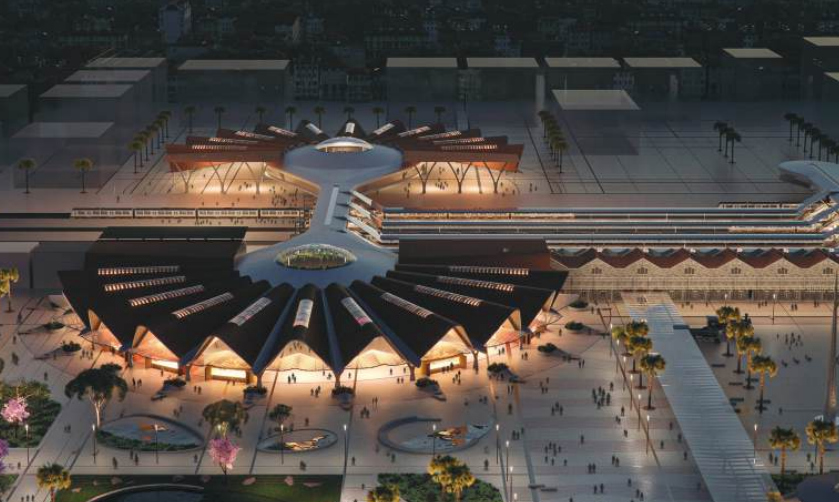
What the Railway City Will Include
The Nairobi Railway City will feature a mix of residential, commercial, and transport infrastructure designed to support a modern urban lifestyle.
Key components include:
- A new Central Station handling up to 600,000 passengers daily by 2045
- 10,000 housing units across income levels
- Office spaces, retail outlets, and hotels
- Student housing for 2,500 learners
- Cultural, innovation, and research hubs
The development is expected to generate at least 5,000 jobs during construction and another 5,000 once operational.
Six Key Precincts
The project is organised into six functional zones, including:
- A business and conference hub (MICE Core)
- A commercial growth zone (Central Station Back)
- Affordable and mixed housing areas
- Innovation and cultural centres
- A multi-modal transport hub
- An inclusive market district
Together, these zones aim to create a self-sustaining urban ecosystem.
Transport at the Core
Transport integration is central to the project, combining commuter rail, Bus Rapid Transit (BRT), and non-motorised transport systems like walkways and cycling paths.
Major BRT lines, including Line 3 and Line 4, will link different parts of the city, easing traffic congestion that has long plagued Nairobi.
A Sustainable Urban Model
Beyond infrastructure, the Railway City is designed with sustainability in mind. Plans include green spaces, low-carbon buildings, and climate-resilient systems.
The goal is to create not just a business hub, but a livable, environmentally friendly city within a city.
Timeline and Investment
Construction of the new Central Station is expected to be completed by 2027, with preparatory works already funded by the government.
The broader project is supported by global financiers such as the World Bank Group, African Development Bank, and European Investment Bank, among others.
Read Also:
Kenya Braces for Another Week of Unpredictable Weather Patterns
Boost Your Memory: How Exercise Supercharges Your Brain
Majembe’s Big Win Shakes Up the Arena Against Mbavu!

