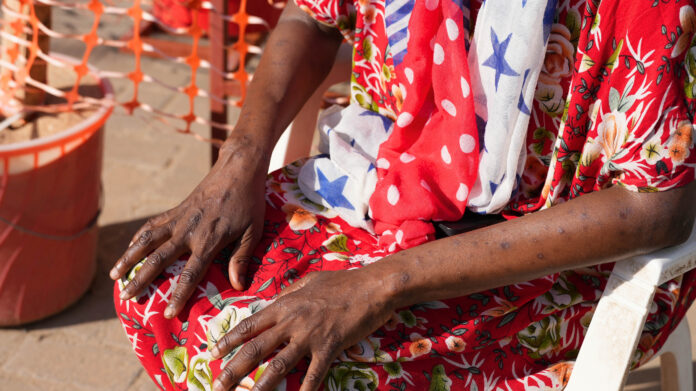
Mpox is no longer confined to isolated cases or specific groups,it’s now knocking on the doors of everyday Kenyans. As infections rise across the country, health experts are sounding the alarm: dangerous myths and misinformation are accelerating the spread, especially in urban hotspots like Nairobi.
Highlights:
- Mpox cases have surged across more than 20 counties in Kenya
- The virus is spreading through everyday close contact, not specific groups
- Common myths are delaying treatment and increasing infections
- Early symptoms can appear before the tell-tale rash
- Experts urge awareness, hygiene, and quick medical response
Main Story
Mpox Moves Beyond High-Risk Groups
What began as a limited outbreak has now evolved into a wider public health concern. Kenya has recorded a sharp rise in Mpox infections, with hundreds of confirmed cases spreading across multiple counties.
Initially associated with specific transmission networks, the virus is now affecting people in routine, everyday settings. This shift means that anyone can be exposed,not just those previously considered at higher risk.
Debunking Dangerous Myths
It Doesn’t Target Specific People
One of the most persistent misconceptions is that Mpox only affects certain groups. In reality, the virus spreads through close physical contact, making everyone vulnerable regardless of lifestyle or identity.
Not Just a Sexually Transmitted Infection
Although Mpox can spread during intimate contact, it is not limited to sexual transmission. Simple actions like sharing bedding, clothing, or prolonged skin contact can also pass the virus from one person to another.
Human Transmission Is Driving the Outbreak
While Mpox can originate from animals, the current outbreak is largely fueled by human-to-human transmission. This makes everyday interactions a key factor in its spread.
It Can Be Serious
Many people assume Mpox is mild, but that’s not always the case. While most recover, severe complications can occur, especially for individuals with weakened immune systems or underlying health conditions. Kenya has already recorded fatalities linked to the virus.
Symptoms Don’t Always Start With a Rash
Another risky assumption is that no rash means no infection. In truth, early symptoms often include fever, headaches, and muscle pain. The rash may appear later, allowing the virus to spread unnoticed in its early stages.
Why Misinformation Is Making Things Worse
False beliefs around Mpox are doing more harm than many realize. People are delaying seeking treatment, continuing close contact when they shouldn’t, and in some cases hiding symptoms due to stigma.
This pattern mirrors past outbreaks where misinformation contributed to faster and wider transmission.
What Kenyans Should Do Now
Health experts are urging the public to take simple but effective precautions:
- Avoid close contact with anyone showing symptoms
- Wash hands regularly and maintain hygiene
- Do not share personal items like clothing or bedding
- Seek medical attention immediately if symptoms appear
A Growing Regional Concern
Mpox is not just a Kenyan issue it’s part of a broader outbreak affecting several African countries. With high population density and mobility in cities like Nairobi, awareness and responsible behavior are key to slowing the spread.
Read Also:
- Ruto appoints Mbadi to head Infrastructure Fund Council
- Tragedy in Crimea: Russian Military Plane Crashes, 29 Dead
- Megan Thee Stallion Rushed to Hospital Mid-Performance on Broadway

