
Ice baths have gone from elite athlete recovery tools to a full-blown wellness trend, with influencers and fitness enthusiasts swearing by the cold plunge. But beyond the hype, what really happens when you dip into freezing water, and is it actually good for you?
Highlights:
- Ice baths are popular for muscle recovery and reducing soreness
- Cold exposure may boost circulation and mental resilience
- Risks include shock, hypothermia, and heart strain
- Not suitable for everyone, especially those with health conditions
- Moderation and proper technique are key
Main Story:
What Exactly Is an Ice Bath?
An ice bath, also known as cold water immersion, involves submerging your body in very cold water (typically 10–15°C) for a short period, usually between 5 to 15 minutes. Athletes have used this method for years to recover after intense training sessions.
Now, it’s gaining traction among everyday people looking to boost recovery, improve mood, or simply test their limits.
The Claimed Benefits
One of the biggest reasons people take ice baths is to reduce muscle soreness after workouts. Cold temperatures constrict blood vessels, which may help decrease inflammation and speed up recovery.
There’s also growing interest in how cold exposure can improve mental toughness. Sitting in freezing water forces your body and mind to adapt quickly, which some say builds resilience and reduces stress over time.
Some enthusiasts even claim improved sleep, better circulation, and boosted energy levels.

The Risks You Shouldn’t Ignore
While the benefits sound appealing, ice baths are not without risks. Sudden exposure to cold water can trigger a shock response; rapid breathing, increased heart rate, and a spike in blood pressure.
For people with heart conditions, this can be dangerous. Staying in cold water too long can also lead to hypothermia, where the body loses heat faster than it can produce it.
Even healthy individuals can experience dizziness or numbness if they overdo it.
Who Should Avoid Ice Baths?
Ice baths are not recommended for everyone. People with cardiovascular issues, respiratory problems, or certain chronic conditions should consult a medical professional before trying them.
Beginners are advised to start slow, short durations, slightly warmer temperatures and gradually build tolerance.
Doing It Safely
If you’re curious about trying ice baths, safety should come first. Experts recommend limiting sessions to under 10 minutes and ensuring you’re not alone, especially when starting out.
Listening to your body is key, if you feel extreme discomfort, it’s time to get out.
Hype vs Reality
While ice baths can be beneficial, they’re not a magic solution. Consistent exercise, proper nutrition, and rest still play a bigger role in overall health and recovery.
The cold plunge might give you an edge, but it’s not a shortcut.
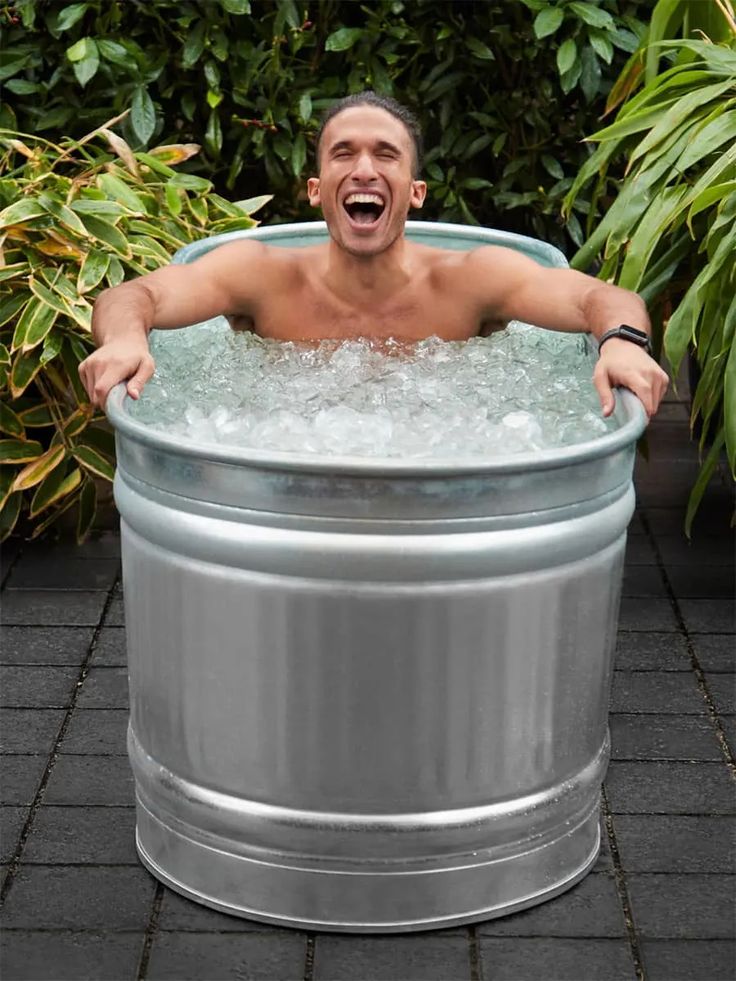
Before you jump into the cold, ask yourself, is it a smart recovery move, or just another trend you’re chasing?
Read Also:
- High-Protein Foods That Keep You Full While Staying in a Calorie Deficit
- Struggling With Breakouts? These Easy Skin Tips Can Help

