
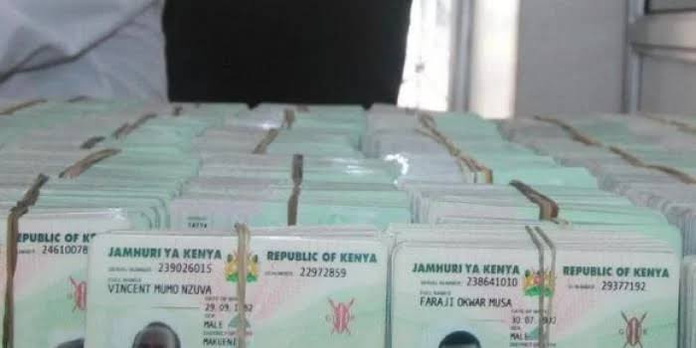
For many Kenyan farmers, a national identity card is more than just an identification document it is a gateway to essential services, agricultural support and financial opportunities. Fredrick Okumu Joseph, a farmer from Marindi Centre, says having an ID can make the difference between accessing fertiliser, receiving payments and securing credit or employment. His message comes as the government intensifies grassroots registration efforts aimed at bringing essential services closer to communities.
Highlights
- Farmers say a national ID is essential for accessing fertiliser, agricultural support and payments.
- Fredrick Okumu Joseph has urged Kenyans who do not have IDs to register.
- Sugarcane farmers require identification during cane delivery, farm contracting and payment processes.
- The Internal Security Department has intensified registration drives, with PS Raymond Omollo backing efforts to reach communities.
- Residents say equal access to government services reflects the principle of Usawa ni Sawa.
Main Story
National ID Opens Doors to Opportunities for Farmers
Having a national identity card can play a significant role in determining how easily Kenyans access essential services and economic opportunities, according to farmers highlighting the importance of registration.
Fredrick Okumu Joseph, a farmer from Marindi Centre, says an ID is necessary for people seeking agricultural assistance, including fertiliser, seeds and other forms of government support.
He also points out that identification documents can be important when applying for loans, accessing financial services or seeking employment.
For him, the message is straightforward: Kenyans who have not registered for national IDs should take advantage of available registration services to avoid missing out on opportunities.
Why Sugarcane Farmers Need Their IDs
For sugarcane farmers, the importance of identification extends across several stages of the farming and payment process.
Farmers explain that they may be required to present their national IDs when entering into cane-growing contracts, delivering harvested sugarcane to factories and receiving payments for their produce.
Identification is also important when collecting fertiliser from designated warehouses, particularly for farmers accessing agricultural inputs through organised support programmes.
Without the required documentation, farmers may encounter difficulties completing transactions or accessing services linked to their farming activities.
The farmers’ experiences underline the role of national identification in connecting agricultural producers to formal systems that support production, distribution and payment.
Government Takes ID Registration Services to Villages
The Internal Security Department has intensified national ID registration outreach, with teams travelling to villages to help residents access the service closer to home.
Principal Secretary for Internal Security Dr Raymond Omollo has been credited with championing efforts to increase registration and extend services to communities that might otherwise face challenges reaching registration centres.
Taking registration services directly to residents can help reduce travel costs and other barriers, particularly for people living in remote areas.
The approach also supports efforts to ensure that eligible Kenyans can obtain the documents needed to interact with government institutions and access services.
Residents Point to Wider Government Support
Residents say the push to improve access to identification is taking place alongside the distribution of fertiliser and the delivery of other government services in different parts of the country.
They cite areas including Ndhiwa, Kericho, the Mount Kenya region and the Coast as examples of communities where government programmes are being implemented.
For residents, the significance lies in ensuring that services reach people across different regions rather than being concentrated in a few locations.
They believe that improving access to identification, agricultural inputs and other public services can help more Kenyans participate in economic activities and benefit from available government programmes.
‘Usawa ni Sawa’ and Equal Access to Services
The experiences shared by farmers and residents reflect the principle of Usawa ni Sawa — the idea that Kenyans should have equal opportunities to access government services regardless of where they live.
For communities that depend on farming, access to identification and agricultural support can influence their ability to earn an income, manage production costs and plan for the future.
Residents say fairness means ensuring that no region is overlooked and that people can access essential services without unnecessary barriers.
As grassroots registration efforts continue, the message from farmers remains clear: obtaining a national ID is an important step towards accessing services and opportunities that can support livelihoods.
For farmers working to grow their livelihoods, a national ID can be an important first step towards accessing support, securing payments and pursuing new opportunities. The bigger question is how effectively these services can reach every eligible Kenyan, wherever they live.

