
Former Deputy President Rigathi Gachagua, former Nairobi Governor Mike Sonko and former Meru Governor Kawira Mwangaza could still have an opportunity to contest in the 2027 General Election despite their impeachment battles.
The Independent Electoral and Boundaries Commission (IEBC) has clarified that individuals challenging decisions affecting their eligibility through recognised legal channels may not automatically be disqualified while their appeals or review applications remain active.
HIGHLIGHTS
- IEBC says pending appeals or review applications could protect candidates from automatic disqualification.
- The Commission cited Articles 99(3) and 193(3) of the Constitution.
- Rigathi Gachagua has maintained his intention to run for president in 2027.
- Mike Sonko’s previous attempt to contest the Mombasa gubernatorial seat was overturned by the Supreme Court.
- Former Meru Governor Kawira Mwangaza is also among the leaders affected by the eligibility debate.
MAIN STORY
IEBC Explains Eligibility Rules for Impeached Leaders
The possibility of impeached politicians returning to elective politics has gained fresh attention following an explanation by the electoral commission on constitutional provisions governing candidate eligibility.
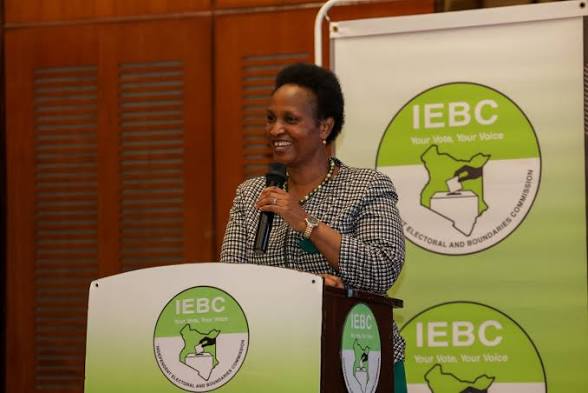
Speaking during a strategic engagement with political journalists on Tuesday, November 24, IEBC Director of Legal Affairs Chrispine Owiye explained that individuals facing disqualification could remain eligible to contest elections if they are actively pursuing recognised appeals or review applications.
According to Owiye, the existence of an adverse decision does not necessarily mean that a prospective candidate is immediately disqualified, particularly where legal avenues for challenging that decision have not been exhausted.
He explained that the same principle could apply even to individuals who have been convicted of criminal offences, provided they can demonstrate that they are pursuing an appeal or review.
What the Constitution Says
The IEBC based its explanation on Article 99(3) of the Constitution, which addresses the circumstances under which individuals can be disqualified from election to Parliament.
The provision protects individuals from disqualification under the relevant grounds until all available opportunities to appeal or seek a review of the decision have been exhausted.
Article 193(3) contains a similar safeguard concerning eligibility for election to county assemblies.
The interpretation has brought renewed attention to the legal circumstances surrounding several former government officials who were removed from office through impeachment.
However, the clarification does not amount to automatic clearance for every impeached politician. Their eligibility will depend on the applicable constitutional provisions and the status of their individual legal proceedings.
Gachagua’s 2027 Presidential Ambitions
Former Deputy President Rigathi Gachagua is among the prominent figures whose political plans could be affected by the IEBC’s interpretation.
Gachagua was removed from office in October 2024 following impeachment proceedings in the Senate. The High Court subsequently upheld his removal, prompting further legal challenges.
Despite the legal battle, Gachagua has continued expressing his intention to contest the presidency in the 2027 General Election.
The IEBC’s latest explanation has therefore brought additional focus to his ongoing court proceedings and whether they could affect his eligibility when candidates are cleared for the next election.
His case is particularly significant because the presidential contest requires candidates to satisfy constitutional eligibility requirements before their names can appear on the ballot.
Mike Sonko’s Previous Election Battle
Former Nairobi Governor Mike Sonko also features prominently in discussions surrounding the eligibility of impeached leaders.
Sonko was removed from office in December 2020 and later sought to contest the Mombasa gubernatorial seat during the 2022 General Election.
He initially obtained a favourable court decision that allowed his candidature to proceed while his impeachment challenge was being pursued.
However, the Supreme Court overturned that position on July 15, 2022, upholding his removal from office.
Sonko has since pursued further legal avenues concerning the process through which he was impeached, including proceedings before the East African Court of Justice in Tanzania.
His situation illustrates the legal complexities surrounding impeachment and the extent to which ongoing court proceedings can influence a politician’s eligibility to seek another elective position.
Kawira Mwangaza Also in the Spotlight
Former Meru Governor Kawira Mwangaza is another politician whose political future has been brought into the discussion.
Her removal through impeachment has raised questions about whether she could pursue another elective position under the constitutional safeguards highlighted by the electoral commission.
The IEBC’s explanation provides a general framework for considering such cases, although each individual’s circumstances must be examined separately.
The wider question of how impeachment affects future electoral eligibility has also attracted judicial attention, with proceedings seeking clarity on the constitutional provisions governing leaders removed from office.
What This Means Ahead of the 2027 Elections
With the next General Election approaching, the interpretation could become an important consideration as political aspirants prepare their campaigns and seek clearance from the electoral commission.
The distinction between an impeachment decision and the legal process challenging that decision will be particularly important.
For Gachagua, Sonko, Mwangaza and other affected politicians, the status of their respective cases could determine whether they meet the requirements to contest.
Ultimately, the IEBC’s clarification provides guidance on how pending legal challenges may affect eligibility, but it does not settle the individual cases or guarantee anyone a place on the 2027 ballot.
As Kenya prepares for another election cycle, the relationship between constitutional rights, judicial decisions and political participation is likely to remain a major subject of public debate.

