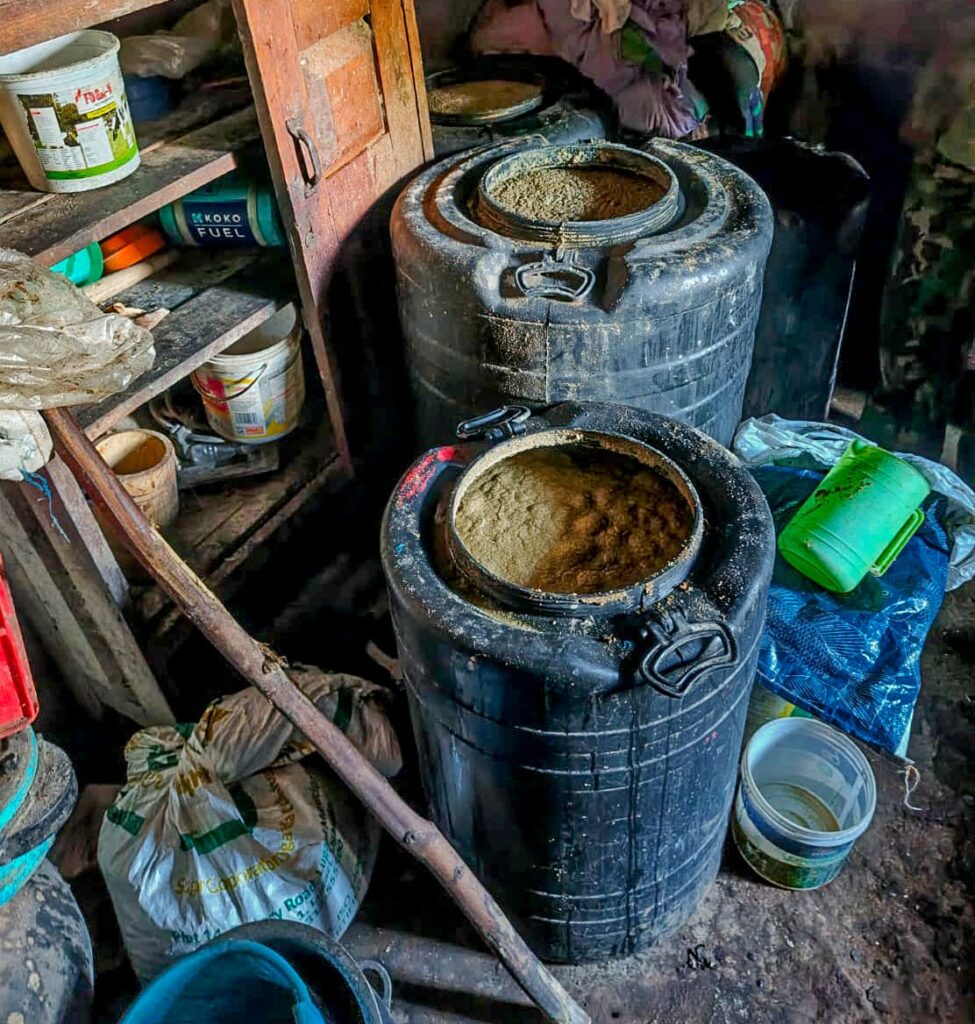
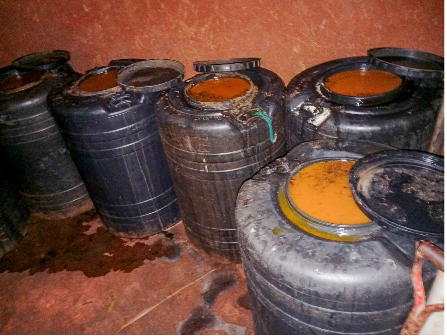
The government has arrested more than 3,300 people and seized over 675,000 litres of illicit alcohol since President William Ruto ordered an intensified crackdown on substance abuse in January, Interior Cabinet Secretary Kipchumba Murkomen has said.
Murkomen says the government is now taking the fight a step further by targeting the wealth, premises and infrastructure allegedly used to support the illegal trade.
Highlights
- 3,331 people have been arrested in the crackdown.
- 675,505 litres of illicit alcohol have been seized.
- More than 385,000 litres of the seized alcohol have been destroyed.
- The government plans to target assets linked to illegal trade.
- Rehabilitation centres are planned across all 47 counties.
Main Story
Government Steps Up Illicit Alcohol Crackdown
The government has intensified its campaign against illicit alcohol and drug trafficking, with thousands of arrests and hundreds of thousands of litres of illegal alcohol seized since January.
Interior Cabinet Secretary Kipchumba Murkomen disclosed the figures during the destruction of methamphetamine in Bamburi.
According to Murkomen, 3,331 people have been arrested over alleged involvement in the manufacture, distribution, sale and consumption of illicit alcohol.
Authorities have also seized 675,505 litres of illicit alcohol, with 385,875 litres already destroyed.
State to Target Criminal Assets
Murkomen said the government’s strategy will now go beyond confiscating illegal substances.
The state intends to pursue property and infrastructure allegedly acquired through or used to facilitate drug trafficking and the illicit alcohol business.
The CS said such assets could be frozen and eventually forfeited to the government if investigations establish that they are proceeds or instruments of crime.
The recovered assets, he added, are expected to support programmes focused on preventing substance abuse, rehabilitation and treatment.
Premises and Factories Under Watch
Murkomen warned that property owners and operators whose premises are allegedly used to facilitate illegal alcohol or drug activities could also face action.
He said the government would target buildings used to store illicit alcohol, as well as land and industrial facilities allegedly involved in the production or storage of illegal substances.
He cited a factory in Kajago that he said was allegedly connected to methamphetamine-related activities, arguing that enforcement should extend to both the facility and the land on which it operates.
Rehabilitation to Be Expanded
While promising tougher enforcement, Murkomen said the government would also increase support for people affected by substance abuse.
He said President Ruto had directed the establishment of rehabilitation centres in all 47 counties through partnerships involving county governments and the National Authority for the Campaign Against Alcohol and Drug Abuse.
The Social Health Authority is also expected to expand treatment coverage for people dealing with substance-use problems.
Murkomen said the government’s approach would therefore combine enforcement with rehabilitation and medical support.
Officials Warned Against Collusion
The Interior CS also issued a warning to government officials accused of working with drug traffickers or illicit alcohol networks.
He said officials found facilitating the illegal trade would face disciplinary action and prosecution.
The warning comes as the government seeks to disrupt not only the supply of illegal substances but also the networks and financial structures that allegedly keep the trade running.
The latest strategy signals a broader approach to the crackdown, with authorities seeking to hit both the illegal products and the infrastructure and profits behind their distribution.
The government is sending a clear message: the fight against illicit substances will increasingly target not just what is sold, but the money, property and networks that keep the trade alive.