
Kenyan motorists have received a brief reprieve at the pump after the Energy and Petroleum Regulatory Authority (EPRA) left petrol, diesel and kerosene prices unchanged for the latest pricing cycle. The rates take effect on Tuesday, September 15, and will remain in place until October 15, with motorists in northern Kenya continuing to face the highest costs.
Highlights
- EPRA has maintained the existing petrol, diesel and kerosene prices.
- The new prices will apply from September 15 to October 15.
- Mombasa has the lowest maximum pump prices in the country.
- Mandera records the highest prices under the latest schedule.
- Transport costs from the Coast continue to influence regional price differences.
Main Story
No Change at the Pump
Motorists across Kenya will not see a change in the maximum prices of petrol, diesel and kerosene for the next month.
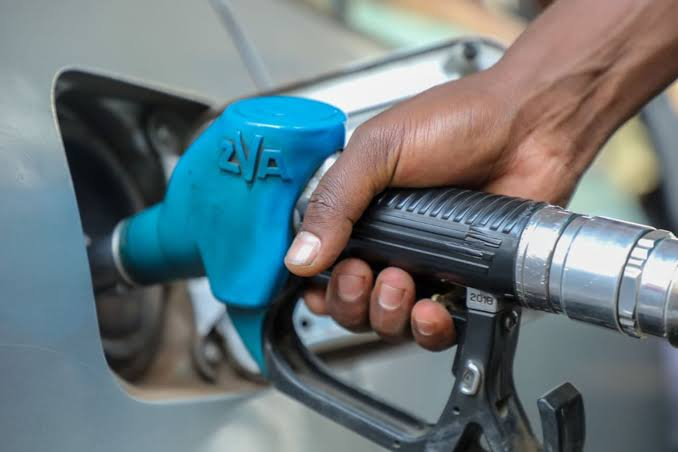
EPRA’s latest pricing schedule, effective from Tuesday, September 15, maintains the rates from the previous cycle. The prices will remain applicable until October 15.
In Nairobi, Super Petrol will retail at a maximum of Sh214.03 per litre, while diesel will cost Sh217.86 and kerosene Sh191.38.
Mombasa Records Lowest Prices
As is often the case, motorists in Mombasa will enjoy some of the country’s lowest pump prices because of the city’s proximity to the main petroleum importation point.
A litre of Super Petrol will cost a maximum of Sh210.87, while diesel will retail at Sh214.58 and kerosene at Sh188.09.
In Nakuru, the maximum prices stand at Sh212.92 for petrol, Sh217.27 for diesel and Sh190.81 for kerosene.
Eldoret motorists will pay up to Sh213.69 for petrol, Sh218.09 for diesel and Sh191.63 for kerosene.
Kisumu has the same petrol and kerosene rates as Eldoret, at Sh213.69 and Sh191.63, respectively, while diesel will cost Sh218.08.
Prices Across Central and Western Kenya
In Kakamega, Super Petrol will retail at a maximum of Sh213.43, diesel at Sh217.80 and kerosene at Sh191.35 per litre.
Kisii records slightly higher rates, with petrol at Sh214.77, diesel at Sh219.24 and kerosene at Sh192.78.
Motorists in Kericho will pay Sh214.16 for petrol, Sh218.60 for diesel and Sh192.14 for kerosene.
Further into Central Kenya, Nyeri has maximum prices of Sh215.90 for petrol, Sh219.87 for diesel and Sh193.38 for kerosene.
Meru is among the more expensive towns in this section of the country, with petrol at Sh218.67, diesel at Sh222.85 and kerosene at Sh196.35.
In Machakos, the rates stand at Sh214.07 for petrol, Sh217.91 for diesel and Sh191.41 for kerosene, while Thika motorists will pay Sh213.70, Sh217.50 and Sh191.02, respectively.
Murang’a has maximum prices of Sh214.53 for petrol, Sh218.39 for diesel and Sh191.91 for kerosene.
Northern Kenya Pays More
The biggest price differences appear in northern Kenya, where the longer distance from the Coast adds to the cost of transporting petroleum products.
In Garissa, petrol will cost up to Sh220.40 per litre, while diesel will retail at Sh224.70 and kerosene at Sh198.21.
Wajir has even higher rates, with motorists paying up to Sh228.60 for petrol, Sh233.51 for diesel and Sh207.03 for kerosene.
Mandera remains at the top of the pricing table.
The maximum price for petrol there is Sh234.68 per litre, while diesel will cost Sh240.04 and kerosene Sh213.56.
Why Prices Differ Across Counties
EPRA attributes the variations between towns largely to transportation expenses.
Petroleum products enter the country through the Coast before being moved to different parts of Kenya. Areas farther from the importation point therefore tend to incur higher distribution costs, which are reflected in pump prices.
For motorists, the unchanged rates mean some stability in fuel expenses over the next month, although prices remain significantly higher in some parts of the country than others.
With fuel prices holding steady for another month, the bigger question for many Kenyans remains: how much longer can household budgets absorb the cost of moving around the country?

