
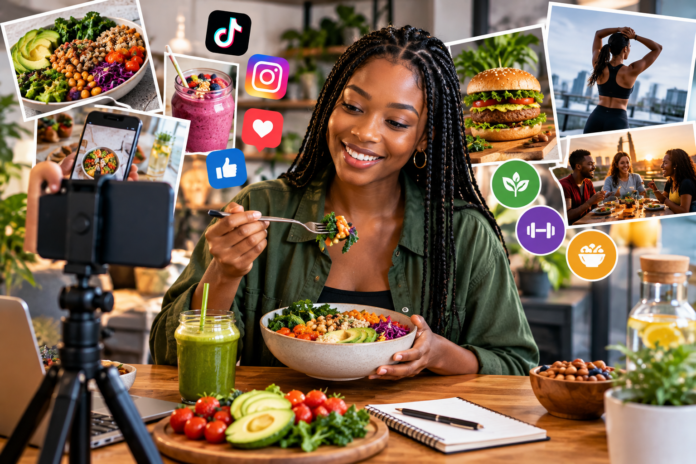
Food is no longer just about satisfying hunger. From viral recipes and wellness-focused diets to plant-based alternatives and colourful café menus, what people eat has increasingly become part of how they express their identity, manage their health and connect with others.
For today’s generation, food trends spreading across social media can influence everything from grocery shopping and restaurant choices to fitness routines, spending habits and social activities.
Highlights
- Social media has accelerated the spread of food trends.
- Health and wellness are influencing what people choose to eat.
- Plant-based and alternative foods are becoming more visible.
- Viral recipes can quickly influence shopping and eating habits.
- Food has become increasingly connected to lifestyle and personal identity.
Main Story
Food Meets Social Media
A recipe can now go viral within hours.
Platforms such as TikTok, Instagram and YouTube have turned food creators into major influencers, with visually appealing meals often attracting millions of views.
People are increasingly discovering new dishes through short videos rather than traditional cookbooks or television programmes.
A simple recipe can move from a creator’s kitchen to dining tables around the world almost instantly.
This has also changed how restaurants and food businesses market themselves. A meal that looks impressive on camera can attract customers eager to recreate the experience for themselves.
The Rise of Wellness-Focused Eating
Health and wellness have become major influences on modern eating habits.
More consumers are paying attention to ingredients, portion sizes, protein content and the nutritional value of their meals.
This has contributed to the popularity of foods associated with healthier lifestyles, including smoothies, whole grains, fresh vegetables, high-protein meals and minimally processed ingredients.
For many young people, eating well is increasingly connected to other lifestyle choices such as exercise, sleep and mental wellbeing.
Plant-Based Choices Gain Attention
Plant-based eating has also become more prominent.
Some people are reducing their consumption of meat and dairy because of health concerns, environmental considerations or personal preferences.
Others are simply experimenting with plant-based alternatives without completely changing their diets.
Restaurants and supermarkets have responded by offering more options, making it easier for consumers to explore different eating styles.
Convenience Still Matters
While wellness is influencing food choices, convenience remains a powerful factor.
Busy lifestyles have increased demand for quick meals, food delivery, ready-to-eat products and easy recipes that can be prepared with minimal time and effort.
This has created an interesting balance: consumers often want food that is convenient while still being affordable, nutritious and visually appealing.
Meal-preparation videos and simple one-pot recipes have benefited from this demand.
Food as a Form of Identity
What someone eats can also communicate something about who they are.
Veganism, vegetarianism, fitness-focused diets and interest in traditional cuisines can become part of a person’s lifestyle and identity.
Food choices are also influenced by culture and community. People can use meals to celebrate their heritage, introduce friends to traditional dishes or explore cuisines from different parts of the world.
For young Africans, this has created opportunities to combine traditional foods with modern cooking styles and presentation.
The Cost of Keeping Up
Not every food trend is accessible to everyone.
Some popular ingredients, speciality drinks and wellness products can be expensive, particularly when they are promoted as lifestyle essentials.
The pressure to try every viral food can also encourage unnecessary spending.
This is why consumers are increasingly learning to distinguish between genuine nutritional value and trends driven mainly by social media popularity.
Trends Can Influence More Than Meals
Food trends can shape routines beyond the kitchen.
A person who becomes interested in high-protein meals may also start exercising more regularly. Someone exploring healthier cooking may spend more time shopping for fresh ingredients. Others may discover new restaurants or build social activities around trying popular dishes.
In this way, food trends can influence how people spend their time, money and social energy.
Finding a Healthy Balance
Food trends can introduce people to new ingredients, cultures and healthier habits. However, following every trend is not necessarily beneficial.
The most sustainable approach is to consider individual nutritional needs, budget, culture and lifestyle rather than simply copying what is popular online.
Trends come and go, but balanced eating habits are more likely to have a lasting impact.
The next big food trend may begin with a single viral video, but the real influence is seen in how it changes what people buy, cook, share and ultimately choose to put on their plates.

