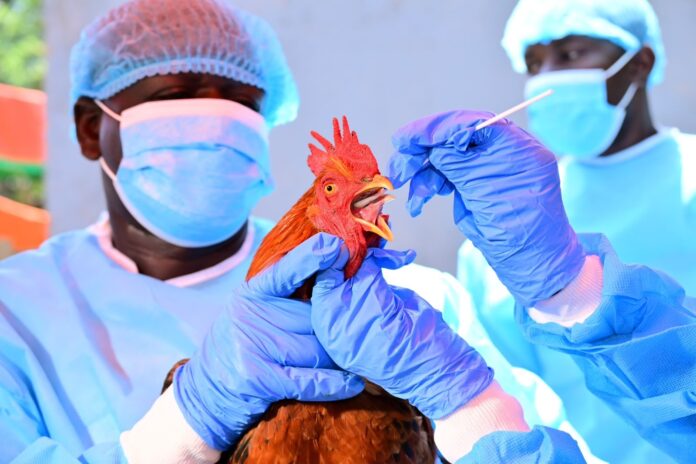
Kenya has stepped up its preparedness against zoonotic diseases with the launch of new biosafety guidelines for live bird markets and an upgraded digital animal disease surveillance system. The initiatives, developed with support from the United States Government through the US Centers for Disease Control and Prevention (CDC), are designed to help authorities detect, track and respond to disease threats before they spread between animals and people.
Highlights
- Kenya and the US have launched two new biosecurity and disease surveillance tools.
- KABS 2.0 will provide near-real-time animal health data across all 47 counties.
- New guidelines target disease risks across Kenya’s poultry value chain.
- The initiatives strengthen Kenya’s One Health approach to disease prevention.
- Authorities hope faster detection will help contain emerging health threats.
Main Story
Kenya Strengthens Its Disease Surveillance System
Kenya has launched two new initiatives aimed at improving the country’s ability to detect and respond to diseases that can move between animals and humans.
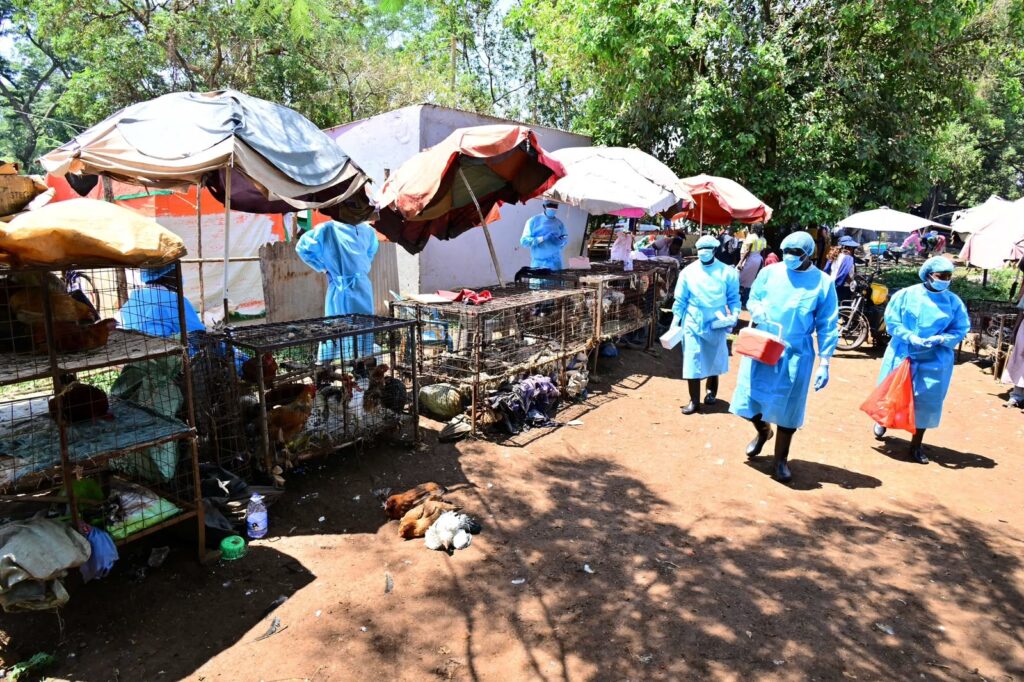
The Government of Kenya, working with the US Government through the CDC, unveiled the Biosafety and Biosecurity Guidelines for Live Bird Markets alongside the upgraded Kenya Animal Biosurveillance System, known as KABS 2.0.
The two initiatives are intended to strengthen early warning systems while improving the country’s ability to respond to emerging infectious diseases.
KABS 2.0 Brings Animal Health Data Online
The upgraded KABS platform will allow animal disease information to be collected and reported digitally across Kenya’s 47 counties.
The system also incorporates laboratory results, giving veterinary authorities access to more comprehensive information when investigating possible disease outbreaks.
According to Director of Veterinary Services Dr Allan Azegele, the upgraded platform improves digital reporting, data management, analysis and visualisation.
The system is also expected to help national and county authorities generate animal health intelligence faster and use it to guide disease control measures.
New Rules for Live Bird Markets
The second initiative focuses on biosafety and biosecurity practices in live bird markets.
The guidelines provide practical measures designed to reduce the chances of avian influenza and other infectious diseases entering or spreading through Kenya’s poultry industry.
The measures cover different stages of the poultry value chain, including farms, transportation and live bird markets.
This is particularly important because close contact between animals, traders and consumers can create opportunities for infectious diseases to spread.
Why Early Detection Matters
The new tools come at a time when avian influenza and other emerging infections continue to pose challenges globally.
Health authorities increasingly emphasise early detection because identifying a disease at its source can give officials more time to contain it before it becomes a wider public health problem.
CDC Kenya Influenza Division Director Dr Gideon Emukule said detecting and controlling disease threats early remains one of the strongest defences against future public health emergencies.
The approach also protects livelihoods, particularly those of farmers and people whose income depends on the livestock and poultry sectors.
A One Health Approach
The initiatives are part of Kenya’s broader One Health strategy, which recognises the connection between human, animal and environmental health.
The concept is based on the understanding that diseases affecting animals can sometimes cross into human populations.
Strengthening veterinary surveillance therefore becomes an important part of protecting communities.
With KABS 2.0 providing faster animal health information and the new guidelines improving disease prevention practices, authorities hope to create stronger links between detection, reporting and response.
Kenya-US Health Partnership
The launch also highlights ongoing health cooperation between Kenya and the United States.
The US provided technical and financial assistance towards both initiatives, supporting Kenya’s efforts to improve disease preparedness and health security.
The partnership is expected to continue supporting measures aimed at identifying emerging threats and strengthening response systems.
Building a Faster Response
For Kenya, the goal is to move from reacting to outbreaks after they have already spread towards identifying potential threats much earlier.
Digital reporting can allow information from counties and laboratories to reach decision-makers more quickly, while improved biosecurity practices can reduce the likelihood of infections spreading through high-risk points such as live bird markets.
Together, the initiatives are expected to strengthen Kenya’s ability to respond to animal disease threats while reducing the potential impact on people.
Part of a Wider Health Security Push
The latest development comes as Kenya continues strengthening disease surveillance and preparedness.
Earlier this month, Kenya designated four laboratories to handle Ebola testing while authorities intensified surveillance at borders and other high-risk locations.
The country has also been expanding its preparedness for other infectious diseases, including Mpox, as health authorities focus on early detection and rapid response.
The latest animal-health initiatives add another layer to that preparedness by focusing on diseases before they potentially cross from animals into human populations.
The earlier a disease threat is spotted, the more time health authorities have to stop it and Kenya’s latest tools are designed to make that early warning system stronger.
More on this topic: How Technology Is Changing the Way Kenyans Manage Their Health. Official information: WHO on zoonoses.

