
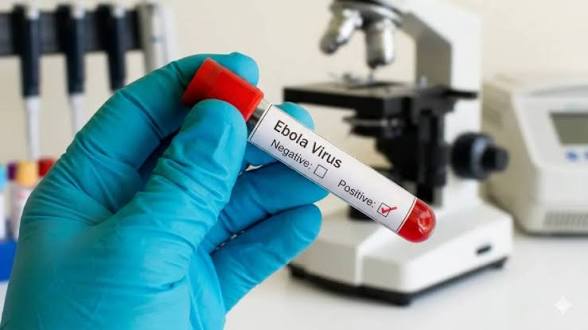
Kenya’s Ebola situation has taken another concerning turn after health authorities confirmed an additional infection on Sunday, October 18, bringing the country’s total number of confirmed cases to eight. The Ministry of Health says surveillance, testing and contact tracing efforts are being intensified as officials work to prevent further transmission.
Highlights
- Kenya’s confirmed Ebola infections have increased to eight following the latest positive test.
- The newest patient is a 49-year-old man who is not a healthcare worker.
- The patient reported fever, headache and muscle pain.
- Authorities have strengthened contact tracing, isolation and screening at entry points.
- Members of the public can call the Ministry of Health’s toll-free hotline, 719, for guidance.
Main Story
Kenya Records Eighth Ebola Case
Kenya has confirmed another case of Bundibugyo Ebola virus disease, pushing the national tally to eight as health teams step up measures to control the outbreak.
In its update released on Sunday, October 18, the Ministry of Health reported that 38 people had undergone testing, with one sample returning a positive result. Director-General for Health Dr Patrick Amoth confirmed the latest development.
The newly diagnosed patient is a 49-year-old man who does not work in the healthcare sector. According to the ministry, he experienced fever, headaches and muscle pain.
The latest confirmation comes as authorities continue investigating infections associated with the country’s initial case.
How the Outbreak Began
Kenya reported its first confirmed Bundibugyo Ebola infection on October 6. The patient was a man who had spent seven years in the Democratic Republic of Congo (DRC) before travelling to Nairobi through Uganda.
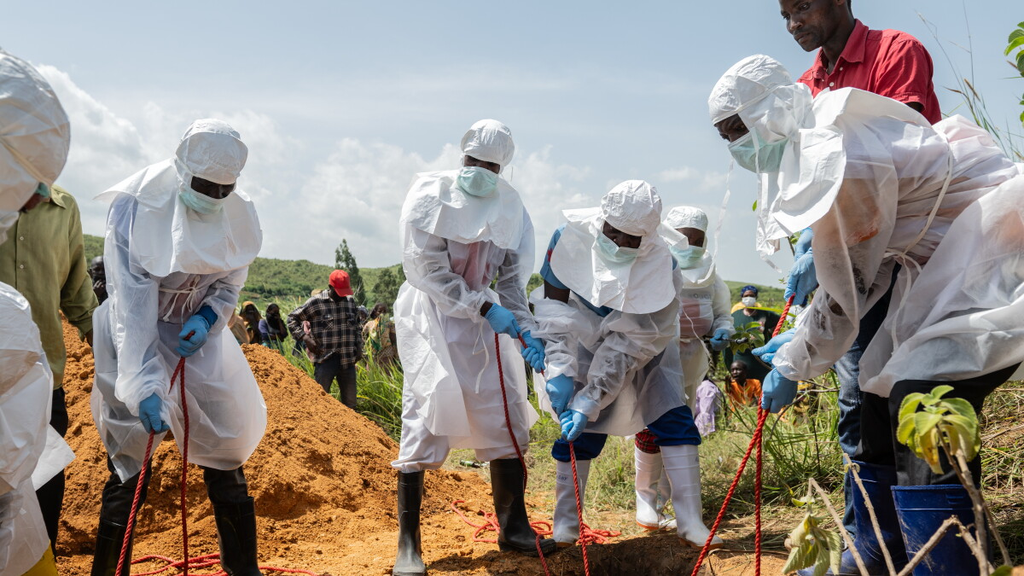
He died on October 5, before the announcement of the confirmed case, and his burial was conducted under strict public health procedures.
Since then, health officials have identified additional infections among individuals linked to the first patient. This has prompted an expanded response involving the identification of exposed individuals, isolation measures and closer monitoring for possible symptoms.
The latest case follows the seven infections reported by October 17, highlighting the importance of continued surveillance as authorities seek to contain the disease.
Health Teams Tighten Surveillance
Authorities have intensified efforts to identify and monitor people who may have come into contact with infected individuals. These measures include contact tracing, isolation and increased screening at key entry points.
Jomo Kenyatta International Airport is among the locations where screening has been strengthened to help detect suspected infections and reduce the risk of further spread.
The response is aimed at identifying cases early and limiting opportunities for the virus to reach more people.
How Ebola Spreads and What Symptoms to Watch For
Ebola is transmitted through direct contact with the blood or other body fluids of an infected person, as well as the body of someone who has died from the disease. It is not spread through the air, according to established public health guidance.
Symptoms can include fever, headaches, muscle pain, weakness, vomiting and diarrhoea. Severe illness can also involve internal or external bleeding.
Anyone experiencing symptoms should seek medical attention promptly and inform healthcare providers about any possible exposure. People should avoid contact with the body fluids of suspected or confirmed cases and follow instructions from health professionals.
Ministry Urges Kenyans to Remain Vigilant
The Ministry of Health is urging Kenyans to stay informed, remain alert to possible symptoms and follow official public health advice as containment efforts continue.
Members of the public seeking information about the outbreak can contact the ministry through its toll-free hotline, 719.
As health teams continue tracing contacts and investigating new infections, timely reporting of suspected symptoms and cooperation with public health officials remain essential in limiting further transmission.
As Kenya works to contain the outbreak, staying informed, reporting symptoms early and following trusted medical guidance could make a crucial difference in protecting communities.

