
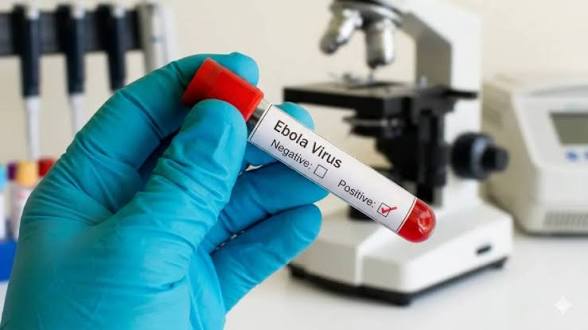
Health Cabinet Secretary Aden Duale has expressed optimism that Kenya could be declared Ebola-free within 42 days, citing progress in contact tracing, testing and containment efforts. The announcement comes after two people died from the disease, with the Ministry of Health maintaining that all confirmed cases remain linked to a known cluster and that there is no evidence of community transmission.
Highlights
- Health CS Aden Duale says Kenya could be Ebola-free after 42 days under World Health Organization (WHO) guidelines.
- A total of 551 people reportedly tested negative in the preceding 48 hours.
- Two Kenyans have died, including a 45-year-old man linked to the imported case and a 65-year-old woman.
- Health officials say the known contacts have been traced and placed under monitoring or quarantine.
- Kenyans have been urged to observe hygiene precautions and seek medical attention if symptoms develop.
Main Story
Duale Gives 42-Day Timeline for Ebola-Free Status
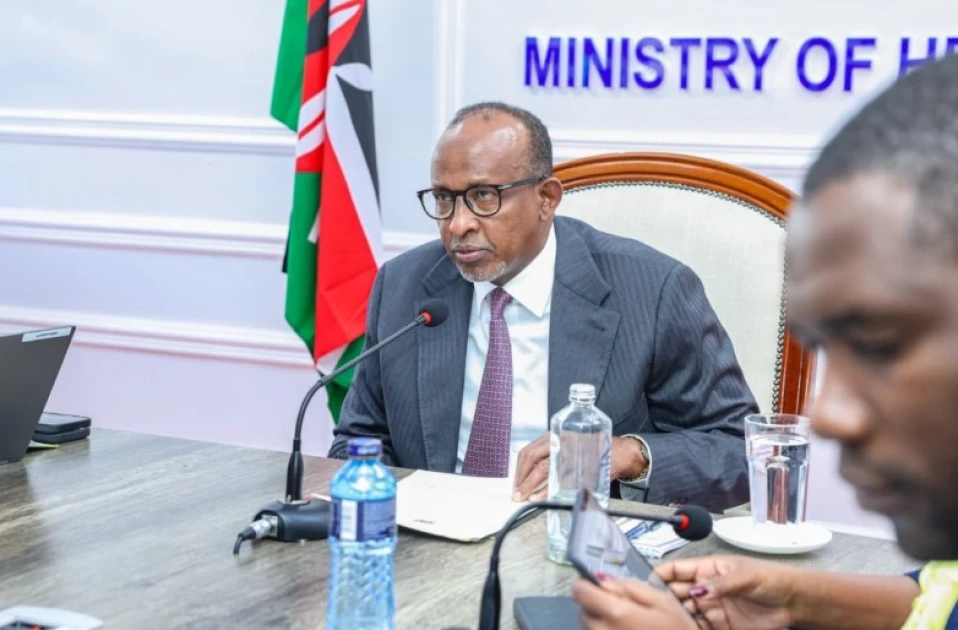
Health Cabinet Secretary Aden Duale has expressed confidence that Kenya could bring its current Ebola outbreak to an end within 42 days, provided containment efforts remain successful.
Speaking during a local tv stations Sunday Live programme, Duale said health authorities had moved quickly to trace contacts linked to the initial case and conduct regular testing to establish whether the virus was spreading.
According to the CS, the 42-day period follows international guidance rather than a timeline independently set by the Kenyan government.
The period is used in Ebola outbreak response to help determine when a country can be declared free of the outbreak, provided there are no new cases and the required surveillance conditions are met.
Duale said the government’s response had focused on identifying exposed individuals, monitoring their health and conducting tests to detect possible infections.
551 People Test Negative in 48 Hours
The Health CS also reported encouraging results from recent testing, saying 551 people had tested negative for Ebola within a 48-hour period.
He added that some individuals who had been placed under quarantine could be allowed to return home after completing the required monitoring period and testing negative.
Duale indicated that approximately 21 people were expected to undergo further testing as health officials assessed whether they could be released from quarantine.
The government has emphasised the importance of continued surveillance, as a negative test result or the absence of symptoms at a particular point does not necessarily eliminate the need for monitoring after exposure.
Two Deaths Reported as Authorities Monitor Contacts
Kenya has recorded two deaths associated with the outbreak, according to the information provided by the Health Ministry.
The fatalities include a 45-year-old man linked to the imported case and a 65-year-old woman who died on October 23.
The first reported case was linked to a person who entered Kenya from the Democratic Republic of Congo on October 3, 2026.
Health authorities have maintained that the confirmed cases remain within a single cluster of known contacts. They have also reported no evidence of community transmission.
This means that, based on the ministry’s current assessment, officials have not identified infections spreading beyond the known chain of contacts. Continued monitoring and testing remain essential to verify that the outbreak is contained.
Kenyans Urged to Observe Ebola Prevention Measures
As health officials continue their response, members of the public have been urged to remain vigilant and follow recommended precautions.
Ebola can spread through direct contact with the blood or other bodily fluids of an infected person, as well as contaminated materials. Contact with the body of someone who has died from Ebola can also pose a significant risk.
The public has therefore been advised to avoid handling the bodies of people who die from suspected illnesses and to leave such situations to trained health professionals.
Other recommended precautions include:
- Washing hands regularly with soap and water.
- Avoiding direct contact with the blood and bodily fluids of anyone suspected of having Ebola.
- Seeking prompt medical assessment if symptoms develop after possible exposure.
- Following instructions issued by public health officials.
Symptoms associated with Ebola can include fever, severe weakness, muscle pain, vomiting, diarrhoea and unexplained bleeding. These symptoms can also occur in other illnesses, so medical assessment is necessary rather than assuming that someone has Ebola.
What Happens Before Kenya Can Be Declared Ebola-Free?
The 42-day period is not an automatic guarantee that the outbreak will end on a specific date. It depends on whether health authorities can confirm that transmission has stopped and that surveillance requirements have been met.
Under WHO guidance, the countdown generally begins after the last person confirmed to have Ebola tests negative following recovery, or after the last confirmed case dies and the body has been safely handled, depending on the circumstances.
The period allows health officials to monitor for any further cases that could emerge from infections that were not previously detected.
For Kenya, continued contact tracing, testing and public cooperation will therefore remain important as authorities work towards ending the outbreak.
While Duale’s assessment offers hope, the final determination will depend on epidemiological evidence and the applicable international criteria.
Kenya’s progress towards containing Ebola offers hope, but the coming weeks will be critical. Until health authorities confirm that the outbreak has ended, vigilance, timely testing and responsible public health practices remain essential.

