
When Ancient Heat Therapy Meets Modern Light: Moxibustion and Photobiomodulation
Wellness medicine is increasingly bringing together traditional practices and modern technology. Two therapies that illustrate this particularly well are moxibustion and photobiomodulation (PBM)very different approaches that can be incorporated into the same supportive wellness session.
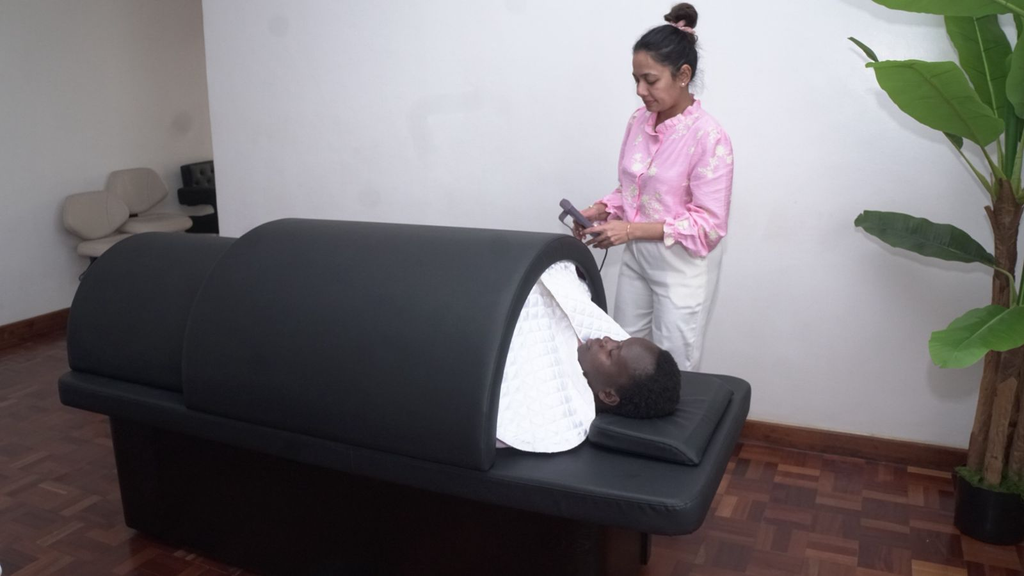
Moxibustion originates from traditional East Asian medicine and involves the controlled application of heat produced by burning moxa, traditionally prepared from mugwort, near selected areas of the body. The resulting warmth is used to promote relaxation and provide symptomatic relief from muscular tension, stiffness and certain forms of discomfort.
Photobiomodulation (PBM) takes an entirely different approach. Often referred to as red or near-infrared light therapy, PBM uses specific wavelengths of non-ionising light that are absorbed by cellular chromophores. Research suggests that this interaction can influence mitochondrial activity, cellular signalling and inflammatory pathways. PBM is being investigated and used across areas including tissue recovery, musculoskeletal rehabilitation, skin health and exercise recovery.
Why combine the two?
Rather than viewing traditional and modern therapies as competitors, they can be used as complementary modalities.
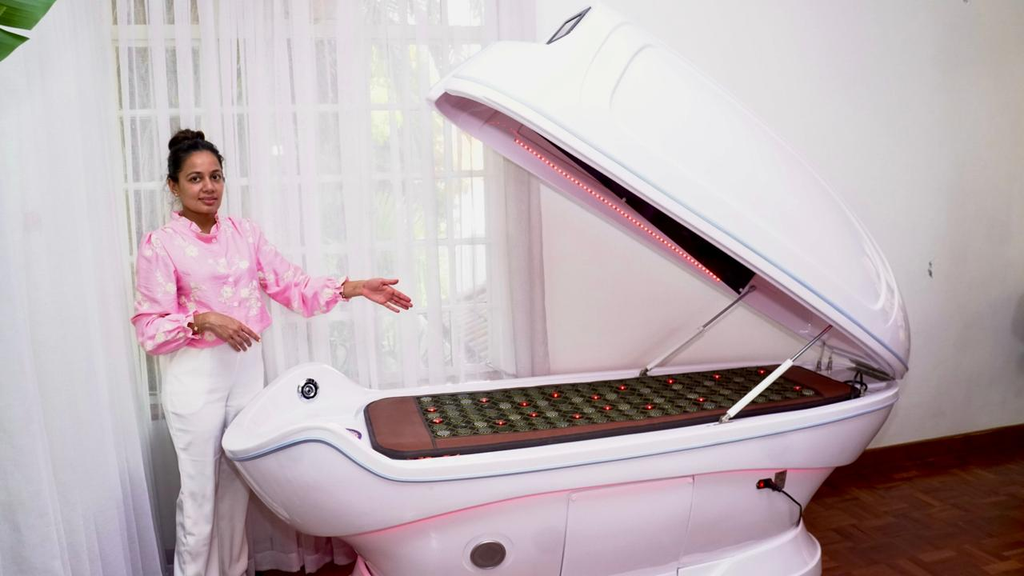
Moxibustion provides targeted warmth and a deeply relaxing sensory experience, while PBM delivers light energy without creating the same thermal effect. A combined session can therefore approach wellness and recovery through two different mechanisms.
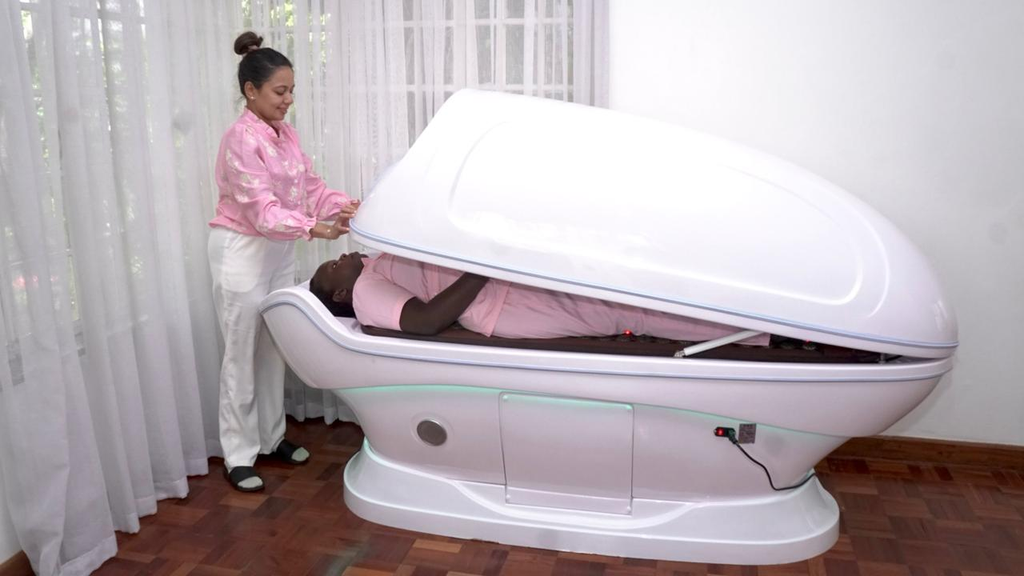
For someone experiencing muscular fatigue or stiffness, for example, moxibustion may be used to provide local warmth and relaxation, followed or accompanied by PBM as a non-invasive adjunct aimed at supporting cellular recovery and tissue function.
Importantly, the combination should not be presented as a cure-all. Evidence for PBM varies depending on the condition, wavelength, dose and treatment protocol, while evidence supporting moxibustion is also stronger for some indications than others. Combining the two does not automatically mean their effects are additive or superior, and more research is required to establish the benefits of specific combined protocols.
The future is integrative
The more interesting direction in modern wellness may not be choosing between traditional therapies and technology, but understanding where each has value and how they can be responsibly integrated.
At Tia Clinics, the philosophy is to combine carefully selected traditional wellness practices with modern non-invasive technologies, while maintaining appropriate medical assessment and realistic expectations.
Moxibustion brings the therapeutic experience of controlled warmth. PBM brings the science of targeted light.
Heat and light. Tradition and technology. Two different approaches, brought together in one modern wellness experience.
Dr. Arshni Jayesh Malde
Tia Clinics, Muthaiga Grove, Nairobi
When prominent global figures turn to traditional therapies like Indian Ayurveda, it highlights a growing global movement toward root-cause recovery. But modern wellness isn’t about choosing ancient systems over technology it is about their integration.
Ancient heat therapies from Ayurvedic herbal steam (Swedana) to Chinese moxibustion use thermal energy to open vascular pathways, boost circulation, and ease muscle tension. Modern Photobiomodulation (PBM) takes a non-thermal approach, using red and near-infrared light (630–850 nm) to directly activate mitochondrial Cytochrome c Oxidase, boosting cellular ATP energy.
Together, heat and light bridge macro-circulation with micro-cellular repair.

