
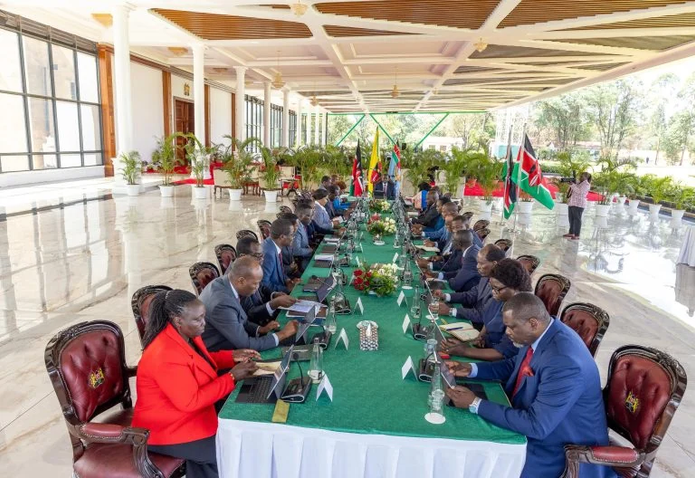
Busia Senator Okiya Omtatah and two other petitioners have suffered a setback in their attempt to stop President William Ruto’s Cabinet from carrying out its duties after the High Court declined to certify their latest application as urgent. The legal challenge seeks to prevent Cabinet Secretaries from exercising executive powers following an earlier judgment that found the Cabinet unconstitutional over its gender composition.
Highlights
- Justice Patricia Nyaundi declined to certify the application as urgent on November 5, 2026.
- Omtatah, Eliud Matindi and Dr Magare Gikenyi are challenging the legality of Ruto’s Cabinet.
- A previous judgment found that the Cabinet violated the constitutional two-thirds gender requirement.
- Respondents have until November 24, 2026, to file their responses.
- The case will return to court on February 10, 2027, for further directions.
Main Story
High Court Declines Urgent Application
The High Court in Milimani has declined an application by Busia Senator Okiya Omtatah and two other petitioners seeking immediate orders to stop President William Ruto’s Cabinet from performing its official duties.
In directions issued on Thursday, November 5, 2026, Justice Patricia Nyaundi ruled that the matter did not meet the threshold for urgent certification.
The petitioners, Eliud Matindi and Dr Magare Gikenyi, had approached the court through a certificate of urgency, asking for conservatory orders that would prevent Cabinet Secretaries from continuing to exercise their executive responsibilities.
However, the judge directed them to serve the petition and notice of motion on all respondents and interested parties by November 9, 2026.
The affected parties will then have 14 days after service to submit their responses, with November 24, 2026, set as the final deadline.
Why Omtatah Is Challenging Ruto’s Cabinet
The latest court action follows a judgment delivered on June 30, 2026, by a three-judge bench comprising Eric Ogola, Stephen Githinji and Jairus Ngaah.
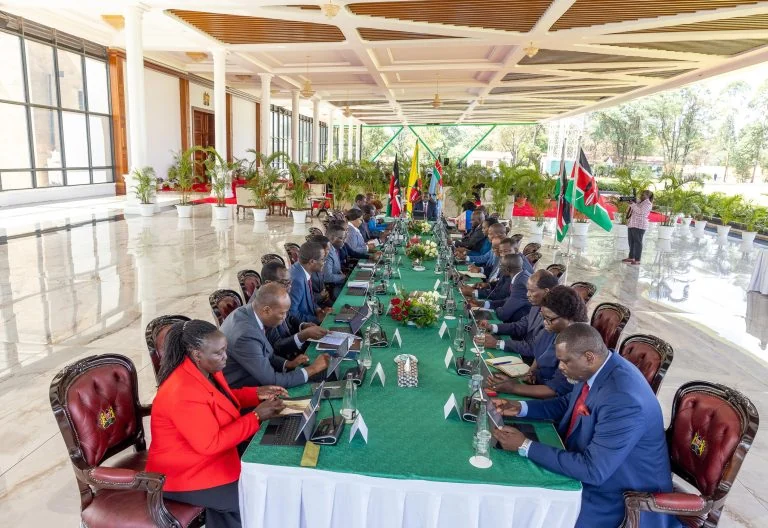
The judges found that the composition of President Ruto’s Cabinet failed to comply with Article 27(8) of the Constitution, which requires that no more than two-thirds of members of elective or appointive bodies be of the same gender.
The ruling gave the government 120 days to address the constitutional violation.
Omtatah and his fellow petitioners have now returned to court following the expiry of the period granted to the State to resolve the issue.
What the Petitioners Want the Court to Stop
Among the orders being sought is a prohibition against Cabinet Secretaries presenting themselves as members of Kenya’s national executive, whether in their official capacities or in their private engagements, while the case is pending.
They also want the court to bar the CSs from exercising powers and responsibilities assigned to Cabinet members under the Constitution, legislation and other applicable legal instruments.
Another major request targets public expenditure.
The petitioners want the Controller of Budget restrained from authorising withdrawals from the Consolidated Fund or other public funds to facilitate payment of salaries, remuneration and benefits to Cabinet Secretaries.
These orders, if granted, could have significant implications for the operations of the national government and the continued service of Cabinet members.
When the Case Returns to Court
Despite declining to grant the matter urgent status, the court has allowed the legal process to proceed through the ordinary timelines.
The matter is scheduled for mention on February 10, 2027, when the court is expected to give further directions.
For now, President Ruto’s Cabinet remains the subject of a legal challenge centred on constitutional representation, gender equality and the limits of executive authority.
As the legal battle unfolds, the bigger question remains: will Kenya’s leadership finally meet the constitutional standards of representation, or will the courts have to intervene again?

