
Controversial preacher Paul Nthenge Mackenzie has been sentenced to 200 years in prison over his role in the horrific Shakahola massacre, which claimed the lives of 191 people, including 190 children. The High Court in Mombasa delivered the sentence on Friday, November 6, 2026, bringing a major development in a case that exposed the devastating consequences of religious extremism in Kenya.
Highlights
- Paul Nthenge Mackenzie has received a 200-year prison sentence.
- The sentence relates to 191 murder counts arising from the Shakahola massacre.
- The victims included 190 children and one adult.
- The killings occurred between January 2021 and September 2023.
- The prosecution had asked the court to impose the death penalty.
Main Story
Paul Mackenzie Handed 200-Year Prison Sentence
Controversial preacher Paul Nthenge Mackenzie will spend 200 years in prison following a ruling by the High Court in Mombasa over the Shakahola massacre.
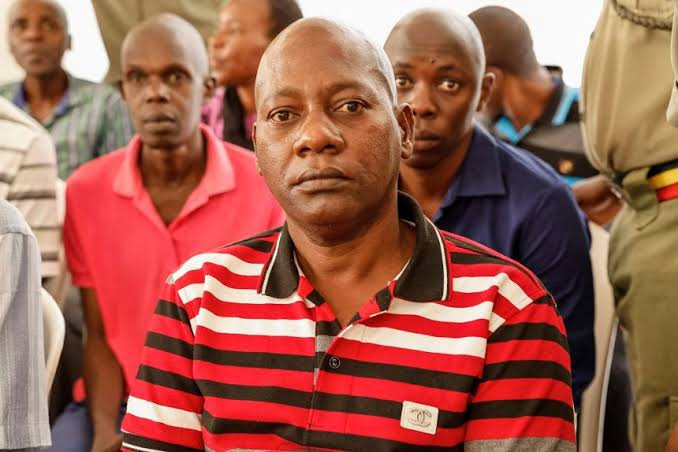
Justice Diana Kavedza delivered the sentence on Friday after Mackenzie was found responsible for 191 counts of murder linked to the deaths recorded at Shakahola Forest in Malindi Sub-County, Kilifi County.
The victims included 190 children, making the case one of the most disturbing episodes of mass deaths associated with religious extremism in Kenya.
The ruling marks a significant development in the lengthy legal proceedings surrounding the tragedy.
DPP Had Sought the Death Penalty
Before sentencing, the Office of the Director of Public Prosecutions (ODPP) had urged the court to impose the death penalty.
Prosecutors argued that the magnitude of the killings, the brutality involved and the circumstances surrounding the deaths justified the harshest punishment available under the law.
The court ultimately handed Mackenzie a 200-year prison term.
Shakahola Massacre: A Dark Chapter in Kenya’s History
The Shakahola tragedy involved deaths at Shakahola Forest in Kilifi County between January 2021 and September 2023.
The discovery of numerous bodies in the forest exposed the scale of the tragedy and triggered widespread public concern over religious practices, the protection of vulnerable followers and the regulation of religious institutions.
The deaths, particularly those involving children, sparked national conversations about accountability and the need to protect people from dangerous religious teachings.
Mackenzie’s sentencing now represents a major milestone in the pursuit of justice for the victims and their families.
The case also leaves a lasting reminder of the importance of safeguarding vulnerable communities from exploitation and abuse carried out under the cover of religion.
The Shakahola tragedy remains a painful reminder of the cost of unchecked extremism. While the sentence marks a major moment in the case, the memories of the 191 victims and the questions surrounding how the tragedy unfolded will remain with the nation.

