
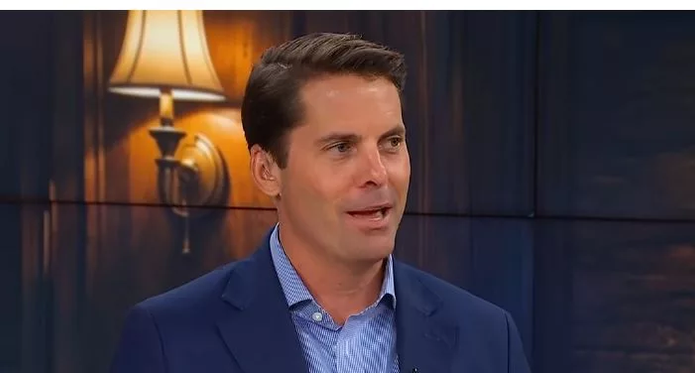
American journalist Rob Finnerty has apologised to Kenyans after his remarks comparing New York City to Nairobi triggered widespread criticism online. The Newsmax presenter admitted he had made a mistake following a backlash from Kenyans who questioned why their capital had been portrayed negatively during a discussion about immigration and changing urban conditions in the United States.
Highlights
- Newsmax journalist Rob Finnerty apologised to Nairobi residents following online criticism.
- His remarks compared the changing appearance of New York City to Nairobi during a discussion about immigration.
- Kenyans challenged the comparison, noting that none of the individuals featured in the supplied clip identified themselves as being from Kenya.
- The controversy reignited conversations about stereotypes and international media portrayals of African cities.
- Finnerty acknowledged his mistake and expressed regret to those offended by his comments.
Main Story
Rob Finnerty Addresses Backlash Over Nairobi Remarks
Newsmax journalist Rob Finnerty has issued an apology to Kenyans following criticism of comments he made while discussing immigration and conditions in New York City.
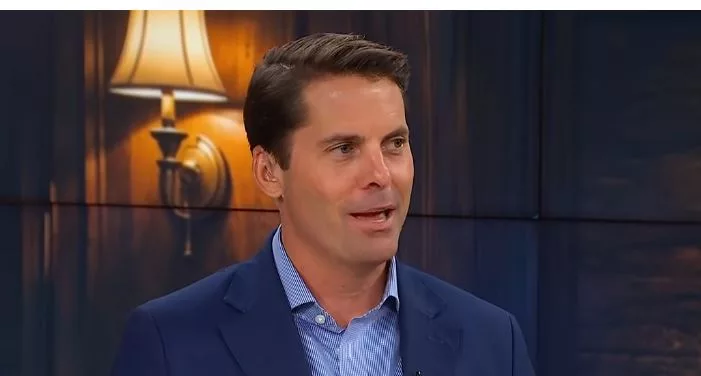
In a statement on Tuesday, October 13, Finnerty acknowledged that his remarks had caused offence and expressed regret to residents of Nairobi and Kenyans more broadly.
He praised Kenyans for their enthusiasm for their city and country, while admitting that he had misspoken during the broadcast.
The apology followed a wave of reactions on social media, with Kenyans questioning his choice of Nairobi as a comparison point in a conversation about changes taking place in American cities.
What Finnerty Said During the Broadcast
The controversy began during a Newsmax segment in which Finnerty discussed immigration, street conditions and delivery workers in New York City.
While criticising immigration policies implemented under former US President Joe Biden, the journalist argued that migration from developing countries was changing the character of some American urban centres.
During the programme, he compared the appearance of certain cities in the United States to Nairobi, prompting criticism from Kenyan viewers.
Finnerty also argued that mainstream media outlets were not adequately reporting on the developments he was describing, drawing comparisons with urban changes in the United Kingdom and France.
The segment included interviews with people who identified themselves as being from countries such as Guatemala, Bangladesh, Burkina Faso, Senegal, Mexico and Guinea.
None of the individuals featured in the supplied clip identified themselves as Kenyan or as coming from Nairobi. That detail became a major talking point among critics, who questioned why the Kenyan capital had been brought into the discussion.
Kenyans Push Back on Social Media
Following the broadcast, Kenyans took to social media to challenge Finnerty’s remarks and demand an apology.
Some users questioned the basis for linking Nairobi to the conditions being discussed in New York, particularly given that none of the interviewees in the supplied clip identified Kenya as their country of origin.
Others viewed the comparison as another example of international commentary relying on negative portrayals of African cities when discussing immigration, urban development and public services.
The reaction spread beyond Finnerty’s personal social media accounts, with users also directing their criticism towards Newsmax.
For many critics, the issue extended beyond one journalist’s choice of words to a wider concern about how African cities are represented in global media conversations.
Debate Over How African Cities Are Portrayed
The incident has renewed discussion about the language international commentators use when comparing cities across different countries.
Nairobi is a major African urban centre with its own economic, cultural and social complexities. Critics argued that using it as shorthand for an undesirable urban transformation risks reducing the city to a narrow stereotype.
The backlash also highlighted how social media has given audiences in countries such as Kenya a platform to challenge international narratives and demand greater accountability from prominent broadcasters.
At the same time, debates about immigration, infrastructure and urban conditions remain complex issues that require evidence and context rather than broad assumptions about people based on their countries of origin.
Journalist Issues Apology
In his statement, Finnerty directly addressed Nairobi residents and Kenyans, acknowledging that his comments had caused offence.
He expressed admiration for the passion people have for their city and homeland and accepted responsibility for his choice of words.
His apology came after Kenyans voiced their displeasure online and called on both the journalist and the broadcaster to address the controversy.
The incident adds to ongoing conversations about representation, cultural respect and the responsibility that comes with reaching large international audiences.
For Kenyans who challenged the remarks, the central concern was not simply the comparison itself, but what it suggested about the way their country is viewed and discussed abroad.
Nairobi’s story is bigger than any single comparison, and this episode raises an important question: how can international media discuss African cities fairly without reducing them to stereotypes?

