
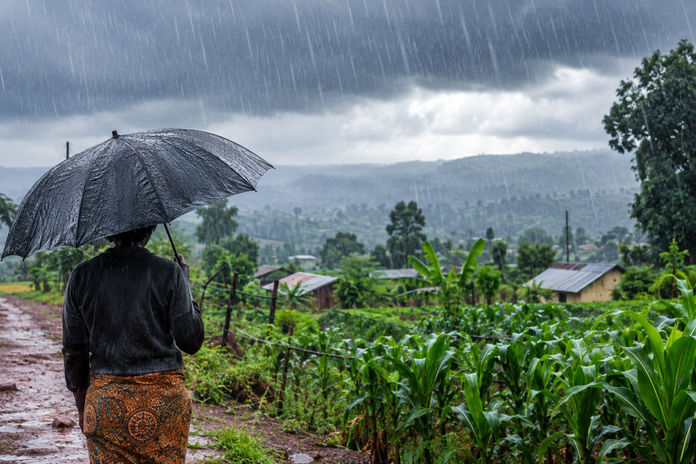
Kenya has officially entered the October-December rainfall season, with the Kenya Meteorological Service forecasting wetter-than-usual conditions in several parts of the country. While some counties are already receiving rain, others including Nairobi and much of central Kenya are expected to see the onset within the coming weeks.
Highlights
- The October-December rainfall season has officially begun.
- Parts of 24 counties are already experiencing the onset of rains.
- Turkana and Samburu are expected to receive the rains latest, around the third or fourth week of October.
- Several areas could record above-average rainfall.
- Farmers have been advised to rely on county-specific forecasts when planning agricultural activities.
Main Story
Kenya Enters the Short Rains Season
The October-December rainfall season is now underway across Kenya, with meteorological authorities warning that several parts of the country could receive more rain than usual.
Acting head of the Kenya Meteorological Service Authority Edward Muriuki said rainfall had already begun in parts of 24 counties, particularly across western Kenya, the Coast and the Rift Valley.
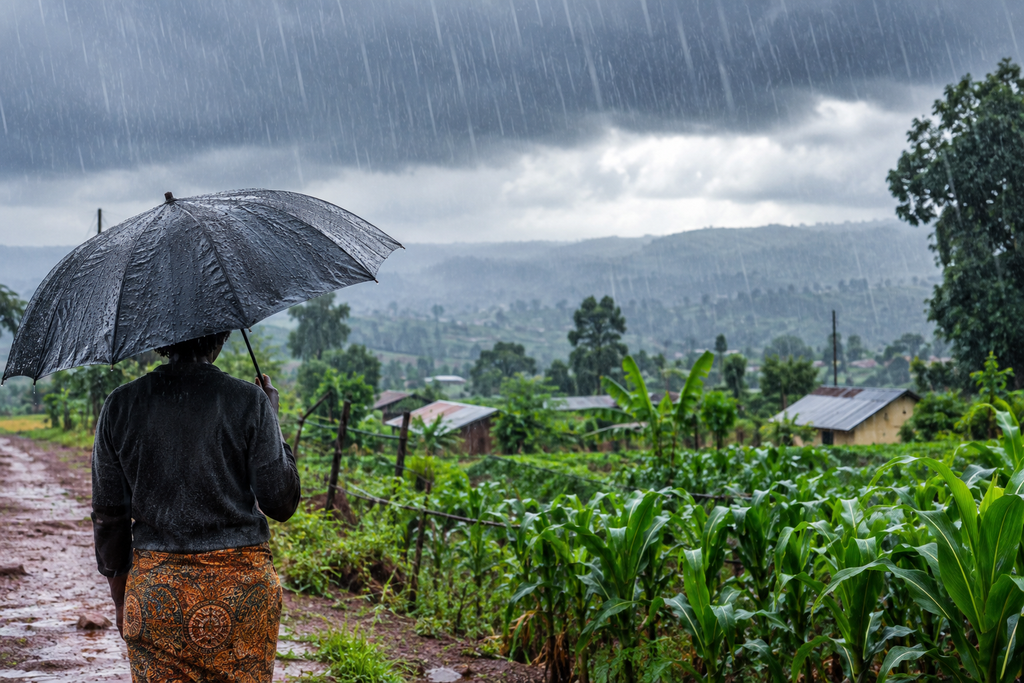
The rains are expected to spread gradually to other parts of the country over the coming days and weeks.
County-by-County Onset
According to the Met department, several counties are already experiencing rainfall.
These include Nandi, Kakamega, Vihiga, Bungoma, Siaya, Busia, Baringo, Nakuru, Trans Nzoia, Uasin Gishu, Elgeyo Marakwet, West Pokot, Kisii, Nyamira, Kericho, Bomet, Kisumu, Homa Bay, Migori and Narok.
At the Coast, Mombasa, Kwale, Lamu and Kilifi have also recorded the start of the rainfall season, alongside the Tana Delta.
Meanwhile, residents in Marsabit, Mandera, Wajir, Garissa and Isiolo are expected to begin receiving the rains during the first or second week of October.
When Will Nairobi and Central Kenya Get the Rains?
Residents in Nairobi and much of central Kenya may not have to wait much longer.
The Met department expects rainfall to begin in the coming week or the week after in Nairobi, Kiambu, Murang’a, Kirinyaga, Nyeri, Nyandarua and Laikipia.
The same period is expected to bring the onset of rains to Embu, Meru, Tharaka Nithi, Machakos, Kitui and Makueni.
Kajiado, Taita Taveta and inland areas of Tana River are also expected to experience the onset within a similar period.
Turkana and Samburu are projected to be among the last counties to receive the rains, with the onset expected around the third or fourth week of October.
Farmers Urged to Follow Local Forecasts
With rainfall patterns expected to vary considerably across the country, farmers have been advised not to rely solely on broad national forecasts.
Muriuki encouraged farmers to consult county meteorological offices for more detailed weekly and monthly information before making decisions on planting and other agricultural activities.
This is particularly important because the timing and intensity of the rains will differ from one region to another.
More Rain Could Boost Agriculture
The forecast for above-average rainfall could bring several benefits to farmers and pastoralists.
Increased rainfall is expected to improve soil moisture, support land preparation and planting, restore pasture and increase water availability for livestock.
For communities that depend heavily on rain-fed agriculture, the rains could provide an important boost heading into the new farming season.
Heavy Rainfall Could Also Bring Challenges
The Met department, however, has warned that more rainfall also comes with risks.
Excessive rain could lead to waterlogged farms, increased crop diseases and interruptions to normal farming activities. Poor road conditions could also make it harder to transport agricultural produce.
Some areas are expected to receive particularly heavy rainfall.
These include parts of the Coast and northeastern Kenya, with Kwale, Mombasa, Kilifi, Lamu and Mandera highlighted alongside parts of Taita Taveta, Tana River, Garissa and Wajir.
Residents in these areas may therefore need to remain alert to the possibility of flooding and other weather-related disruptions as the rainfall season intensifies.
What Kenyans Should Expect
The start of the short rains offers opportunities for farmers, livestock keepers and communities facing water shortages, but the expected intensity means preparation will be important.
With rainfall dates varying significantly by county, local forecasts could prove more useful than a one-size-fits-all national outlook.
The rains may bring new opportunities for Kenya’s farms and water sources, but as the clouds gather, preparation could make all the difference between a season of plenty and one of disruption.

