
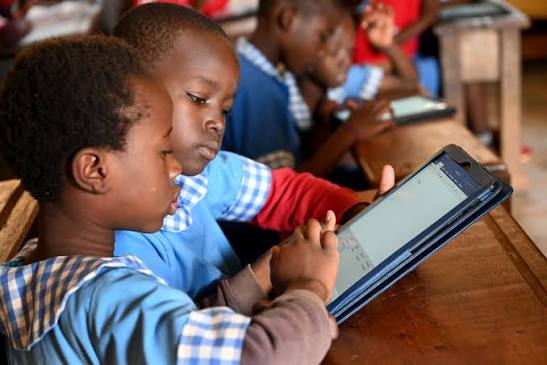
Technology is changing the way children learn, interact with teachers and access information. From educational apps and digital classrooms to artificial intelligence and interactive learning tools, technology is giving children new ways to understand concepts and develop skills beyond the traditional classroom.
Highlights
- Digital tools are making learning more interactive and accessible.
- Children can access educational resources beyond the classroom.
- Technology allows learners to study at their own pace.
- Teachers can use digital platforms to personalise lessons.
- Parents have a bigger role in guiding children’s use of technology.
Main Story
Learning Is No Longer Limited to the Classroom
For generations, education largely revolved around textbooks, chalkboards and face-to-face lessons. Today, a child can explore a new subject using a tablet, computer or smartphone within minutes.
Educational websites, videos, digital libraries and learning applications give children access to information from different parts of the world.
This has made learning more flexible, allowing children to revisit difficult topics or explore subjects they find interesting.
Technology Makes Learning More Interactive
One of the biggest changes brought by technology is the shift from passive learning to more interactive experiences.
Animations, educational games, simulations and quizzes can make complex subjects easier for children to understand. Instead of simply reading about a scientific concept, for example, learners can use visual demonstrations to see how it works.
This can make lessons more engaging and encourage children to participate actively in their education.
Artificial Intelligence Is Creating New Learning Opportunities
Artificial intelligence is also beginning to influence education by providing tools that can explain concepts, generate practice exercises and offer instant feedback.
When used responsibly, AI can complement teachers by helping learners practise areas where they need additional support.
However, technology should not replace teachers. Children still need human guidance, encouragement, creativity and social interaction as part of their development.
Parents Still Have an Important Role
As technology becomes a bigger part of education, parents have to help children develop healthy digital habits.
This includes monitoring the type of content children consume, setting reasonable screen-time boundaries and encouraging them to use technology primarily as a learning tool rather than only for entertainment.
Parents can also engage with their children about what they are learning online and encourage them to think critically about the information they encounter.
The Future of Education
Technology is likely to continue reshaping education as new digital tools become available.
The goal should not simply be to put more devices in children’s hands, but to use technology meaningfully to improve how they learn, solve problems and prepare for the future.
Technology may change the classroom, but the most important part of a child’s education will always be the curiosity, guidance and support that help them make the most of every learning opportunity.

