
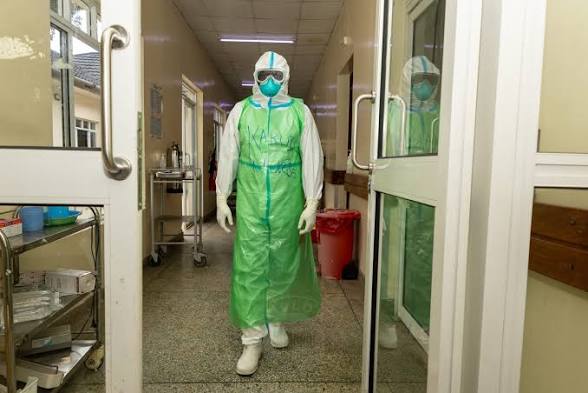
Kenya has stepped up preparations against a possible Ebola outbreak by designating four laboratories to handle testing, while authorities intensify surveillance at border points and other high-risk areas. The government says no Ebola case has been confirmed in the country so far, with all suspected cases testing negative.
Highlights
- Four laboratories have been designated for Ebola testing.
- Kenya has not recorded a confirmed Ebola case.
- Border screening and surveillance have been intensified.
- Health workers and multi-agency teams are undergoing preparedness training.
- Mpox, Dengue fever and Measles remain among Kenya’s other health concerns.
Main Story
Four Laboratories Designated for Ebola Testing
Kenya is strengthening its ability to detect Ebola after the government identified four facilities that will conduct testing for suspected cases.
The designated centres are the National Public Health Laboratory, KEMRI Nairobi, KEMRI Kisumu and a mobile laboratory serving the Busia and Bungoma areas.
The move is part of a broader preparedness plan aimed at ensuring suspected infections can be identified and managed as quickly as possible.
No Ebola Case Confirmed in Kenya
The Ministry of Interior and National Administration has assured the public that Kenya has not recorded a confirmed Ebola infection.
According to the ministry, samples from suspected cases investigated so far have all returned negative results.
Authorities are nevertheless maintaining heightened surveillance as Kenya prepares for the possibility of imported cases and other public health emergencies.
Health Workers and Emergency Teams Trained
The government is also strengthening the response system beyond laboratory testing.
Healthcare workers are receiving additional training, while simulation exercises and stakeholder sensitisation programmes are being conducted. Isolation facilities are also being prepared for possible use if suspected or confirmed cases arise.
Response supplies, including personal protective equipment and infection-prevention materials, are being stocked in health facilities to allow medical teams to act quickly when necessary.
Surveillance Intensified at Border Points
Kenya has increased screening at its Points of Entry, with travellers and vehicles being monitored as part of the enhanced surveillance programme.
Communities living near border areas are also being sensitised about Ebola, how it spreads and the steps they can take to reduce the risk of transmission.
Multi-agency teams involving the Kenya Defence Forces, National Police Service and National Government Administration Officers have been trained to monitor informal border crossings, truck-driver stopovers and other locations where large groups of people gather.
Other Diseases Remain a Concern
The Ebola preparations come as Kenya continues dealing with several other infectious diseases.
Mpox has been reported in 40 counties, with Mombasa, Nairobi and Busia among the areas recording the highest numbers. Health officials continue to conduct laboratory confirmation of suspected cases while integrating Mpox treatment into routine healthcare services.
Dengue fever has also been reported, particularly in Garissa and Wajir. Authorities are investigating suspected deaths while strengthening laboratory testing, treatment and infection-prevention measures.
Community awareness campaigns are also being used to educate residents about how Dengue spreads and how infections can be prevented.
Meanwhile, Measles cases have been reported in several counties, with Baringo, Marsabit, Wajir, Mandera and Garissa among those most affected.
Kenya Focuses on Early Detection
The government’s latest measures highlight the importance of detecting infectious diseases before they develop into wider outbreaks.
For Kenya, strengthening laboratories, preparing health workers and improving surveillance at borders are intended to ensure that any suspected Ebola case can be identified and contained quickly.
Preparedness may not make headlines when everything is calm, but when a health emergency strikes, the systems put in place today can make all the difference.

