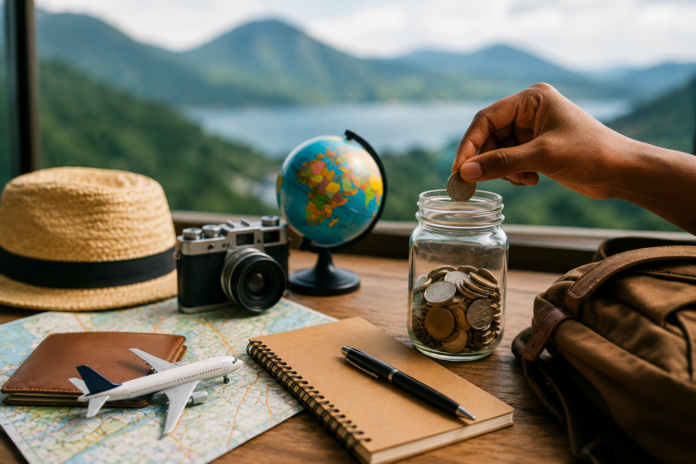
Travelling does not always have to come with a massive bill. Whether you are planning a weekend getaway, a road trip upcountry or an international holiday, a few smart decisions can help you enjoy the experience without returning home broke. From booking transport early to choosing affordable accommodation, saving money while travelling starts with planning before you leave.
Highlights
- Set a realistic travel budget before your trip.
- Compare transport and accommodation prices before booking.
- Travel during off-peak periods when possible.
- Use public transport or shared rides to reduce costs.
- Avoid unnecessary spending once you reach your destination.
Main Story
Set Your Budget Before You Travel
One of the easiest ways to overspend is to start a trip without knowing how much you can afford.
Before travelling, calculate the major costs, including transport, accommodation, food, activities and emergency expenses.
Give yourself a spending limit and try to leave some money untouched for unexpected situations.
A clear budget also helps you decide what you can comfortably afford instead of making financial decisions on the go.
Compare Transport Options
Getting to your destination can take up a large portion of your travel budget.
Do not automatically choose the first option you find. Compare buses, trains, flights, carpooling and other available options.
For domestic trips, alternatives such as trains or long-distance buses can sometimes be more affordable than driving yourself or booking a last-minute flight.
Kenya’s expanding rail network is also creating more travel options, with the ongoing SGR expansion expected to improve connections across the country and into the region.
Book Early When Possible
Last-minute bookings can be expensive, particularly during school holidays, festive seasons and other peak travel periods.
If your dates are flexible, compare prices across several days and consider travelling outside the busiest periods.
Booking accommodation and transport early can also give you more choices, allowing you to select options that fit your budget instead of settling for whatever remains.
Choose Affordable Accommodation
A hotel is not the only place you can stay.
Depending on your destination and the type of trip, consider guesthouses, hostels, budget hotels, apartments or trusted accommodation platforms.
If you are travelling with friends, sharing accommodation can significantly reduce the cost per person.
However, do not sacrifice safety simply to save money. Check reviews, location and basic security arrangements before booking.
Eat Like a Local
Food can quietly consume a large part of a travel budget.
Instead of eating every meal at expensive tourist restaurants, explore affordable local eateries and markets where appropriate.
If your accommodation has cooking facilities, preparing some meals yourself can reduce costs even further.
Plan Your Activities
Spontaneous activities can be fun, but they can also quickly drain your wallet.
Research your destination before travelling and identify the attractions and experiences you genuinely want to enjoy.
Look for free or low-cost activities such as public beaches, walking tours, museums on discount days, cultural spaces, parks and local markets.
Having a plan also makes it easier to avoid spending money simply because you have nothing else to do.
Be Careful With Small Expenses
A few thousand shillings rarely disappear in one purchase. They often go through several small expenses that seem harmless at the time.
Extra snacks, unnecessary souvenirs, expensive coffee, frequent ride-hailing trips and impulse purchases can add up quickly.
Give yourself a daily spending allowance and keep track of what you spend.
A simple note on your phone can be enough to help you stay accountable.
Avoid Unnecessary Foreign Exchange Costs
If you are travelling outside Kenya, pay attention to currency conversion and transaction fees.
Compare exchange rates before converting large amounts of money and check what your bank or payment provider charges for international transactions.
It is also wise to carry more than one payment option in case your preferred method is unavailable.
Keep an Emergency Fund
Saving money should never mean travelling without a financial safety net.
Keep some money separate from your normal travel budget for emergencies such as medical needs, unexpected transport costs, lost belongings or changes to your travel arrangements.
If everything goes smoothly, you can return home with that money still intact.
The best trips are not necessarily the most expensive ones they are the ones where you create great memories without spending money you cannot afford.

