
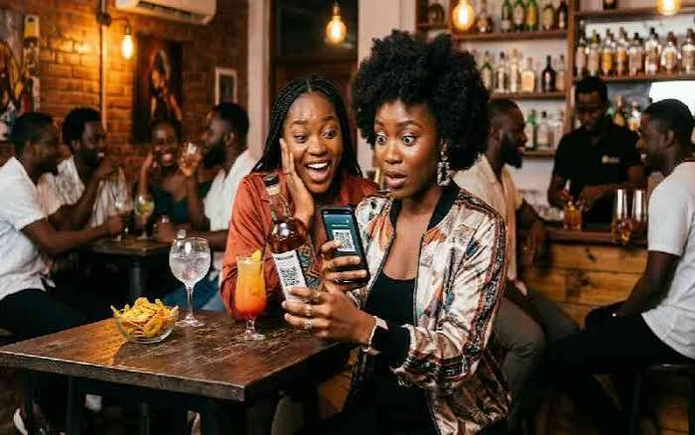
Kenyans have been given a fresh reminder on how to verify alcoholic drinks and other excisable products after the Kenya Revenue Authority (KRA) clarified that ordinary barcode scanners are not the right tool for determining whether a drink is genuine. Instead, consumers have been urged to use the Soma Label platform to authenticate products before consumption.
Highlights
- KRA has directed consumers to use Soma Label to verify excisable products.
- Ordinary barcode scanning does not confirm that an alcoholic drink is genuine.
- Excise stamps contain encrypted information linked to KRA’s tracking system.
- The Soma Label application is available on Android and iOS.
- The guidance comes amid continued concerns over counterfeit and illicit alcohol in Kenya.
Main Story
KRA Clarifies How to Check Genuine Alcohol
The Kenya Revenue Authority has stepped into an online conversation about how Kenyans can establish whether alcoholic drinks on the market are authentic.
The discussion gained attention on Friday, August 28, 2026, as social media users debated whether scanning the barcode on a bottle could confirm its authenticity.
One X user cautioned consumers against using ordinary barcode scanners as a way of proving that a product is genuine.
KRA subsequently pointed consumers towards its Soma Label platform as the appropriate way to verify excisable goods.
What Is Soma Label?
According to KRA, the excise stamp attached to regulated products contains more than information about tax compliance.
The stamp carries encrypted data connected to the authority’s track-and-trace system. This technology allows the authenticity of an excisable product to be checked through the information embedded in the stamp.
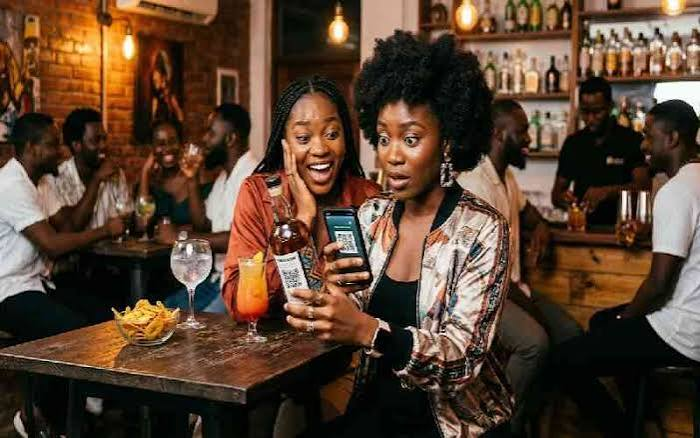
Consumers can use the Soma Label application to scan the relevant product and access its verification details.
The app is available through both the Google Play Store and Apple App Store.
Why a Normal Barcode Scan Is Not Enough
The distinction matters because a standard barcode reader is designed primarily to identify product information. A successful barcode scan on its own does not necessarily establish that a product has passed KRA’s authentication system.
KRA’s recommended process instead focuses on the information contained in the excise tax stamp.
This gives consumers an additional way to check a product before opening or consuming it.
Counterfeit Alcohol Remains a Concern
The clarification comes as concerns over illicit and counterfeit alcohol continue to attract attention in Kenya.
Social media users have previously shared footage and claims involving the manufacture and distribution of fake alcoholic drinks, raising questions about how consumers can distinguish legitimate products from potentially dangerous ones.
Counterfeit goods also create problems beyond consumer safety. They can deny the government tax revenue and place legitimate manufacturers and distributors at a disadvantage.
For consumers, however, the biggest concern is what they may be putting into their bodies.
What Consumers Should Do
Kenyans buying excisable products should pay attention to the product’s excise stamp and use the designated verification system rather than assuming that a drink is genuine simply because it is being sold openly.
Using KRA’s authentication platform provides consumers with an extra check before consumption.
With concerns over illicit alcohol continuing to circulate, that simple verification step could make a significant difference.
When it comes to what goes into your glass, a quick verification may be worth far more than taking a bottle at face value.

