
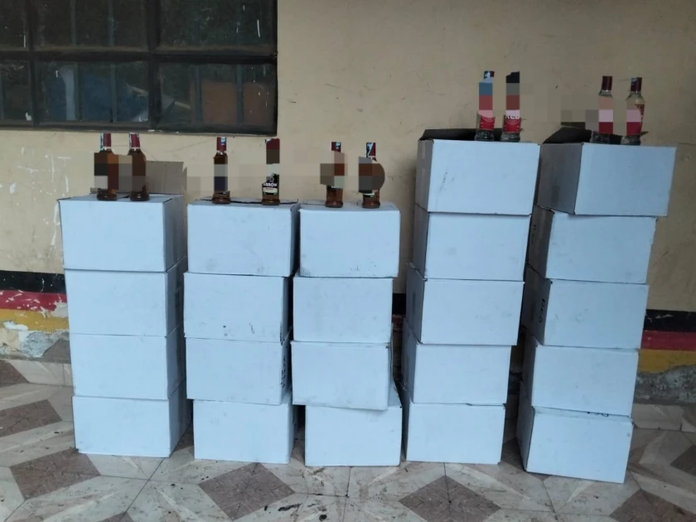
A nationwide security operation has led to the seizure of suspected illicit goods worth Ksh.62.7 million, with 29 suspects arrested across several regions of Kenya. The three-day exercise, dubbed Usalama XII, targeted counterfeit merchandise, smuggled cigarettes, suspected falsified medicines, illicit alcohol and human trafficking networks. Among the items recovered were thousands of suspected fake phone chargers, football merchandise, vehicle spare parts and public medical supplies, as detectives also pursued leads involving illegal recruitment and the exploitation of vulnerable individuals.
Highlights
- Suspected contraband worth Ksh.62.7 million seized during a three-day nationwide operation.
- Twenty-nine suspects arrested, with 198 vehicles checked against INTERPOL databases.
- Thousands of suspected counterfeit phone adapters and football merchandise recovered in Nairobi.
- Eighty-five passports, work visas and employment documents recovered during an investigation in Westlands.
- Suspected trafficking victims rescued in Roysambu and Gilgil.
Main Story
DCI Leads Nationwide Crackdown on Illicit Trade
The Directorate of Criminal Investigations (DCI) has announced the seizure of suspected contraband valued at Ksh.62.7 million following a three-day multi-agency operation targeting illegal commercial activities across Kenya.
The operation, known as Usalama XII, covered Nairobi, Central, Coast, Rift Valley, Eastern, Nyanza and Western regions.
Authorities focused on suspected counterfeit products, illicit alcoholic and soft drinks, smuggled cigarettes, falsified pharmaceuticals, questionable personal-care products, human trafficking and wildlife-related offences.
The exercise resulted in 29 arrests. Officers also examined 198 motor vehicles against INTERPOL databases as part of broader efforts to identify possible links to criminal activity.
Thousands of Suspected Counterfeit Products Seized
In Nairobi, detectives recovered a wide range of consumer goods suspected to be counterfeit, including electrical accessories, automotive products and sports merchandise.
According to the DCI, the seized items included 3,991 suspected counterfeit Samsung and iPhone adapters, 1,963 football jerseys and Adidas-branded balls, alongside beauty products, vehicle spare parts and lubricants.
The operation also uncovered suspected falsified pharmaceuticals and diverted public medical supplies at an unlicensed clinic in Kayole.
In Eastleigh, officers seized bottles of products suspected to contain narcotic or psychotropic substances from a pharmacy. The products were taken for further analysis to establish their contents.
Authorities have not indicated that all the seized products have been conclusively confirmed as counterfeit or illegal, with investigations and laboratory examinations expected to establish the nature of the items.
85 Passports Recovered in Westlands
The operation also targeted suspected illegal recruitment activities in Nairobi’s Westlands area, where detectives recovered 85 Kenyan passports, work visas and employment contracts.
A suspect was arrested over the alleged operation of an unlicensed recruitment agency.
The discovery comes amid continued concerns over recruitment practices that may expose job seekers to exploitation, fraudulent employment arrangements and human trafficking.
Authorities are expected to investigate the circumstances surrounding the recovered documents and establish whether the agency was involved in unlawful recruitment or other offences.
Suspected Trafficking Victims Rescued
Elsewhere in Nairobi, an operation in Roysambu led to the rescue of three girls who were suspected to be victims of sexual exploitation.
In a separate incident in Gilgil, officers intercepted four Somali nationals believed to be trafficking victims. Two of those rescued were minors.
The cases formed part of the broader operation targeting human trafficking and the exploitation of vulnerable people.
Investigations will be crucial in establishing the circumstances surrounding the individuals’ movements, identifying any suspected traffickers and determining what protection and assistance the victims require.
90,000 Cigarettes Intercepted in Nakuru
In Nakuru, officers arrested a suspect found transporting 90,000 sticks of cigarettes suspected to have been smuggled into the country.
The consignment was valued at approximately Ksh.2 million and was reportedly accompanied by counterfeit excise stamps.
The seizure forms part of efforts to disrupt illicit cigarette distribution, which can undermine legitimate businesses and government revenue through the evasion of applicable taxes and regulatory requirements.
More Seizures Across Central and Nyanza
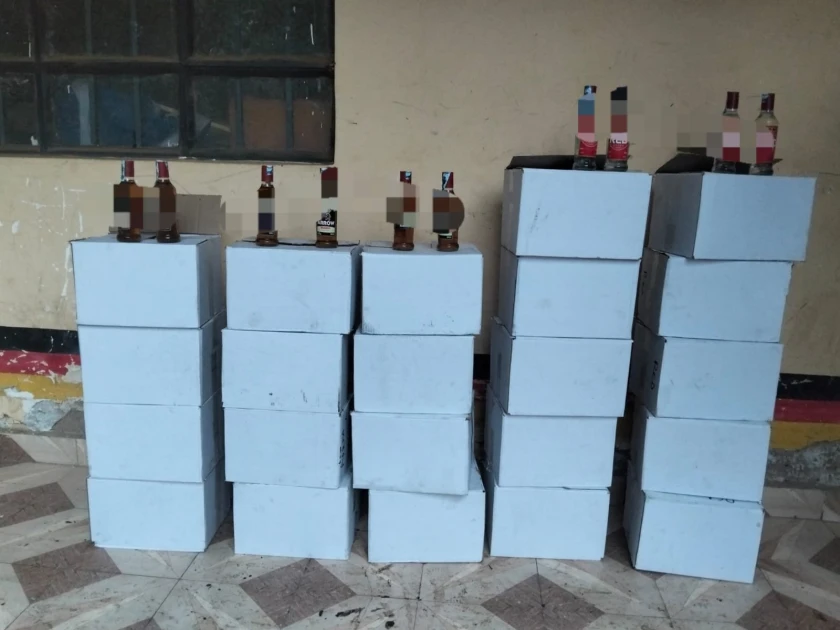
Additional operations in Central and Nyanza regions resulted in arrests and the recovery of alcoholic beverages suspected to be counterfeit or unmarked.
Detectives also seized mobile phones, storage devices and footwear suspected to be counterfeit.
The findings demonstrate the range of activities covered by the multi-agency exercise, which combined investigations into commercial offences with efforts to identify trafficking networks and other forms of organised crime.
Authorities Continue Investigations
The DCI’s announcement underscores the scale of the suspected illicit trade uncovered during the three-day exercise. However, the arrests and seizures represent the beginning of the legal process, with investigators required to establish the facts and present evidence in court where charges are pursued.
Consumers are also encouraged to exercise caution when purchasing electronics, medicines, beauty products and other regulated goods, particularly where sellers cannot demonstrate that their products meet the relevant standards.
As investigations continue, the authorities will seek to establish the origins of the seized goods, identify the people responsible and determine whether further arrests or prosecutions are warranted.
From counterfeit products to suspected trafficking networks, the Usalama XII operation highlights the many forms illicit activity can take. The next test will be whether investigations lead to successful prosecutions and stronger protection for Kenyan consumers and vulnerable communities.

