
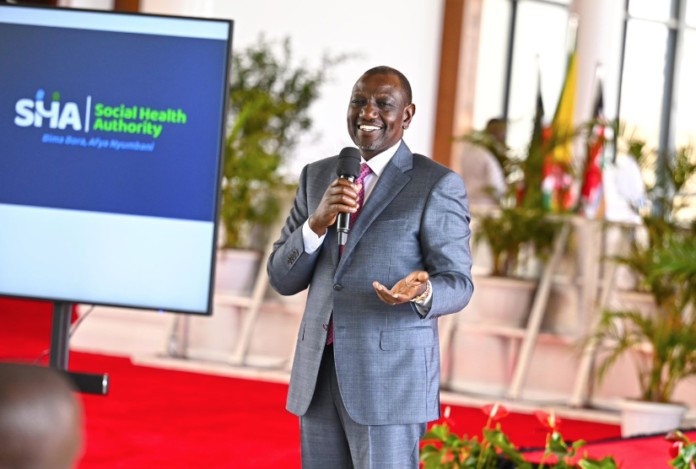
More Coverage, More Questions: The Real State of Healthcare Under SHA
Nearly two years after the Social Health Authority replaced NHIF, the numbers point to a major expansion in Kenya’s health coverage. Millions more people are registered, thousands of facilities are accessible and specialised treatments are reaching more patients. But as President William Ruto completes four years in office, the question that matters most is simple: when an ordinary Kenyan falls sick, is getting treatment now actually easier and more affordable?
Highlights
- SHA says it had registered 32.3 million Kenyans by August 18, 2026.
- More than 10,700 health facilities are now accessible under the system.
- SHA reports higher numbers of surgeries and specialised treatments than during a comparable NHIF period.
- System disruptions, delayed payments and unexpected patient costs remain major concerns.
- The real measure of success may be what happens when a patient arrives at a hospital.
SHA’s reach has grown dramatically
The government says Kenya’s shift from NHIF to SHA has significantly widened the reach of public health financing.
According to figures presented at the Kenya Health Summit, SHA had registered 32.3 million people by August 18, 2026. SHA registered 32.3 million people by August 18, 2026, which is almost double NHIF’s highest registration figure of 16.9 million.
The network of facilities available to members has also expanded. Under SHA, members can access 10,713 facilities, up from 8,667 during the NHIF era. The network includes public hospitals, private providers and faith-based facilities.
On the surface, the figures suggest that the government has succeeded in bringing a far larger share of the population into the health financing system.
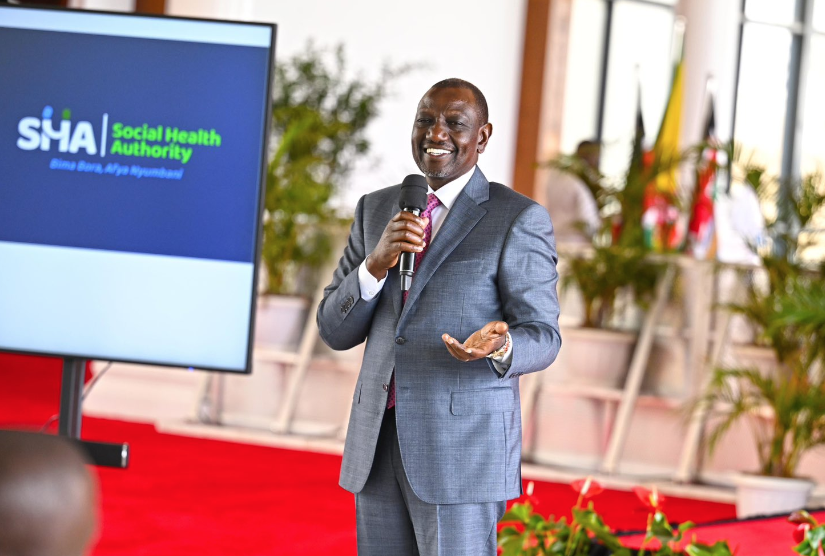
Funding more treatment.
The government is also pointing to increased financing for expensive and specialised care.
SHA says it has supported 501,839 surgeries within its first two years, compared with 227,741 surgeries recorded during a similar two-year period under NHIF.
Other figures released by the authority show that 20,952 people have benefited from renal care, while about 50,000 cancer patients have received support. The authority reportedly financed ICU treatment for 28,031 beneficiaries.
Maternal healthcare is another major part of the government’s figures. The government reportedly funded around 1.3 million deliveries at a cost of KSh17 billion.
Across its different financing programmes, SHA says it has paid approximately KSh178.5 billion to support healthcare services.
The government’s push to bring Kenyans into primary healthcare and expand digital systems in health facilities reflects the system’s growth.
But registration is only the beginning
A growing number of registrations does not necessarily mean every Kenyan is receiving healthcare without difficulty.
The transition from NHIF to SHA has faced repeated concerns from patients and health providers. Health providers charged patients out of pocket for services they believed were covered.
For many Kenyans, that is where the debate becomes more personal.
The SHA lists you as a member, and that is one thing. When you visit a hospital, staff process your details, you receive treatment, and you leave with no bill.
Providers are still feeling the pressure
Hospitals and other healthcare providers have also raised concerns about delayed reimbursements and unpaid claims.
The government has been working to deal with outstanding debts inherited from the NHIF system. Health Cabinet Secretary Aden Duale previously said KSh4 billion had been set aside to begin clearing verified NHIF claims of KSh10 million and below owed to health facilities.
The Ministry of Health said the move was intended to ease pressure on providers and rebuild confidence during the transition. However, larger outstanding claims would still require additional funding.
For hospitals, delayed payments can affect their ability to purchase supplies, maintain services and continue treating patients under public health financing schemes.
The fight against fraud adds another challenge
As more money flows through the new health financing system, oversight has become increasingly important.
The government has stepped up action against health facilities accused of submitting suspicious or fraudulent claims. Crackdown efforts aim to protect public funds and also highlight the scale of the challenge SHA faces.
Expanding coverage is only part of the job. The system must ensure payments are legitimate, hold providers accountable, and ensure public money reaches patients who need care.
The patient experience is now the biggest test
The conversation around SHA is slowly moving beyond headline registration figures.
The key question is increasingly about the experience of the patient.
Can someone get treatment when they urgently need it? Is the hospital’s system working? Are the necessary medicines and services available? Will someone tell the patient to pay an unexpected amount despite being registered?
These questions may ultimately determine whether Kenyans view SHA as a meaningful improvement over NHIF.
We cannot judge the country’s universal health coverage journey by enrolment figures or government funds alone. We must also judge affordability, reliability, quality of care, and the dignity with which patients are treated.
So, what do the numbers really tell us?
There is little doubt that SHA has grown the scale of Kenya’s public health coverage.
More people register. The number of participating facilities has increased. The program finances hundreds of thousands of surgeries, while it expands support for patients needing renal treatment, cancer care, intensive care, and maternity services.
Those are important gains.
But the system is still facing serious growing pains. Technical failures, delayed provider payments, unresolved claims and reports of patients continuing to pay out of pocket show that wider coverage does not automatically translate into a smooth healthcare experience.
For the Ruto administration, the next challenge may therefore be tougher than signing up millions of new members.
It will be about making sure the system works consistently when Kenyans need it most.
SHA’s real success rests on patient outcomes, not just names on a register. Patients must enter a hospital, receive care, and leave without hindrance or unaffordable costs.

