
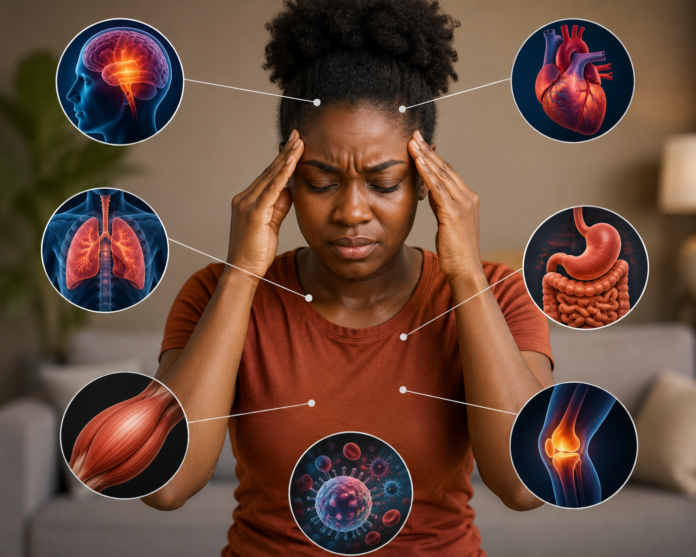
That tight feeling in your chest, racing heartbeat, restless night or sudden headache may be more than just a bad day. When you experience stress, the body quickly switches into a state of alert, releasing hormones that prepare you to respond to a perceived challenge. While this reaction can be useful for a short time, constant stress can take a toll on both physical and mental wellbeing.
Highlights
- Stress activates the body’s natural fight-or-flight response.
- Heart rate, breathing and blood pressure can increase during stressful moments.
- Prolonged stress can interfere with sleep, digestion and concentration.
- Ongoing stress may affect mood and overall wellbeing.
- Exercise, rest, social support and healthy routines can help manage stress.
Main Story
Your Body Has an Emergency Response System
Stress is the body’s way of responding to situations it considers challenging or threatening.
When the brain detects a stressful situation, it signals the body to become more alert. Hormones such as adrenaline and cortisol are released, helping prepare the body to react quickly.
This is commonly known as the fight-or-flight response.
You might notice your heart beating faster, your breathing becoming quicker or your muscles tightening. These changes are designed to give you the energy and alertness needed to deal with a challenge.
Why Your Heart Starts Racing
One of the most noticeable effects of stress is an increased heart rate.
Adrenaline encourages the heart to pump faster, helping send more blood and oxygen to muscles and other parts of the body that may need them during an emergency.
Your blood pressure can also temporarily rise.
For a short-lived stressful situation, these changes are usually part of a normal protective response. The concern comes when the body remains in this heightened state for extended periods.
Stress Can Affect Your Breathing
When you are stressed, your breathing may become faster or shallower.
This happens because the body is preparing for increased physical activity. Some people may also feel as though they cannot take a satisfying breath when they are particularly anxious or overwhelmed.
Slowing down and taking controlled, comfortable breaths can help promote relaxation.
Your Digestive System Can Feel It Too
Stress does not only affect the heart and brain. It can also change the way the digestive system works.
Some people experience stomach discomfort, changes in appetite, nausea or altered bowel habits when they are under pressure.
This is partly because the body temporarily prioritises systems it considers essential for dealing with an immediate threat.
Sleep and Energy Can Take a Hit
A stressful mind can make it difficult to switch off at night.
Persistent worrying may keep you awake, while poor sleep can leave you tired, irritable and less focused the following day. This can create a cycle where exhaustion makes everyday challenges feel even harder to manage.
If stress continues for a long time, people may also experience persistent fatigue or difficulty concentrating.
Long-Term Stress Is Different
Short periods of stress are not necessarily harmful. In some situations, stress can improve alertness, motivation and performance.
The bigger concern is prolonged or overwhelming stress without enough time for the body to recover.
Long-term stress can contribute to problems involving sleep, mood, concentration and other aspects of wellbeing. It can also make existing health problems harder to manage.
Ways to Help Your Body Recover
Managing stress does not always require dramatic changes.
Simple habits can make a difference. Regular physical activity, sufficient sleep, nutritious meals, time away from constant digital stimulation and meaningful conversations with trusted people can all support wellbeing.
Relaxation techniques such as slow breathing, meditation or taking a quiet break can also help calm the body’s stress response.
If stress feels overwhelming, lasts for a long time or begins interfering with daily life, speaking with a qualified health professional can be an important step.
Understanding your body’s response to stress is the first step towards recognising when you need to slow down and take care of yourself.
Stress may be part of everyday life, but listening to what your body is telling you can make the difference between simply pushing through and genuinely taking care of yourself.

