
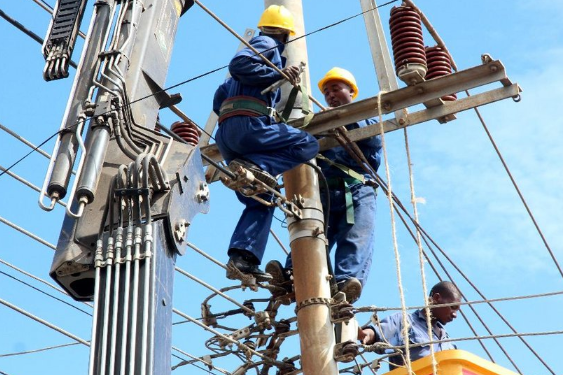
Kenya’s push to bring electricity closer to underserved communities has reached a major milestone, with more than 1.59 million customers connected between September 2022 and June 14, 2026. Beyond lighting homes, the expansion is giving rural businesses more room to operate while creating new opportunities for communities that have long remained on the edge of the national grid.
Highlights
- 1,597,586 customers gained electricity connections between September 2022 and June 2026.
- Nyanza recorded the highest number of new connections at 321,010.
- Rift Valley followed with 313,893 connections.
- Electricity is supporting small businesses, phone charging and longer trading hours.
- Affordability and sustainable access remain key challenges.
Main Story
Nyanza and Rift Valley Record the Biggest Gains
Kenya’s rural electrification programme continues to expand access to power, with 1,597,586 customers connected over the period under review.
Nyanza posted the highest number of connections at 321,010, closely followed by the Rift Valley, which recorded 313,893.
The Coast region registered 196,191 new connections, while Central counties accounted for another 190,090.
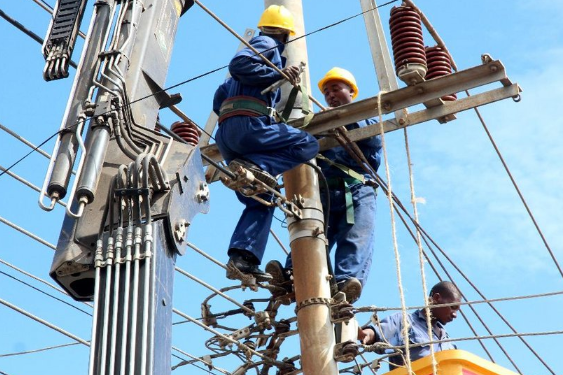
The expansion has been supported through a mix of government funding, donor-backed initiatives, extensions of the existing electricity grid and the installation of mini-grids in areas where conventional grid infrastructure can be difficult to reach.
Electricity Bringing New Opportunities
For residents in areas such as Garsen in Tana River and Ndori in Siaya, access to electricity is changing everyday life beyond simply switching on a bulb.
Households can reduce their dependence on expensive solar lamps, while small businesses are gaining the ability to charge phones, operate equipment and remain open for longer periods.
For traders and entrepreneurs, reliable electricity can also create opportunities to introduce new services and grow businesses that previously faced limitations because of inadequate power access.
The continued rollout of electricity is being viewed as an important part of efforts to reduce the development divide between urban and rural Kenya.
However, connecting a community to the grid is only one part of the equation. The cost of electricity and the ability of households to consistently afford and use the service remain important concerns.
As Kenya expands its electricity network, the bigger test will be ensuring that access to power translates into lasting economic opportunities for the communities it is intended to serve.
For rural communities, electricity is more than a connection to the grid it can be a connection to opportunity.

