
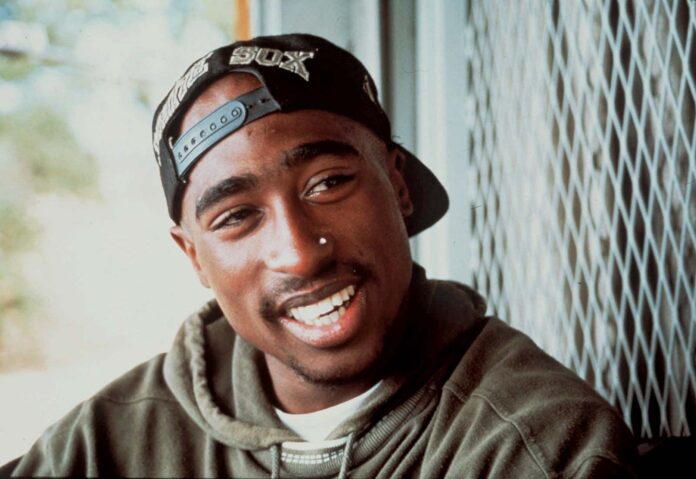
Nearly 30 years after Tupac Shakur was fatally shot in Las Vegas, the long-running murder investigation has finally reached a courtroom. Prosecutors have accused former gang leader Duane “Keffe D” Davis of organising the deadly attack as retaliation for an earlier confrontation involving his nephew, while the defence insists the case is built on unreliable evidence and a decades-old investigation riddled with problems.
Highlights
- Duane “Keffe D” Davis is accused of orchestrating Tupac Shakur’s killing.
- Prosecutors say the shooting was motivated by revenge after a fight involving Davis’ nephew.
- Davis has pleaded not guilty and denies the allegations.
- Tupac was shot in Las Vegas on September 7, 1996, and died six days later.
- The defence has questioned evidence gathered over nearly three decades.
Main Story
Prosecutors Paint Davis as the Alleged Ringleader
The opening day of the trial took jurors back to the violent world surrounding hip-hop rivalries and street gangs in 1990s America.
Prosecutors argued that Davis played a central role in the attack that claimed Tupac Shakur’s life, despite not being the person who allegedly fired the fatal shots.
Chief Deputy District Attorney Binu Palal told jurors that the killing was allegedly organised as retaliation after Orlando Anderson, Davis’ nephew, was involved in a physical confrontation with Tupac earlier that night.
According to prosecutors, Davis believed the incident required a response and allegedly helped coordinate the shooting that followed.
A Murder That Stayed Unsolved for Decades
Tupac was only 25 when he was attacked while travelling through Las Vegas after attending a Mike Tyson boxing match on September 7, 1996.
He was taken to hospital but died six days later.
The investigation struggled for years, with authorities facing a major obstacle: people who may have known what happened were reluctant to speak.
Prosecutors told the court that fear and loyalty within gang circles contributed to the silence surrounding the case.
Tupac Refused to Cooperate With Police
One of the prosecution’s first witnesses was former Las Vegas Metropolitan Police Department officer Garry Dale, who recalled being with Tupac in an ambulance following the shooting.
According to his testimony, the rapper did not provide investigators with details about who had attacked him.
The moment reflected the broader difficulties police faced as they tried to establish what happened that night and identify those responsible.
Members of Tupac’s entourage have previously criticised the investigation, arguing that police initially treated people around the rapper as potential suspects instead of following key leads.
Davis’ Own Statements Return to the Spotlight
The prosecution is also relying heavily on statements Davis made years after the shooting.
Davis published a memoir in 2019 in which he discussed the events surrounding Tupac’s killing. He has also spoken about the case in interviews over the years.
Prosecutors say those accounts are significant because Davis allegedly described himself as a passenger in the vehicle from which the shots were fired and claimed that he provided the weapon to Anderson.
The defence, however, disputes the reliability of the memoir.
Davis has argued that he did not write every part of the book and that some sections were exaggerated or fictionalised to make the publication more commercially appealing.
A judge previously ruled that the memoir could be presented as evidence in the criminal proceedings.
Defence Questions the Case
Davis’ lawyers have urged jurors to be cautious about evidence that has emerged decades after the murder.
His attorney Michael Sanft questioned why it took almost 30 years for authorities to charge his client and challenged the prosecution’s ability to produce solid evidence after such a long period.
The defence has also raised concerns about missing police records, disputed evidence and what it describes as poor investigative work.
Lawyers representing Davis argue that some witnesses have criminal histories and that their accounts changed over time. They also claim certain witnesses may have been influenced by money, publicity or information provided by investigators.
The East Coast-West Coast Rivalry
The case is closely linked to the intense hip-hop tensions of the 1990s, particularly the rivalry between artists and entourages associated with the East Coast and West Coast scenes.
Gang affiliations involving the Bloods and Crips also formed part of the environment surrounding the feud.
Tupac had become one of the most influential artists of his generation, and his death became one of the most closely watched unsolved celebrity murders in modern music history.
For years, speculation surrounded who ordered and carried out the shooting, but no one was formally charged until Davis’ arrest decades later.
A Long-Awaited Courtroom Battle
Prosecutors now hope Davis’ own public accounts, testimony from witnesses and evidence surrounding the events of that night will establish his alleged role in the killing.
The defence is expected to focus on the age of the case and the credibility of the evidence, arguing that memories, records and witness accounts have become increasingly difficult to rely on after so many years.
Davis has pleaded not guilty.
The trial could finally provide a courtroom examination of one of music history’s most enduring mysteries, although the outcome will ultimately depend on what prosecutors are able to prove beyond a reasonable doubt.
After almost three decades of unanswered questions, the Tupac case is finally being tested in court but will the evidence be strong enough to close one of hip-hop’s biggest mysteries?

