
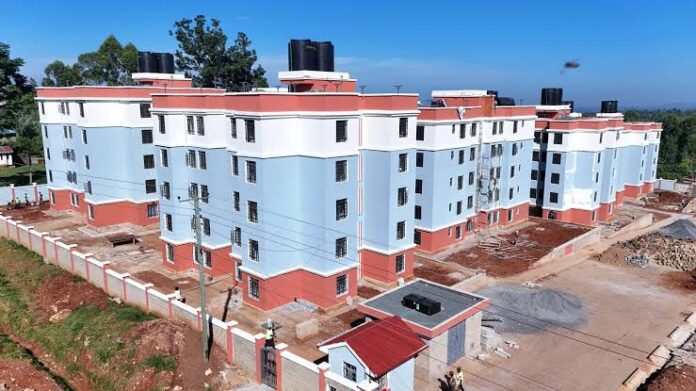
For many low-income households, the monthly rent deadline can mean difficult choices, including the risk of being locked out of their homes. Principal Secretary Raymond Omollo says the Affordable Housing Programme and Boma Yangu initiative are designed to change that reality by giving Kenyans an opportunity to move from paying rent to gradually owning a home.
Highlights
- Affordable housing is targeting low-income households in informal settlements and other underserved areas.
- The programme seeks to improve access to water, electricity and proper sanitation.
- Boma Yangu allows eligible Kenyans to save towards home ownership.
- A five per cent deposit is required to access the housing units under the stated arrangement.
- Residents can eventually own their homes through a tenant-purchase model.
Main Story
From Rent Payments to Home Ownership
The government is pitching the Affordable Housing Programme as a pathway towards more secure and dignified living conditions for low-income Kenyans.
Speaking about the initiative, Principal Secretary Raymond Omollo said many families continue to struggle with housing insecurity, particularly when they are unable to raise their monthly rent on time.
According to Omollo, the programme seeks to move households away from living in poorly serviced settlements and towards planned communities with access to essential amenities.
Focus on Nairobi’s Informal Settlements
Areas such as Kibra, Kangemi, Mathare and parts of Eastlands have been highlighted as communities that could benefit from improved housing infrastructure.
The broader objective is to provide homes that offer residents better access to services such as water, electricity and sanitation while creating more organised residential environments.
Tenant-Purchase Model
A major feature of the proposal is the tenant-purchase approach, which allows residents to make regular payments towards eventual ownership rather than paying rent indefinitely.
Omollo encouraged Kenyans to register through Boma Yangu and begin the process of saving towards a home.
He said leaders would work together to help prospective homeowners overcome the initial five per cent deposit requirement needed to enter the programme.
Once residents move into their units, Omollo said they could continue making affordable monthly payments, with the key difference being that those payments would ultimately contribute towards owning the property.
The government says the model is intended to make home ownership more accessible to people who may otherwise struggle to raise the amount needed to purchase a house outright.
The Bigger Housing Question
The Affordable Housing Programme remains one of the government’s major development initiatives, with housing affordability and living conditions continuing to be important issues for many Kenyan families.
For residents who spend a significant portion of their income on rent, the possibility of converting monthly housing payments into ownership could represent a major shift in how they plan for their financial future.
The success of the initiative, however, will ultimately depend on whether eligible Kenyans can access the homes, meet the payment requirements and receive the promised infrastructure and services.
For a generation tired of paying rent without building an asset, the real question is whether affordable housing can turn the dream of owning a home into a reality.

