
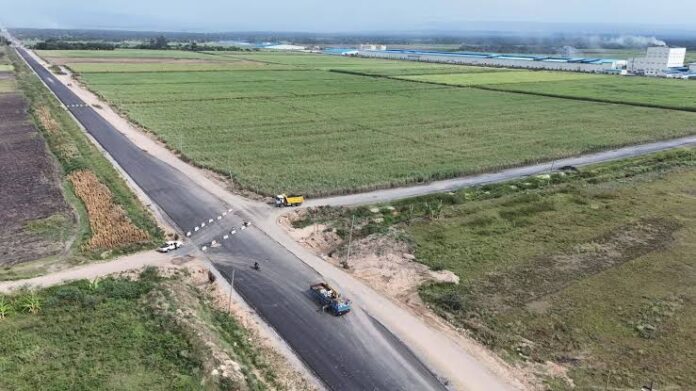
For years, motorists and residents along the Mamboleo–Miwani–Chemelil–Muhoroni–Kipsitet corridor have endured a road that has been in poor condition, affecting transport, businesses and farmers across western Kenya’s sugar belt. Although major reconstruction began in 2022, the project has faced delays, including funding challenges, leaving many people asking when the 122-kilometre corridor will finally be completed.
Highlights
- The road has been described as being in poor condition for several years.
- Major reconstruction officially began in October 2022.
- Funding challenges contributed to delays in the project.
- Construction resumed after contractors received outstanding payments.
- Completion of the major sections is currently targeted for July 2027.
Main Story
A Road That Has Been in Poor Condition for Years
The Mamboleo–Miwani–Chemelil–Muhoroni–Kipsitet Road, also known as the C674, is an important transport corridor connecting parts of Kisumu, Nandi and Kericho counties.
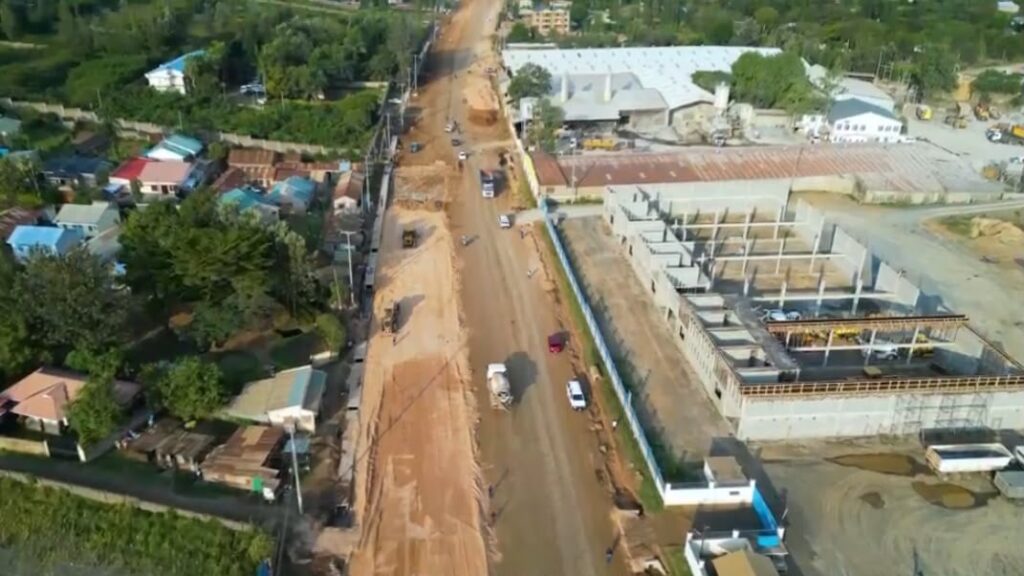
The road has been in poor condition for years. Planning documents prepared before the current reconstruction project had already identified sections of the corridor as badly deteriorated and in need of urgent rehabilitation.
For residents, motorists and businesses operating along the route, the condition of the road has affected travel times, vehicle maintenance and the movement of agricultural produce.
When Did Construction Begin?
The current major reconstruction project began in October 2022.
The main reconstruction covers approximately 63 kilometres, while additional feeder roads and related sections bring the wider project scope to about 122 kilometres.
The project is expected to transform the corridor into a modern road connecting Mamboleo through Miwani, Chemelil and Muhoroni to Kipsitet.
However, progress has not been as smooth as initially expected.
Why Has the Project Taken So Long?
One of the major challenges has been funding.
At different stages, contractors reportedly faced delays in receiving payments, affecting their ability to continue with construction. The challenges contributed to periods when work slowed down or contractors left some sections of the project.
By 2024, the road was still among infrastructure projects awaiting completion, with the government promising to address the outstanding issues.
Construction later resumed after the government moved to settle pending payments and address the financing challenges affecting the project.
How Much Progress Has Been Made?
Despite the delays, construction has continued, although the different sections are progressing at different rates.
The Mamboleo–Miwani section was reported to be about 24 per cent complete, while Miwani–Chemelil had reached approximately 34 per cent.
The Chemelil–Muhoroni–Kipsitet section was around 22 per cent complete.
The government has set July 2027 as the target for completing the major works.
This means motorists and residents along the corridor will still have to contend with ongoing construction for some time before the entire project is delivered.
Why the Road Matters
The importance of the road goes beyond connecting towns.
Once completed, the corridor is expected to provide an alternative route for heavy commercial traffic heading towards Kisumu, helping reduce congestion in parts of the city and around Ahero.
It will also improve the transportation of sugarcane and other agricultural products from farms to processing facilities and markets.
For farmers, a better road could mean shorter travel times, lower vehicle operating costs and more reliable access to markets.
A Gateway to Regional Trade
The road could also strengthen Kenya’s position as a regional trade hub.
Its connection to major transport routes is expected to make it easier for goods to move towards Uganda, Rwanda, Burundi and the Democratic Republic of Congo.
This makes the project important not only for communities along the route but also for businesses involved in agriculture, manufacturing and regional trade.
What Happens Next?
The government and implementing agencies will have to maintain the momentum of construction if the July 2027 completion target is to be achieved.
Beyond construction, authorities will also need to ensure that quality standards are maintained and that communities affected by the works remain properly engaged.
For residents who have waited years for a reliable road, the biggest question is no longer whether the project is necessary. It is whether the current momentum will finally deliver a completed road.
Read Also
- Dr James Mwangi Reveals How Much Kenya Has Achieved Under Vision 2030
After years of poor road conditions and construction delays, the people living along the Mamboleo–Kipsitet corridor are waiting to see whether July 2027 will finally mark the end of a long journey towards a modern road.

