
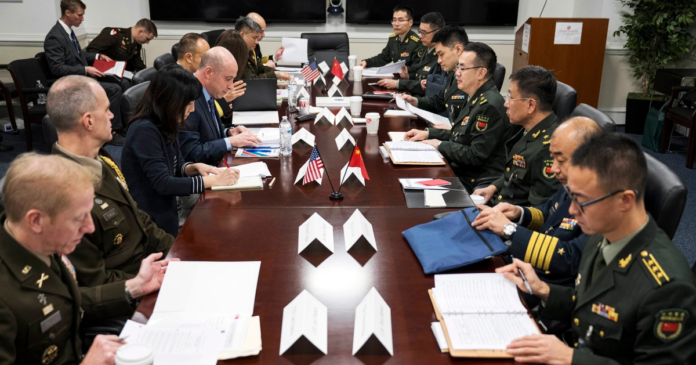
A fresh statement from US President Donald Trump on Taiwan has reignited debate around one of the world’s most sensitive geopolitical flashpoints. Coming shortly after discussions with Chinese leader Xi Jinping, Trump warned against moves toward formal Taiwanese independence comments likely to draw reactions from both Beijing and Taipei.
Highlights
- Trump cautioned Taiwan against declaring formal independence.
- The remarks followed talks with Chinese President Xi Jinping.
- Taiwan says it already functions as a sovereign state.
- The US continues supporting Taiwan’s self-defence capabilities.
- Washington remains caught between backing Taiwan and maintaining ties with China.
Main Story
Trump’s Remarks Raise Questions Over US Position
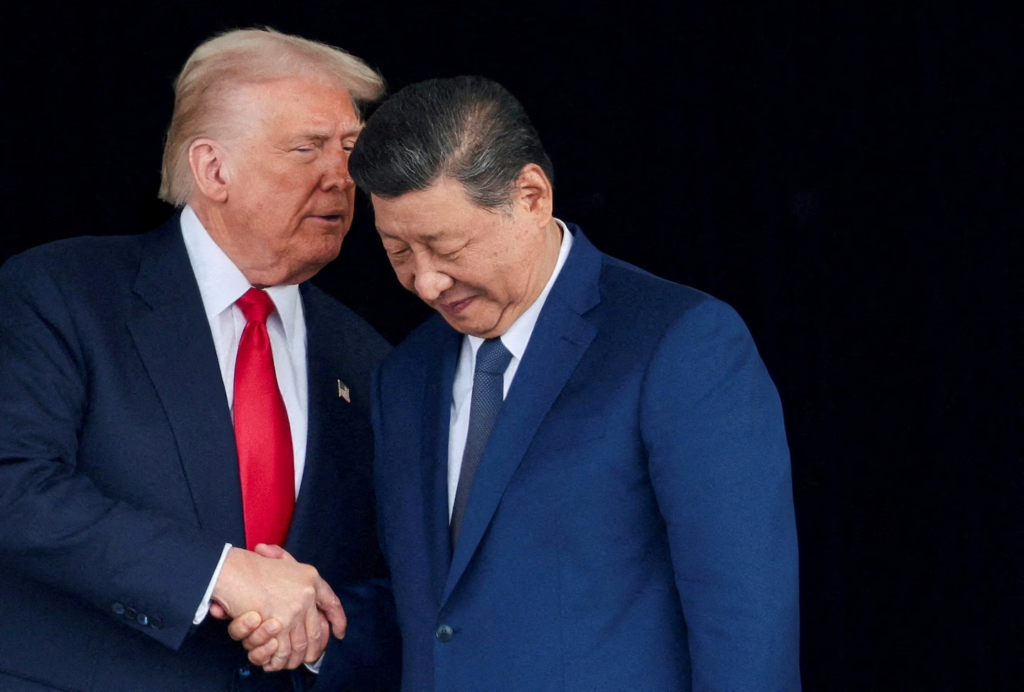
Donald Trump has warned Taiwan against taking steps toward officially declaring independence, reviving long-running tensions surrounding the island’s political status.
His comments came only hours after engagements with Chinese President Xi Jinping, prompting renewed scrutiny over how Washington intends to balance its relationship with both Beijing and Taipei.
Taiwan’s Leadership Maintains Existing Position
Taiwan’s President, Lai Ching-te, has previously maintained that Taiwan does not require a formal declaration of independence because the island already operates as a self-governing entity with its own institutions and democratic leadership.
That stance continues to anger China, which views Taiwan as part of its territory and opposes any move suggesting separate statehood.
The Delicate US-China-Taiwan Triangle
The United States has historically supported Taiwan through security cooperation and remains legally obligated to help provide resources for the island’s defence.
At the same time, Washington has attempted to preserve diplomatic and economic relations with China a balancing act that has often created friction during periods of rising regional tension.
Analysts say statements from influential leaders can significantly impact relations in the region, especially as competition between the US and China intensifies.
Why It Matters
Taiwan remains one of the most sensitive issues in global politics. Any shift in rhetoric from major powers can trigger diplomatic pressure, economic concerns, and wider security implications across Asia and beyond.
In global politics, a few carefully chosen words can shift alliances, unsettle regions, and reshape tomorrow’s headlines.

