
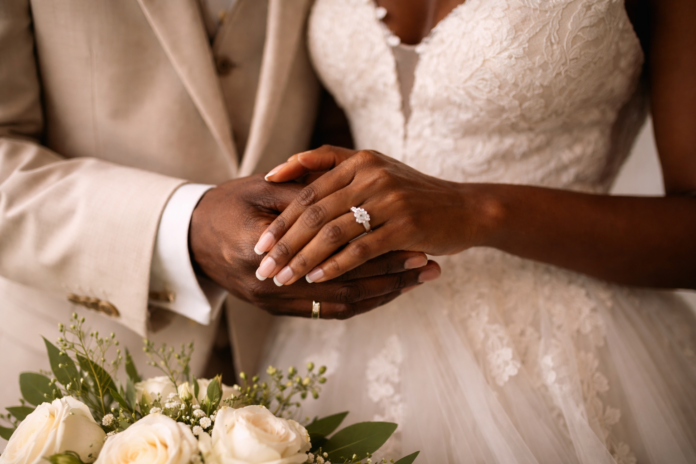
A major new study published in Cancer Research Communications suggests that married adults may face a lower risk of developing cancer compared to those who have never married, but experts say the explanation goes far beyond marital status itself.
Highlights:
- Study analysed nearly 4 million cancer cases
- Data drawn from over 100 million adults in the US
- Never-married individuals showed significantly higher cancer rates
- Experts point to lifestyle, support, and healthcare access as key factors
- Researchers caution: marriage itself is not a direct protective factor
Main Story:
What the Study Found
The large-scale research examined cancer incidence among adults aged 30 and above across 12 US states between 2015 and 2022.
The findings were striking: individuals who had never married faced significantly higher cancer rates than those who were married, divorced, or widowed.
Among men, cancer incidence was up to 70% higher for those never married, while women in the same category saw an even steeper increase of up to 85%.
Not Just About Marriage
Experts are clear, this does not mean marriage itself prevents cancer.
According to Paulo S. Pinheiro, the study’s lead author, marital status often reflects broader life conditions such as financial stability, access to healthcare, and strong social support systems.
These factors can influence:
- Early cancer screening
- Timely medical care
- Adherence to treatment
The Role of Social Support
Specialists say support networks play a critical role in health outcomes.
Jarrod A. Carrol highlighted how family structures can encourage individual, especially men, to seek medical attention earlier, improving chances of early diagnosis and treatment.
This may partly explain why certain groups appeared to benefit more from marriage in the study.
Cancer Types Show Sharp Differences
The research also found notable disparities in specific cancers:
- Anal cancer was significantly higher among never-married men
- Cervical cancer was far more common among never-married women
Both are often linked to infections like the human papillomavirus (HPV), reinforcing the importance of preventive care and screening.
A Longstanding Debate
The findings revive a key question in public health:
Do people become healthier because they are married, or are healthier individuals more likely to get married?
Andrew J. Cherlin notes that declining marriage rates globally make this question even more relevant, especially when considering who may miss out on the benefits tied to social and economic stability.
Systemic Gaps in Care
Some experts argue that healthcare systems themselves may contribute to the disparity.
Joan DelFattore points out that insurance and care structures often favour married individuals, potentially leaving unmarried people at a disadvantage, especially if they lack visible support systems.
What It Means Going Forward
Researchers stress that the takeaway is not “get married for better health,” but rather the importance of:
- Regular health check-ups
- Strong personal support networks
- Equitable healthcare access
Public health efforts, they say, should focus on reaching socially vulnerable groups and ensuring no one is left behind.

