
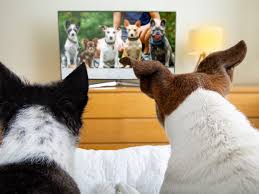
The idea of “TV for dogs” is no longer just a funny internet concept, it’s now a growing industry. From dedicated pet channels to YouTube videos designed specifically for animals, the trend is gaining popularity among pet owners looking to keep their dogs calm, entertained, or less lonely. But while the content is booming, science shows dogs don’t quite “watch TV” the way humans do.
Highlights
- Dog-focused TV content and streaming platforms are rapidly growing
- Shows are designed using colors and sounds dogs respond to
- Many dogs react to moving images, especially other animals
- Attention spans are usually very short, lasting seconds or minutes
- Experts say it’s more stimulation than actual “viewing”
Main Story
A Growing Pet Entertainment Industry
The rise of pet-friendly media has led to platforms like DOGTV, alongside countless YouTube channels and streaming playlists designed specifically for dogs. These services are marketed as a way to reduce boredom, ease separation anxiety, and provide mental stimulation when pets are left alone.
Pet owners often leave screens on for background noise or comfort, and companies have tapped into this demand with curated “dog programming.”
Designed for How Dogs See the World
Unlike human TV, dog-focused content is built around canine perception. Producers use high-contrast visuals—mainly blues and yellows—since dogs don’t see the full colour spectrum like humans.
The videos also feature short clips of moving animals, barking sounds, and natural outdoor motion, all aimed at grabbing a dog’s attention quickly before it fades.
Do Dogs Actually Watch?
Research suggests dogs do react to television, but not in the same way humans engage with shows or movies. Many dogs respond when they see other animals on screen, especially other dogs.
However, their interest is often brief. Some may bark, tilt their heads, or even try to “search” behind the TV, treating the images as real-life objects rather than entertainment.
Studies indicate that while a significant number of dogs show some reaction to screens, their attention usually lasts only a few seconds to a few minutes.
What Science Says Is Really Happening
Experts explain that dogs interact with TV in different ways depending on their personality and environment. Some simply react to movement and sound, while others stay near the screen because their owner is present.
In many cases, the television acts more as background stimulation rather than a focused activity. Others ignore it completely, showing no interest at all.
More About Comfort Than Entertainment
While the idea of dogs “binge-watching” is entertaining, researchers say it’s mostly a human projection. Dogs are responding to stimuli not following storylines or enjoying content the way people do.
Still, for some pets, the sounds and visuals may offer comfort, especially when they are alone at home.
Read Also
- Security Sweep in Meru: Firearm Seized as Three Suspects Nabbed in Laare
- Kenyan Security Chiefs Warned Over Al-Shabaab’s Changing Attack Strategy
- Tanzanian Star Matonya Charged with Rape in Mombasa Court

