
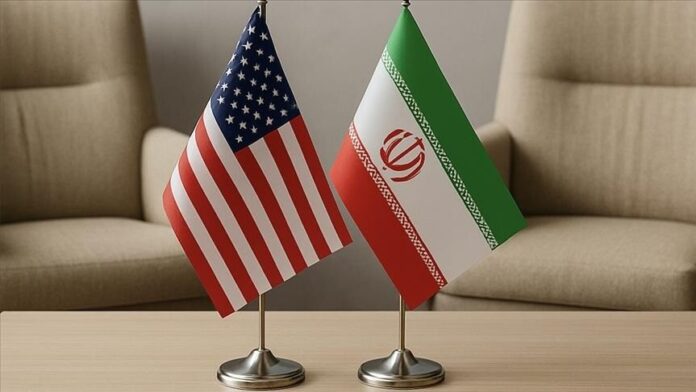
After weeks of rising tension that had the world on edge, the United States and Iran have agreed to a temporary two-week ceasefire offering a brief but crucial pause in a conflict that was fast escalating.
Highlights:
- US and Iran agree to a two-week ceasefire
- Deal reached just before potential major military escalation
- Iran to reopen the Strait of Hormuz
- Global leaders welcome the move cautiously
- Talks expected during the ceasefire period
Main Story:
A Step Back from the Brink
The agreement between the United States and Iran comes after days of heightened tensions that had raised fears of a wider regional conflict. With both sides appearing ready for escalation, the ceasefire marks a significant de-escalation at a critical moment.
The move has been widely seen as a necessary pause to prevent further military action.
Strait of Hormuz Back in Focus
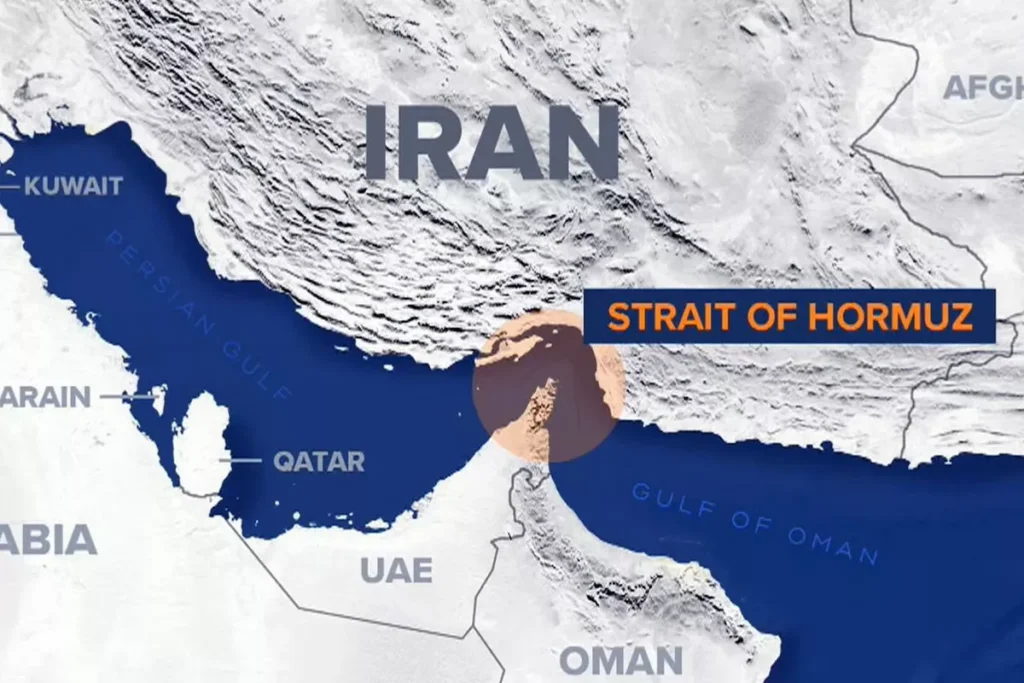
A key part of the deal involves the reopening of the Strait of Hormuz — a vital global shipping route that plays a major role in the movement of oil and gas.
Its closure had been a major concern for global markets, and reopening it is expected to ease economic pressure and restore some level of stability.
A Window for Diplomacy
The two-week ceasefire is not meant to end the conflict entirely, but to create space for dialogue. Negotiations are expected to take place during this period, with hopes of reaching a longer-term solution.
International players have encouraged both sides to use this window wisely and avoid actions that could reignite tensions.
A Fragile Pause
Despite the breakthrough, the situation remains uncertain. The ceasefire is temporary, and both sides are still navigating deep-rooted disagreements.
Experts warn that without meaningful progress, the conflict could easily resurface once the two-week period ends.
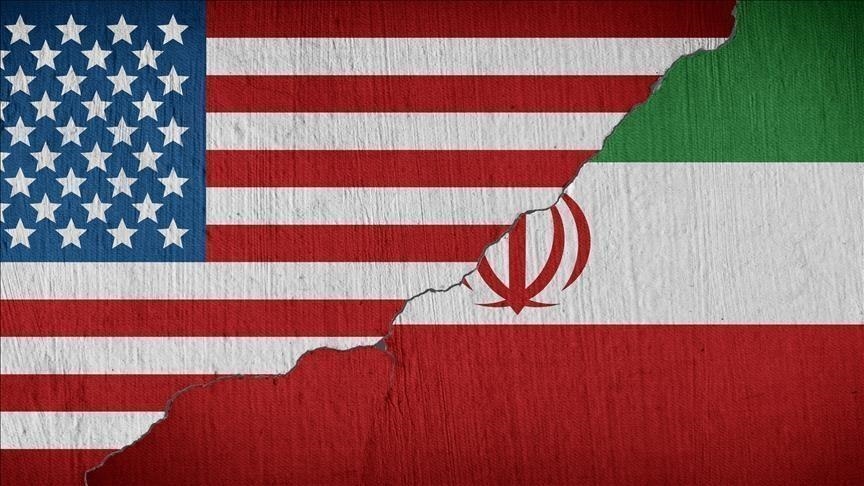
For now, the world exhales but the real question is whether this pause can turn into lasting peace.
Read Also:
- Nigerian army rescues 31 held hostage in Easter church attack
- Inside Offset Shooting: What Happened at the Florida Casino

