
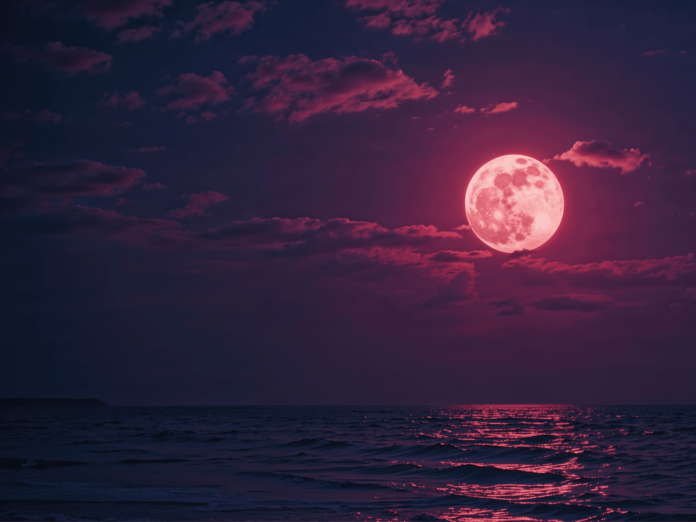
Every April, the “Pink Moon” lights up the night sky, sparking curiosity and confusion in equal measure. Despite its name, this full moon doesn’t actually glow pink but its meaning is deeply rooted in nature, culture, and centuries-old traditions.
Highlights:
- The Pink Moon is April’s full moon, named after seasonal flowers
- It does not actually appear pink in color
- The name comes from pink phlox flowers that bloom in spring
- It plays a role in determining Easter and Passover dates
- Different cultures have their own names tied to seasonal changes
Main Story:
Why Is It Called the Pink Moon?
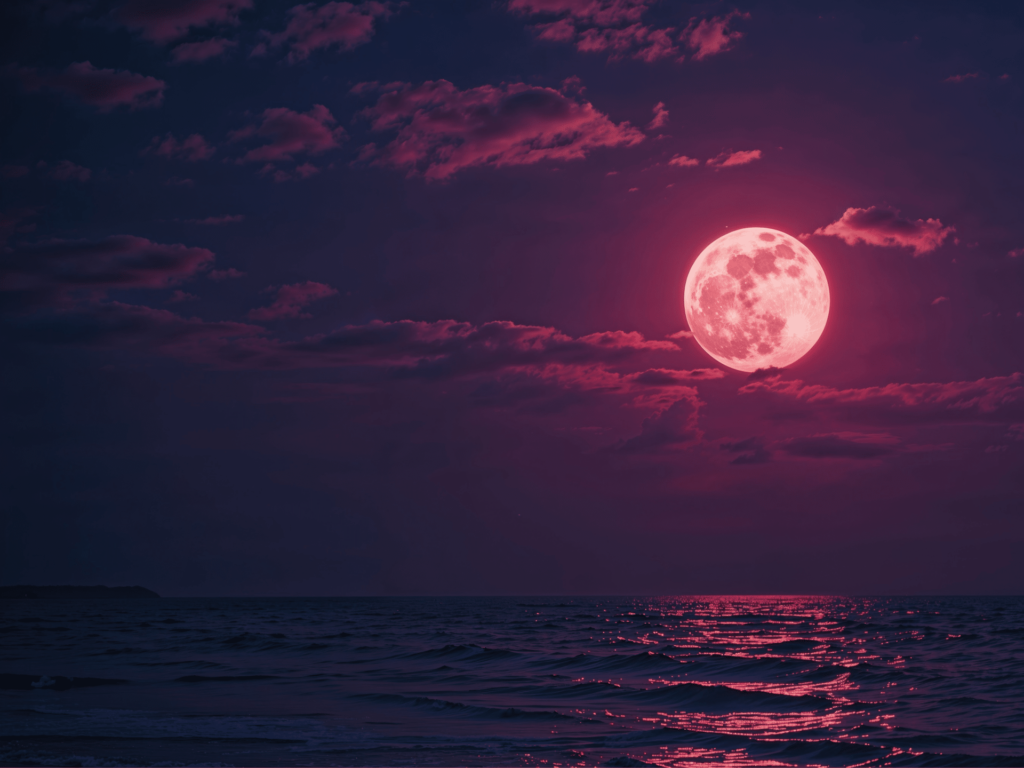
The name “Pink Moon” has nothing to do with the moon’s color. Instead, it comes from the blooming of a wildflower known as moss pink, or phlox, which spreads across parts of North America during early spring.
Long before modern calendars, communities relied on nature to track time. Naming full moons after seasonal events like blooming flowers or animal behavior helped people stay in sync with the changing months.
Does It Ever Look Pink?
Not really. While the name suggests a rosy glow, the moon typically appears golden or orange, especially when it rises.
This happens because of Earth’s atmosphere. When the moon is low on the horizon, its light travels through a thicker layer of air. Shorter wavelengths like blue and violet are scattered, leaving behind warmer tones like orange and red.
A Moon That Shapes Religious Calendars
April’s full moon isn’t just symbolic it’s also functional. It helps determine the dates for major religious events like Easter and Passover.
Easter, for instance, is celebrated on the first Sunday after the first full moon following the spring equinox. That makes the Pink Moon a key marker in global traditions.
Other Names Around the World
The Pink Moon goes by many different names depending on culture and region. Some of the most popular include:
- Sprouting Grass Moon – marking new plant growth
- Egg Moon – symbolizing fertility and new life
- Fish Moon – tied to fish migration seasons
- Breaking Ice Moon – signaling the end of winter
All these names reflect one thing: the transition into spring and renewal.
Myth or Reality?
The idea of a pink-colored moon is more myth than reality. While rare atmospheric conditions can slightly tint the moon, it never truly turns bright pink.
What’s real, however, is the cultural and historical significance behind the name a reminder of how closely humans once lived in tune with nature.
The Pink Moon may not paint the sky pink, but its story is a beautiful reminder that nature has always been our oldest calendar.

