
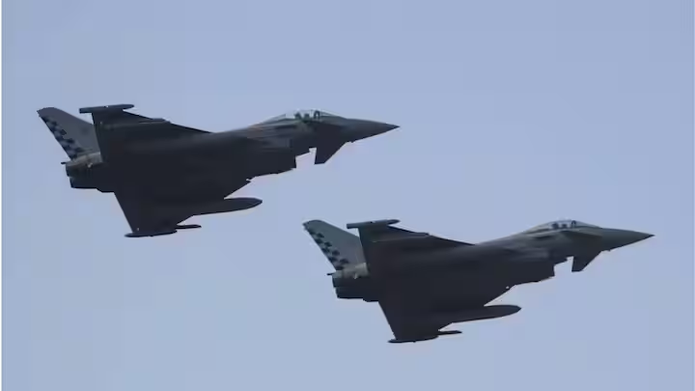
The United Kingdom is preparing to strengthen Saudi Arabia’s air defences with RAF Typhoon fighter jets and additional military support amid escalating missile and drone threats from Yemen’s Houthi movement. The deployment is intended to protect Saudi cities and critical infrastructure, as growing instability in the region raises concerns over civilian safety, energy supplies and the cost of living.
Highlights
- The UK plans to deploy RAF Typhoon jets for defensive operations in Saudi Arabia.
- British military advisers and an RAF A400M transport aircraft will also support the mission.
- Existing UK assistance includes air-defence equipment and aerial refuelling support.
- The move follows reported Houthi attacks targeting Riyadh and Saudi energy infrastructure.
- Britain says its aircraft will defend against aerial threats rather than conduct offensive strikes against the Houthis.
Main Story
UK Strengthens Saudi Arabia’s Air Defences
The United Kingdom has announced additional military assistance for Saudi Arabia as concerns grow over missile and drone attacks attributed to Yemen’s Houthi movement.
The planned deployment will involve Royal Air Force Typhoon fighter jets operating in a defensive capacity to help protect Saudi population centres and important infrastructure.
According to the statement attributed to UK Defence Secretary Wes Streeting, the aircraft will not be used to launch offensive attacks against Houthi positions.
The announcement signals an expansion of Britain’s support for Saudi Arabia as the security situation across the region continues to deteriorate.
Riyadh and Energy Infrastructure Face Security Concerns
The decision follows reports of attacks targeting Saudi Arabia’s capital, Riyadh, alongside facilities linked to the country’s energy sector.
The supplied report attributes strikes on 10 and 11 October to the Houthis, including attacks involving King Khalid International Airport. The reported casualties and circumstances surrounding those incidents could not be independently established from the information provided.
The Houthis, an armed movement based in Yemen, are engaged in a prolonged conflict with Yemen’s internationally recognised government, which has received support from Saudi Arabia.
The group has also carried out attacks in the wider region as part of a conflict that has drawn in regional and international actors.
More British Military Personnel and Equipment
Alongside the fighter jets, the UK plans to send military advisers and an RAF A400M transport aircraft to assist with moving defence equipment within Saudi Arabia.
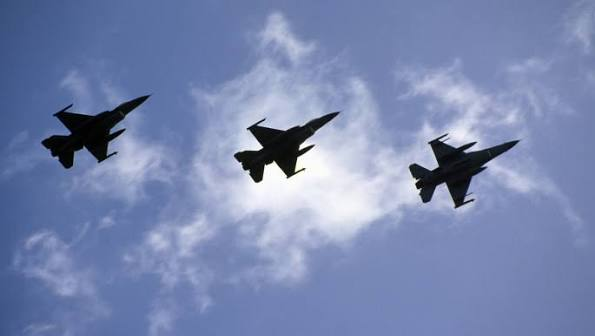
Britain has already been providing equipment intended to help the kingdom counter aerial threats. It has also supported defensive Saudi operations through air-to-air refuelling, with that arrangement reportedly extended by another 90 days.
The additional assistance is intended to strengthen Saudi Arabia’s ability to respond to incoming aerial attacks while supporting the movement of essential military supplies.
UK Raises Alarm Over Regional Escalation
Streeting reportedly described the targeting of Riyadh airport as evidence of an increasingly dangerous situation, explaining that the latest decision was intended to reinforce Saudi Arabia’s defensive capabilities.
The British government has also raised concerns about the wider economic consequences of instability in the Gulf.
Disruptions to regional security can affect energy production and transportation, potentially putting pressure on fuel prices, household budgets and operating costs for businesses.
For countries and consumers that depend on international energy markets, prolonged instability can have consequences far beyond the immediate conflict zone.
Houthis Signal Further Operations
The supplied report says Houthi military spokesperson Brigadier General Yahya Saree had vowed to continue operations targeting locations deep inside Saudi Arabia.
Such statements add to concerns that further attacks could intensify the security crisis and increase pressure on countries supporting regional defence efforts.
Britain’s stated approach centres on protecting Saudi Arabia from aerial threats rather than conducting offensive strikes against the Houthi movement.
As the situation develops, the balance between regional security, civilian protection and the risk of a wider conflict remains a major concern.
The planned deployment highlights the growing international security implications of the Yemen conflict. Whether additional defensive support can reduce the threat to civilians and critical infrastructure will depend on how the situation evolves in the coming weeks.
As regional tensions rise, the challenge for world leaders remains protecting civilians and critical infrastructure without allowing another conflict to spiral further out of control.

