
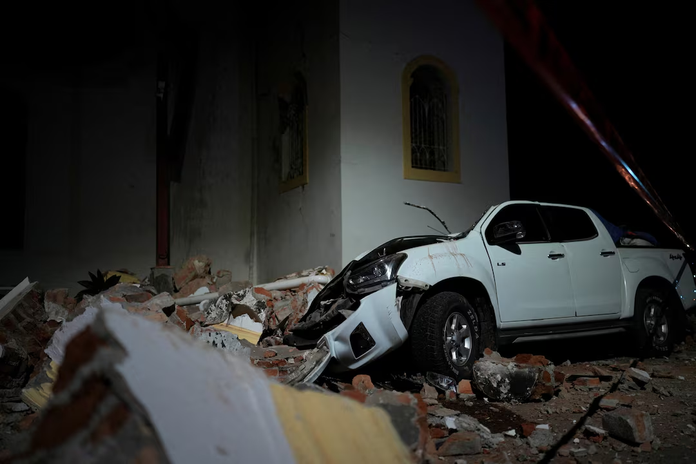
A powerful magnitude 7.7 earthquake has struck Panama, damaging buildings, cracking homes and sending frightened residents rushing into the streets. The tremor, which affected millions of people across the country, left parts of several towns with visible structural damage and raised concerns about the possibility of further destruction from aftershocks. Although tsunami alerts were initially issued for countries in the surrounding region, authorities later confirmed that no tsunami threat existed.
Highlights
- A magnitude 7.7 earthquake struck south-central Panama, according to the report.
- An estimated 4.6 million people experienced moderate to severe shaking.
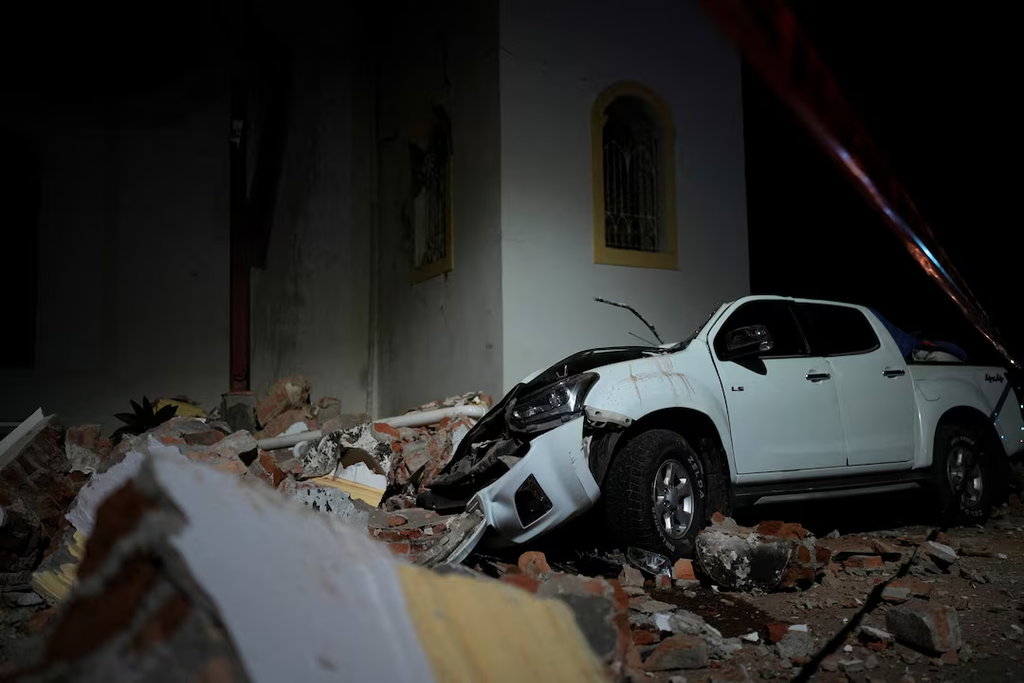
- Buildings, including a cathedral and a hotel, reportedly suffered significant damage.
- Residents evacuated buildings in Panama City as authorities assessed the situation.
- Tsunami warnings were withdrawn after officials confirmed there was no threat, while the Panama Canal continued operating normally.
Main Story
Powerful Earthquake Strikes South-Central Panama
Panama has been shaken by a major earthquake that caused widespread tremors and damaged buildings across several communities.
According to the US Geological Survey (USGS), the earthquake registered magnitude 7.7, with its epicentre located approximately 10 kilometres from Pitaloza Arriba in south-central Panama.
The tremor struck shortly before 3pm local time on Friday, with the USGS estimating that around 4.6 million people experienced moderate to severe shaking.
The earthquake occurred at a depth of approximately 12 kilometres, a relatively shallow depth that can increase the potential for destructive shaking at the surface.
Authorities are still assessing the full extent of the damage, with reports and footage from affected areas showing the impact on homes and other structures.
Buildings Collapse as Residents Fear Further Destruction
Images and videos shared online appeared to show collapsed buildings in Penonomé and Soná, where residents were left concerned about people who might have been trapped beneath the rubble.
Verified footage also showed damage to a cathedral in Penonomé, including the collapse of one side of the structure and one of its spires. Another video appeared to show a local hotel that had suffered extensive structural damage.
In Herrera province, residents reported damage to their homes following the tremor.
Ricardo Brown, a 74-year-old resident of Las Minas, told Reuters that several houses in his neighbourhood had been affected. He expressed concern that cracks in his own home could put him and his elderly companion at risk.
Despite the alarming reports and visible destruction, no casualties had been reported at the time of the initial account.
The situation remained uncertain as authorities continued examining damaged buildings and monitoring activity following the main earthquake.
Aftershocks Raise Concerns
Several significant aftershocks were reported near the earthquake’s epicentre, raising concerns that already weakened structures could sustain further damage.
Aftershocks can pose additional risks following a major earthquake, particularly where buildings have developed cracks or suffered partial collapses.
Residents in affected communities face the challenge of determining whether their homes and workplaces remain safe to enter as assessments continue.
The combination of structural damage and continuing seismic activity has made it important for authorities to monitor the situation closely and provide safety guidance to residents.
Panama City Residents Evacuate Buildings
The effects of the earthquake were also felt in Panama City, approximately 200 kilometres from the reported epicentre.
People were seen leaving buildings and gathering in streets and nearby parks as they waited for the shaking to stop.
Initial reports suggested that damage in the capital was relatively limited, with debris falling from rooftops among the reported effects.
The evacuations highlighted the widespread concern caused by the tremor, even in areas farther from its epicentre.
Panamanian President José Raúl Mulino said government agencies were mobilising to respond to the emergency. He also urged the public to avoid creating unnecessary panic or disorder as the situation unfolded.
Tsunami Threat Ruled Out
The earthquake initially prompted tsunami warnings for 11 countries in the region, reflecting concerns about the potential impact of a major seismic event.
However, the US Tsunami Warning System later confirmed that there was no tsunami threat.
The announcement provided reassurance to coastal communities that had been monitoring developments following the earthquake.
Meanwhile, the Panama Canal Authority confirmed that the earthquake had not disrupted operations along the strategic waterway connecting the Atlantic and Pacific oceans.
The canal is a critical route for international shipping, making confirmation of its continued operation significant for global maritime traffic.
Earthquake Strikes Ahead of National Evacuation Drill
The earthquake occurred just three days before Panama was scheduled to conduct a nationwide evacuation exercise designed to prepare the public for a major seismic emergency.
The timing has drawn attention to the importance of emergency preparedness, particularly in communities vulnerable to earthquakes and other natural disasters.
Evacuation drills can help residents understand where to go, how to respond to warnings and how to reduce risks during emergencies.
The disaster also comes amid a period of seismic activity in the wider region, following major earthquakes reported in Colombia and Venezuela earlier in the year.
As assessments continue in Panama, the immediate priorities remain establishing the full extent of the damage, checking for possible casualties and ensuring residents stay clear of unsafe structures.
When the ground beneath us becomes unpredictable, preparedness and solidarity matter most. In the aftermath of a disaster, every safe evacuation and every life protected counts.

