
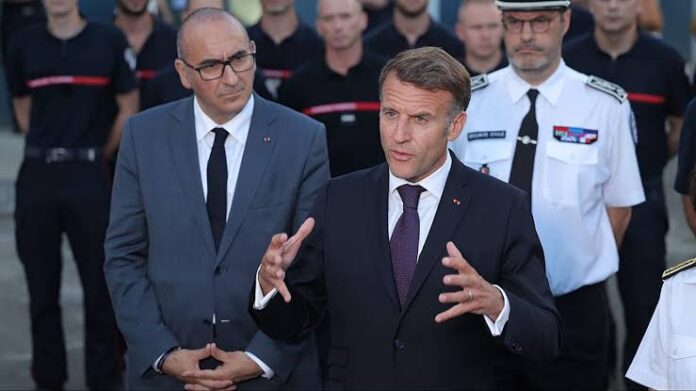
French President Emmanuel Macron is facing mounting pressure following a wave of violent demonstrations over the cost of living that left thousands arrested and nearly 1,000 security officers injured. Despite acknowledging shortcomings in intelligence and security planning, Macron has refused to accept the resignation of Interior Minister Laurent Nuñez, insisting that experienced leadership is needed as authorities respond to the crisis.
Highlights
- Macron acknowledged failures in intelligence and preparations ahead of the unrest.
- Nearly 2,400 people were arrested during Saturday’s demonstrations, according to the Interior Ministry.
- Almost 1,000 police officers and gendarmes were reportedly injured.
- Interior Minister Laurent Nuñez offered his resignation, but Macron rejected it.
- The president has ordered greater transparency and changes to security operations.
Main Story
Macron Acknowledges Security Failures After Protests
French President Emmanuel Macron has admitted that failures in intelligence gathering and preparations contributed to the challenges authorities faced during violent demonstrations across France.
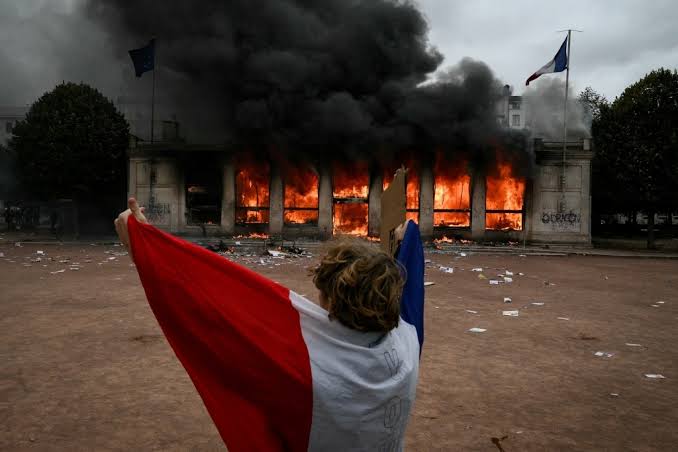
The protests, which began amid public anger over the cost of living, escalated into widespread confrontations between demonstrators and security forces. Reports also described looting, fires and clashes in several parts of the country.
The scale of the unrest has placed the government’s handling of public security under scrutiny, with opposition politicians demanding accountability from senior officials.
Macron has acknowledged the shortcomings while directing the relevant authorities to examine what went wrong and improve their response to future demonstrations.
Nearly 2,400 Arrested as Violence Spreads
According to figures released by France’s Interior Ministry, nearly 2,400 people were arrested on Saturday as unrest spread across the country.
Almost 1,000 police officers and gendarmes were also reported injured during confrontations with protesters.
The violence, described in reports as among the most serious episodes of urban unrest France has experienced in years, included attacks, fires and the looting of businesses.
The demonstrations have intensified debate about the government’s response to the cost-of-living crisis and the measures authorities should take to maintain public order while managing protests.
Macron Rejects Interior Minister’s Resignation
Interior Minister Laurent Nuñez reportedly submitted his resignation to the president on Sunday amid calls from opposition politicians for him to leave office.
However, the Élysée Palace confirmed that Macron had declined to accept it, arguing that continuity in leadership was necessary while security agencies dealt with the situation.
The decision keeps Nuñez in his position despite mounting criticism over the handling of the demonstrations.
Macron has instead directed the minister to ensure a transparent review of the intelligence and planning failures identified during the unrest.
President Orders Changes to Security Operations
Beyond the review, Macron has instructed Nuñez to introduce new operational approaches for security forces.
The measures are intended to address weaknesses in how authorities prepare for and respond to large-scale demonstrations, particularly when protests escalate into violence.
The government now faces the challenge of restoring public confidence, protecting communities and businesses, and ensuring security agencies are better prepared for future unrest.
The episode also highlights the pressure facing French leaders as economic frustrations spill onto the streets and questions grow over the effectiveness of existing public-order strategies.
When public frustration reaches the streets, governments face two urgent responsibilities: maintaining public safety and addressing the concerns that brought people out to protest in the first place.

