
At least 12 people have died and hundreds have been left homeless in Peru as forest fires spread across the South American country amid soaring temperatures and dry conditions linked to El Niño. Authorities say hundreds of fires have been recorded in recent months, destroying homes, farmland and vast areas of natural vegetation, with the hardest-hit areas including the Cusco region, home to the famous Inca citadel of Machu Picchu.
The disaster has raised fresh concerns about the impact of extreme weather conditions on rural communities, livelihoods and the environment.
Highlights
- Forest fires have killed 12 people in Peru since June, according to emergency authorities.
- A total of 457 fires were recorded between June and October.
- More than 1,000 hectares of farmland and approximately 12,000 hectares of natural vegetation have been affected.
- Hundreds of people have been left homeless after around 100 homes were destroyed.
- High temperatures and dry conditions associated with El Niño have contributed to the rapid spread of the flames.
Main Story
Forest Fires Claim 12 Lives Across Peru
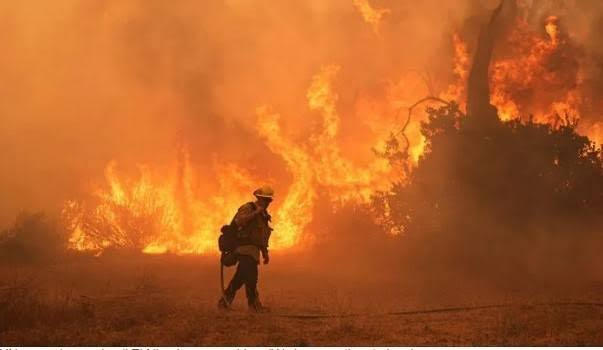
Peru is grappling with a wave of destructive forest fires that have claimed 12 lives since June, according to the country’s National Emergency Operations Center (COEN).
Officials said most of those who died were farmers who suffered fatal injuries while attempting to contain the flames. The fires have also displaced hundreds of people, leaving families without homes.
Between June and October, emergency authorities documented 457 forest fires across the country, highlighting the scale of the challenge facing communities and firefighting teams.
Cusco Among the Worst-Hit Regions
The Cusco region has experienced some of the most severe effects of the fires. Earlier in October, a blaze broke out near Machu Picchu, the historic Inca citadel and one of Peru’s most recognised tourist attractions.
The destruction has extended beyond residential areas, with fires consuming more than 1,000 hectares of farmland and destroying approximately 100 homes.
A further 12,000 hectares of natural vegetation have reportedly been burned, raising concerns about the damage to ecosystems and the livelihoods of communities that depend on the land.
As of Wednesday, seven fires were still active across the Andes and the Peruvian Amazon, according to COEN.
How El Niño Is Making the Fires Worse
Scientists say unusually hot temperatures and a lack of moisture have created conditions that allow flames to spread rapidly.
Daniel Valle, a biologist at the Scientific University of the South in Lima, explained that El Niño has contributed to a widespread mass of hot, dry air over Peru.
El Niño is a naturally occurring climate phenomenon characterised by warmer-than-average sea surface temperatures in parts of the equatorial Pacific Ocean. It can disrupt normal weather patterns, influencing rainfall, winds and temperatures in different parts of the world.
In Peru, the dry conditions have made vegetation more vulnerable to ignition, allowing fires to spread through farmland and surrounding natural areas.
Farming Practices Also Contribute to the Fires
Beyond the weather, agricultural land-clearing practices have also been identified as a source of some fires.
Farmers sometimes burn brush and other vegetation to prepare fields for planting. However, when temperatures are high and the surrounding vegetation is dry, fires can escape their intended boundaries and spread into nearby communities or forests.
The combination of dry weather and uncontrolled flames can make containment difficult, particularly in areas where people attempt to fight fires without adequate equipment or specialised training.
The deaths of farmers trying to extinguish the blazes underscore the dangers faced by rural residents during such emergencies.
Global Concerns as El Niño Approaches Its Peak
The impacts of the current El Niño conditions are not limited to Peru. Other regions have also experienced severe weather-related challenges, including drought that threatens wildlife and communities in parts of Central America.
Forecasts cited in the report suggest that the current strong El Niño event is expected to reach its peak in December, raising concerns about how its effects could develop in the coming months.
However, the precise impact will depend on regional weather patterns and how temperatures and rainfall evolve.
For Peru, the immediate priorities remain protecting lives, containing active fires and supporting families whose homes and livelihoods have been destroyed.
As the climate grows more unpredictable, protecting lives and livelihoods will depend not only on fighting fires when they start, but also on preparing communities for the conditions that allow disasters to spread.

