
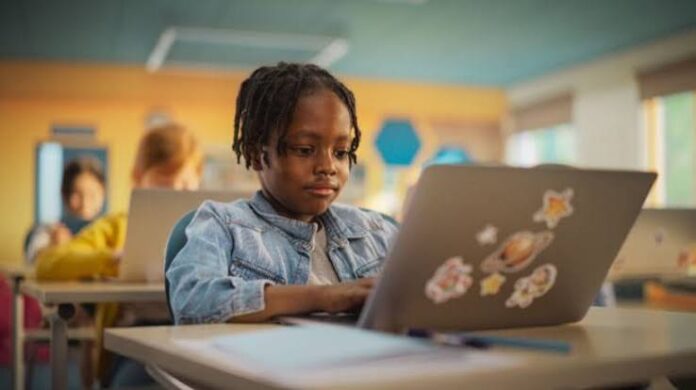
Education is often associated with classrooms, exams and certificates, but its value extends far beyond academic achievement. It equips people with knowledge, skills and confidence while opening doors to opportunities that can shape their personal, professional and social lives. Whether learned in school, through training or independently, education remains an important foundation for long-term growth.
Highlights
- Education develops knowledge, practical skills and critical thinking.
- Learning can improve access to career and economic opportunities.
- Education encourages confidence and independent decision-making.
- Learning does not have to stop after graduation.
- A strong education system can contribute to wider social and economic development.
Main Story
Education Is More Than a Certificate
For many people, education is closely linked to earning a degree, diploma or certificate. While academic qualifications can play an important role in career development, education itself is much broader.
Learning helps people understand the world around them, communicate effectively and make informed decisions.
From learning how to manage money to understanding technology and developing professional skills, knowledge gained throughout life can influence everyday choices.
Building Critical Thinking Skills
One of the most important benefits of education is the ability to think critically.
Instead of simply accepting information, educated individuals can learn to ask questions, examine evidence and consider different perspectives before reaching conclusions.
These skills are particularly valuable in the digital age, when people are constantly exposed to information through social media, websites and other platforms.
Knowing how to distinguish reliable information from misleading claims can help people make better decisions.
Education and Career Opportunities
Education can also expand career possibilities.
Formal qualifications may be required for certain professions, while technical training and practical skills can prepare people for careers in areas such as technology, healthcare, business, construction, creative industries and many others.
However, the learning process does not end when someone leaves school or university.
As workplaces change, professionals increasingly need to update their skills and adapt to new technologies and working methods.
Learning Beyond the Classroom
Education can happen almost anywhere.
Online courses, professional training, books, mentorship, workshops and practical experience can all contribute to personal development.
For young people entering the job market, learning additional skills such as digital literacy, communication, financial management or entrepreneurship can complement formal education.
The ability to keep learning can become an advantage as industries and career requirements evolve.
Education and Personal Development
Education can also influence how people see themselves and the world around them.
Learning new subjects can build confidence and encourage curiosity. It can help individuals discover interests, identify strengths and develop goals for the future.
Education can also teach important life skills, including communication, teamwork, problem-solving and responsible decision-making.
The Wider Impact on Society
The benefits of education extend beyond individuals.
Communities with greater access to quality education can develop stronger economies and create more opportunities for people to participate in social and civic life.
Education can also help people understand their rights and responsibilities and participate more effectively in their communities.
For countries such as Kenya, expanding access to quality education remains important for developing a skilled workforce capable of contributing to economic growth and innovation.
Why Lifelong Learning Matters
The idea that education ends after graduation is increasingly outdated.
Technology and workplaces continue to change, meaning that people may need to learn new skills several times throughout their careers.
Lifelong learning does not necessarily mean returning to university. It can be as simple as reading regularly, taking an online course, attending a workshop or learning a new practical skill.
What matters is maintaining a willingness to grow.
Education may begin in a classroom, but its impact can continue throughout a person’s life. Whether it leads to a career opportunity, a better decision, a new skill or a fresh perspective, every meaningful learning experience can contribute to a stronger future.
The most valuable lesson is often not what we learn for an exam, but what we continue learning long after the exam is over.

