
Three years after the discovery of mass graves in Shakahola Forest shocked Kenya and drew international attention, a Mombasa court is expected to deliver its verdict in the murder trial of self-proclaimed preacher Paul Mackenzie and his associates. The accused face 191 murder counts linked to an alleged starvation cult, in a case that has renewed debate about religious oversight, the protection of vulnerable followers and accountability for one of the country’s most devastating tragedies.
Highlights
- Paul Mackenzie and his associates are facing 191 murder counts and have denied the charges.
- Prosecutors allege followers were encouraged to fast to death in the belief they would meet Jesus.
- More than 400 bodies have been recovered from Shakahola and surrounding areas, according to reports.
- More than 120 witnesses testified during the murder trial.
- The case has intensified calls for stronger scrutiny of religious organisations in Kenya.
Main Story
Court Set to Rule in Shakahola Massacre Case
The long-running murder trial linked to the Shakahola Forest tragedy is reaching a major turning point, with a Mombasa court expected to issue its verdict on Monday.
Mackenzie and his co-accused pleaded not guilty to 191 murder charges in 2024. The case centres on deaths allegedly connected to extreme fasting among followers of the preacher’s religious movement.
The proceedings have drawn attention from across Kenya, while families of victims were expected to travel from coastal communities to attend the court session.
Prosecution Alleges Followers Were Urged to Starve
According to the prosecution, Mackenzie encouraged followers to stop eating in preparation for what they believed would be a meeting with Jesus. Investigators allege that the deaths occurred within a highly organised system operating at a ranch in Shakahola Forest.
More than 120 witnesses gave evidence about events believed to have taken place between 2021 and 2023 on the approximately 800-acre property.
Prosecutors have also presented post-mortem and police evidence concerning the deaths of children. They allege that victims died through starvation and other forms of physical harm, including asphyxia and traumatic injuries.
Mackenzie’s lawyers, however, have challenged the strength of the prosecution’s case. The defence has argued that the evidence relies heavily on circumstantial accounts, hearsay and forensic findings they consider inconclusive.
The accused have also faced separate manslaughter and terrorism cases, in which Mackenzie has pleaded not guilty.
Discovery of Mass Graves Exposed Scale of Tragedy
The case came to national attention in April 2023, when Mackenzie was arrested after authorities were alerted to followers who needed help. Subsequent searches in the forest uncovered numerous shallow graves, revealing the scale of the suspected deaths.
The recovery operation became so extensive that it was temporarily interrupted after local mortuaries struggled to accommodate the bodies.
The Kenya National Commission on Human Rights reported a death toll of 429 in 2024. Further discoveries have been reported since then, including 52 bodies linked to additional charges brought against Mackenzie in January. Some victims have yet to be identified.
The growing number of recoveries has left many families facing uncertainty over the fate of their missing relatives.
Mackenzie’s History With Authorities
Mackenzie established the Good News International Church in 2003, building a following through branches in Nairobi and along the Kenyan coast. He later said he had closed the church in 2019.
His encounters with law enforcement predated the Shakahola investigation. He was arrested in 2017 over allegations of radicalisation but was acquitted. In 2019, he was arrested again following the deaths of two children from starvation in Shakahola.
The later discovery of mass graves prompted widespread concern about how the alleged activities continued and whether earlier warning signs had been adequately addressed.
Calls for Tighter Oversight of Religious Organisations
The tragedy has sparked national debate about the balance between freedom of worship and the need to protect people from exploitation or dangerous practices carried out under religious authority.
For many Kenyans, the case raises difficult questions about the responsibility of religious leaders, the role of law enforcement and the safeguards available to people who may be vulnerable to manipulation.
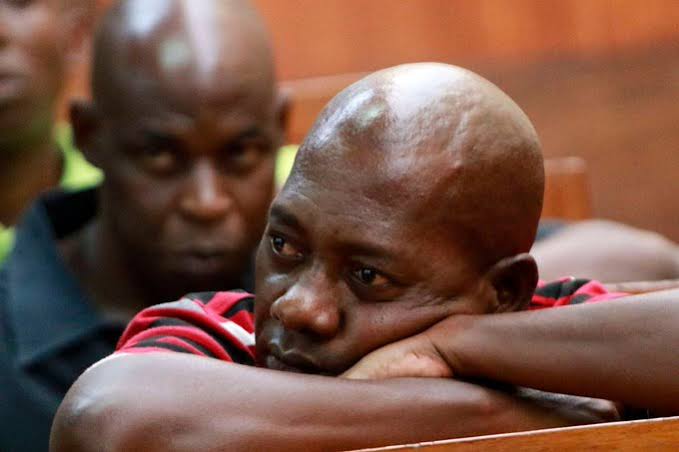
The court’s decision is expected to be a significant moment for the victims’ families. However, the broader questions surrounding oversight and prevention are likely to remain part of the public conversation long after the verdict.
The Shakahola case is a painful reminder that faith should never come at the cost of human life and that protecting the vulnerable must remain a collective responsibility.

