
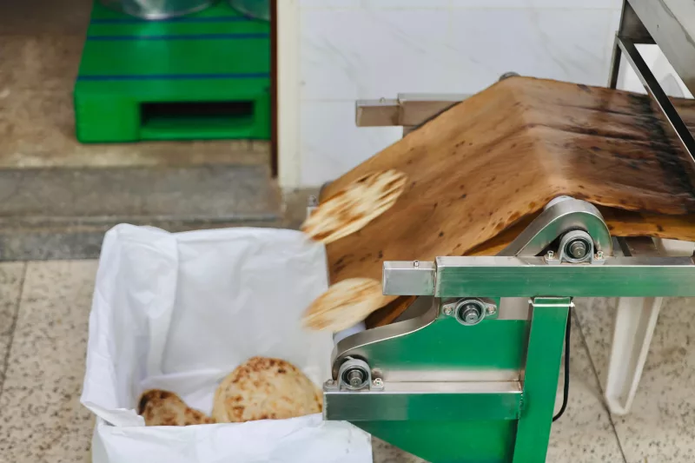
Chapati is officially joining the menu for learners under Nairobi’s Dishi na County school feeding programme, following the installation of a new machine capable of producing up to 2,000 chapatis every hour. The development comes as the county programme closes in on serving its 100 millionth meal this term.
Highlights
- Chapati has been added to Nairobi’s Dishi na County school feeding programme.
- The new machine can produce up to 2,000 chapatis per hour.
- More than 324,000 learners currently benefit from the programme.
- Dishi na County has served over 85 million meals since its launch.
- The programme is expected to surpass 100 million meals this term.
Main Story
Chapati Joins Dishi na County Menu
Nairobi learners benefiting from the Dishi na County school feeding programme will now have chapati included in their meals.
The new chapati-making machine has been installed at the Toi Primary Kitchen, where it will support the county’s efforts to provide meals to thousands of pupils across the city.
According to the county government, the machine can produce approximately 2,000 chapatis every hour.
Schools to Have Scheduled Chapati Days
With more than 324,000 learners enrolled in the feeding programme, Nairobi County says distribution will be carefully coordinated.
Schools will receive chapatis according to a feeding timetable, with each institution assigned specific days.
Governor Johnson Sakaja said the scheduling system will help ensure that all participating schools are adequately supplied.
“We have 324,000 pupils to serve. A timetable has been put in place, and each school will have its day to enjoy chapatis,” he said.
Programme Nears 100 Million Meals
The chapati addition comes as Dishi na County approaches a major milestone.
The programme has served more than 85 million meals since its launch three years ago and is projected to cross the 100 million-meal mark during the current school term.
Sakaja described the milestone as a significant achievement for an initiative that initially faced scepticism, political criticism and legal challenges.
He said the programme has helped address hunger-related challenges that previously affected school attendance.
Meals Provided at Sh5
Under Dishi na County, participating learners receive subsidised meals at a cost of Sh5.
The programme is designed to ensure that hunger does not prevent children from attending school or concentrating in class.
According to the governor, some children have even been able to take food home, highlighting the wider impact the programme has had on families.
Next Phase to Target Secondary Schools
The county is also looking beyond primary schools as it prepares to expand the feeding programme.
Public day secondary schools have been identified as the next major area for expansion, while officials are also developing plans to reach learners in schools serving informal settlements.
Deputy Governor Silantoi Supeyo said the addition of chapati comes at an important moment for the programme.
Beyond the approaching 100 million-meal milestone, she said, the focus remains on the hundreds of thousands of children relying on the programme for a meal during the school day.
Learners Excited About Chapati
At Toi Primary Kitchen, the introduction of chapati has already generated excitement among pupils.
Kitchen manager Angela Muchai said learners have responded positively to the new addition, particularly because chapati is a familiar favourite for many families.
For the pupils, the change may seem simple, but having chapati added to their school meals brings variety and something extra to look forward to during lunchtime.
As Dishi na County approaches 100 million meals, the programme is now entering its next chapter — with more learners, more schools and a new favourite on the menu.
A plate of chapati may look simple, but for a hungry learner, it can make the difference between struggling through the school day and learning with a full stomach.

