
Wars and international conflicts may seem like distant events happening in other parts of the world, but their effects often reach millions of people far beyond the battlefield. From rising food prices and fuel shortages to disruptions in travel, technology and the global economy, conflicts between nations have a ripple effect that touches everyday life across the globe.
Highlights
- Global conflicts often drive up food and fuel prices.
- Supply chains can be disrupted, causing shortages of goods.
- International travel and tourism are frequently affected.
- Financial markets become unstable during major conflicts.
- Humanitarian crises force millions of people to flee their homes.
Main Story
Higher Cost of Living
One of the first impacts of international conflict is the rising cost of living. Countries involved in wars often produce essential goods such as oil, natural gas, wheat or fertilizers. When production or transportation is disrupted, prices increase worldwide.
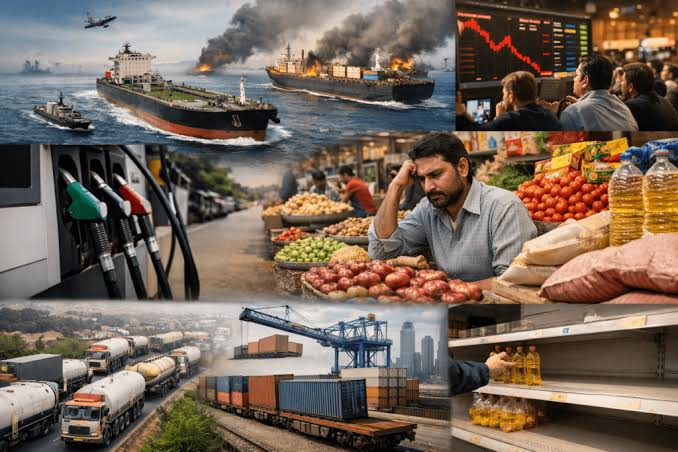
As fuel prices rise, transportation becomes more expensive, leading to higher costs for groceries, public transport and household goods.
Food Supply Challenges
Many countries rely on imports for food. When conflict interrupts farming, exports or shipping routes, supermarkets may experience shortages, while staple foods become more expensive.
Families around the world often feel the impact through increased grocery bills, even if they live thousands of kilometres away from the conflict.
Economic Uncertainty
Global conflicts create uncertainty in financial markets. Investors become cautious, businesses delay expansion plans, and currencies may fluctuate.
These changes can affect employment opportunities, business growth and consumer confidence, making economic recovery more difficult.
Travel and Tourism Disruptions
Airlines may cancel flights or avoid conflict zones for safety reasons. Insurance costs also rise, making international travel more expensive.
Tourism-dependent businesses, including hotels, restaurants and tour operators, often experience significant losses during periods of global instability.
Technology and Supply Chains
Modern technology depends on global supply chains. When factories close or shipping routes become unsafe, the production of smartphones, computers, vehicles and electronic devices may slow down.
Consumers may face delays in receiving products or higher prices due to limited supply.
Humanitarian Impact
Perhaps the greatest consequence of conflict is the human cost. Millions of people are forced to leave their homes because of violence, creating refugee crises that require international humanitarian support.
Communities also suffer from damaged infrastructure, interrupted education, limited healthcare services and long-term psychological trauma.
Global Security
International conflicts can increase security concerns beyond the countries directly involved. Governments often strengthen border security, increase defence spending and cooperate more closely with allies to prevent conflicts from spreading.
These measures can influence national budgets, foreign policy and international relations for years.
Why It Matters
In today’s interconnected world, no country is completely isolated. What happens in one region can quickly affect economies, businesses and families across continents.
Understanding global conflicts helps people appreciate how international events shape local realities, from the prices they pay at supermarkets to the stability of jobs and financial markets.
The world is more connected than ever before, meaning that peace and stability in one nation often benefit people everywhere, while conflict can leave lasting effects far beyond the battlefield.

