
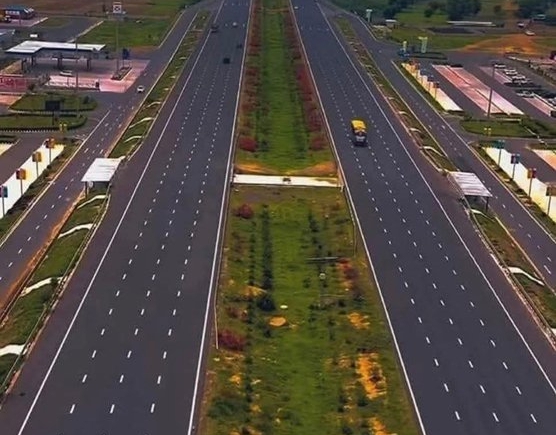
The KSh191 billion Mau Summit Road project has sparked conversations about infrastructure financing, toll charges and the long-term benefits of investing public funds in major highways. Nominated MP Marianne Kitany has defended the arrangement, explaining how the National Social Security Fund (NSSF) is expected to recover its investment through toll revenue while Kenyan motorists benefit from an upgraded transport corridor.
Highlights
- The Mau Summit Road project is valued at KSh191 billion.
- The project will cover 210 kilometres, including a six-lane section between Naivasha and Nakuru.
- NSSF is expected to finance the project and receive tolling revenue.
- Motorists are expected to pay approximately KSh8 per kilometre.
- Kitany says infrastructure investments should be evaluated over a long period, potentially 25 to 50 years.
Main Story
Kitany Explains How Mau Summit Road Project Will Be Financed
Nominated MP Marianne Kitany has offered an explanation of the financing arrangement behind the proposed Mau Summit Road upgrade, saying the project is designed to generate long-term returns rather than immediate profits.
According to Kitany, China Road and Bridge Corporation (CRBC) is responsible for constructing the highway but will not be the beneficiary of the toll revenue.
Instead, the money collected from motorists is expected to go to the National Social Security Fund (NSSF), which is financing the project using local resources.
She explained that infrastructure investments of this nature require patience, noting that recovering the initial capital could take between 25 and 50 years.
The arrangement is intended to turn the road into an investment that generates returns for NSSF and, indirectly, benefits Kenyans who contribute to the pension fund.
Why the Mau Summit Road Is Important
Kitany described the Mau Summit corridor as an important route for the movement of people, goods and services across the country and into the hinterland.
She pointed to persistent traffic congestion along the Nairobi-Nakuru-Eldoret route, explaining that journeys to Eldoret can sometimes take more than 12 hours.
According to her, congestion between Kikuyu and Nakuru has made travel increasingly difficult, with motorists occasionally spending extended periods stranded on the highway.
She also highlighted the disruption caused by accidents involving heavy commercial trucks, which can bring traffic to a standstill for hours.
Kitany believes upgrading the corridor could improve transportation, support businesses and make the movement of goods more efficient.
KSh191 Billion Contract Compared to Previous French Deal
Kitany also defended the financial terms of the current project by comparing it with an earlier agreement involving a French contractor that was eventually cancelled.
She stated that the current KSh191 billion contract will cover 210 kilometres of road, including a 70-kilometre section between Naivasha and Nakuru designed to accommodate six lanes.
The previous French proposal was reportedly valued at KSh249 billion but would have covered only 175 kilometres.
According to Kitany, the difference represents savings of approximately KSh60 billion for Kenya, despite the additional distance covered under the current arrangement.
She added that the cancellation of the earlier agreement resulted in legal proceedings that cost approximately KSh6.4 billion to settle after the Kenyan and French governments failed to agree on the contractual terms.
Nairobi Expressway Raises Questions About Long-Term Returns
Kitany also addressed concerns surrounding the financial performance of the Nairobi Expressway, arguing that major infrastructure investments should not be judged too quickly.
She acknowledged that the expressway was a worthwhile infrastructure idea introduced by the previous administration but noted that traffic volumes had fallen below initial projections.
However, she believes the increasing number of vehicles on Kenyan roads could eventually improve usage and revenue generation.
She argued that as more Kenyans become financially capable of purchasing vehicles, demand for major highways is likely to increase.
Her position is that infrastructure projects should be assessed over their intended investment periods rather than through short-term financial performance.
Toll Charges Expected to Generate Returns for Kenyans
Under the proposed financing arrangement described by Kitany, motorists using the Mau Summit Road will pay approximately KSh8 per kilometre.
The revenue is expected to support the recovery of the investment made through NSSF, potentially improving returns for Kenyans whose savings are held by the fund.
The arrangement places pension savings at the centre of the infrastructure financing discussion, raising questions about investment protection, accountability and the actual returns contributors can expect.
The project’s long-term success will ultimately depend on construction costs, traffic volumes, toll collections and the ability to recover the investment without placing an excessive burden on motorists.
The Mau Summit Road project presents Kenya with an important question: can pension savings be transformed into major infrastructure investments that deliver meaningful returns without making road travel increasingly expensive for ordinary citizens?

