
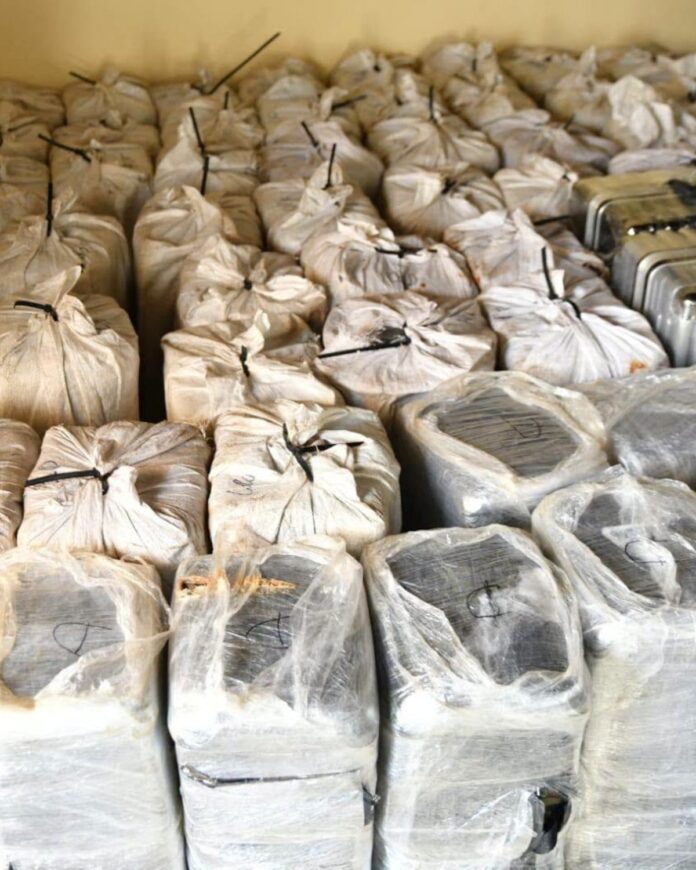
West Africa is facing a growing cocaine trafficking crisis as international drug networks increasingly use the region as a transit point for moving narcotics from South America to lucrative European markets.
A major seizure in Liberia involving four tonnes of cocaine valued at approximately $317 million has highlighted the scale of the trade and the challenges facing authorities. Beyond the illegal shipments, the growing business is reportedly contributing to corruption, political interference, violence and increased drug consumption within local communities.
Highlights
- Liberian authorities seized four tonnes of cocaine valued at approximately $317 million in July.
- West Africa is increasingly being used as a transit route for cocaine shipments destined for Europe.
- An estimated 30 per cent of cocaine consumed in Europe in 2025 passed through West Africa.
- Drug trafficking is raising concerns about corruption and political interference across the region.
- Increased availability of cocaine is contributing to growing domestic consumption, particularly crack cocaine.
Main Story
Liberia’s Massive Cocaine Seizure Highlights Growing Crisis
A major cocaine seizure in Liberia has drawn attention to the expanding influence of international drug trafficking networks across West Africa.
In July 2026, Liberian police intercepted approximately four tonnes of cocaine, with the consignment estimated to be worth $317 million.
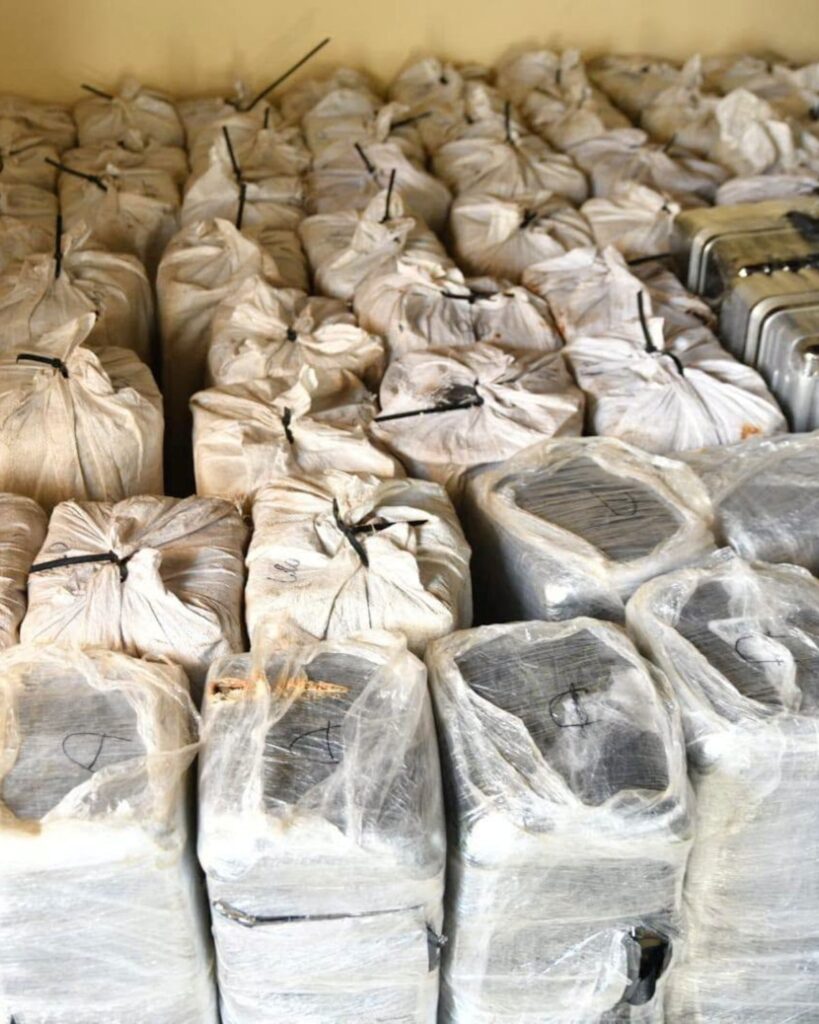
The discovery highlighted how the country has increasingly become part of a wider trafficking network connecting cocaine-producing nations in South America with consumers in Europe.
Liberian President Joseph Boakai addressed the growing threat during a national speech in August, describing drug trafficking as one of the biggest challenges facing his country.
He warned that the illegal trade was damaging families and contributing to insecurity.
The situation has also raised political concerns, particularly following reports that former Liberian Vice President Jewel Howard-Taylor was arrested over alleged links to an international drug trafficking network.
Her reported arrest has further drawn attention to concerns about the possible involvement of influential individuals in the illegal trade. The allegations remain subject to the relevant legal process.
West Africa Becomes a Major Cocaine Transit Corridor
Liberia is not the only country experiencing the effects of the expanding drug trade.
Neighbouring Sierra Leone has also attracted international attention following allegations surrounding Dutch fugitive Jos Leijdekkers, one of Europe’s most wanted cocaine traffickers.
According to law enforcement information, local testimonies and court documents reviewed by AFP, Leijdekkers has been operating in Sierra Leone with alleged backing from influential individuals within the country’s political establishment.
Lucia Bird, West Africa director at the Global Initiative Against Transnational Organized Crime (GI-TOC), warned that every country in the region faces exposure to cocaine trafficking.
She explained that West Africa’s geographical position between South American production centres and European consumer markets makes it an attractive corridor for international criminal networks.
A GI-TOC report published in March estimated that approximately 30 per cent of cocaine consumed in Europe during 2025 passed through West Africa.
However, determining the exact volume remains difficult because much of the trade operates underground, while drug seizures only reveal a portion of the overall activity.
Why Drug Traffickers Prefer the West African Route
Several developments have contributed to West Africa becoming increasingly attractive to international drug networks.
Improvements in port facilities, road infrastructure and commercial connections have made it easier to transport large consignments through the region.
Although the journey from South America through West Africa can be longer and more expensive, traffickers may consider it worthwhile because of the perceived lower risk of interception.
Bird explained that European authorities have strengthened inspections of vessels arriving directly from South America, potentially making shipments originating from West African ports less likely to attract the same level of scrutiny.
However, as the region becomes more recognised as a cocaine trafficking corridor, European authorities are also beginning to adjust their security measures.
Drug Trade Fuels Corruption and Political Interference
Beyond the movement of illegal substances, the growing cocaine business is creating wider governance challenges across West Africa.
The GI-TOC report warned that trafficking networks can infiltrate political and business institutions through bribery, financial influence and relationships with powerful individuals.
Such activities can weaken government institutions, undermine public accountability and divert resources away from essential services.
The involvement of influential individuals in suspected trafficking networks also makes investigations more complicated, particularly where criminal groups have access to political protection.
For countries already facing economic and governance challenges, the consequences could extend far beyond law enforcement.
Cocaine Trafficking Also Increases Local Drug Consumption
Another growing concern is the increasing availability of cocaine within West African communities.
According to the GI-TOC report, some smaller traffickers receive portions of their payments in cocaine rather than cash.
When these individuals struggle to move the drugs into European markets, some of the substances are redirected into local distribution networks.
This has contributed to concerns about increased consumption of powdered cocaine and, more significantly, crack cocaine over the past five years.
The report identified Guinea-Bissau, Sierra Leone and Mali as countries where cocaine is particularly inexpensive in local markets.
The development has raised public health concerns because greater availability can expose more people to substance dependency and its associated social and economic consequences.
West Africa Faces Growing Pressure to Tackle International Drug Networks
The expanding cocaine trade presents a complicated challenge for governments across West Africa.
Authorities must contend with international criminal organisations, increasingly sophisticated smuggling networks, corruption and the growing availability of drugs within local communities.
Liberia’s multimillion-dollar seizure demonstrates the financial scale of the business, while developments in Sierra Leone highlight concerns about the possible influence of trafficking networks within political institutions.
With Europe remaining a major destination for cocaine shipments, cooperation between African and European law enforcement agencies will be important in disrupting the networks responsible.
The challenge is no longer limited to intercepting shipments at ports. It also involves protecting institutions, addressing domestic drug consumption and preventing criminal networks from gaining influence over public life.
The cocaine trade is no longer just about moving drugs across borders. It is increasingly about the influence criminal networks can acquire over governments, economies and communities. Can West African countries contain the crisis before its consequences become even harder to reverse?

