
South Africa and Rwanda are facing a major trade setback after US President Donald Trump announced plans to remove both countries from a preferential trade arrangement that gives eligible African nations duty-free access to the American market. The proposed move, expected to take effect on 1 January 2027, comes amid growing diplomatic tensions between Washington and the two African governments.
Highlights
- Trump has notified Congress of plans to remove South Africa and Rwanda from AGOA.
- The proposed termination is scheduled for 1 January 2027.
- Washington cited trade barriers and concerns about national security and foreign policy.
- Rwanda also faces US criticism over human rights and alleged support for M23 rebels.
- South Africa has described the decision as unfortunate and says it will explore other export markets.
Main Story
Trump Announces Move Against Two African Countries
US President Donald Trump has initiated plans to withdraw South Africa and Rwanda from the African Growth and Opportunity Act (AGOA), a programme that provides qualifying African countries with duty-free access to the US market for thousands of products.
The decision follows an annual assessment of participating countries conducted by the Office of the US Trade Representative.
US Trade Representative Jamieson Greer said the review found that both governments were involved in practices that did not meet the programme’s eligibility standards.
Washington pointed to obstacles affecting American businesses and investments, alongside concerns about national security and US foreign policy interests in the region.
The proposed withdrawal is expected to begin on 1 January 2027. United States Trade Representative+1
Why Rwanda Is Facing Removal
For Rwanda, the Trump administration raised several concerns, including human rights, political pluralism, workers’ rights and the country’s commitment to the rule of law.
The announcement also follows US sanctions against Rwanda’s defence ministry over allegations that it supported the M23 rebel movement in eastern Democratic Republic of Congo.
According to the US Treasury, Rwanda’s military provided assistance to M23 fighters, including weapons, equipment, logistical support and training. Kigali has faced international scrutiny over the allegations and its involvement in the conflict.
The latest trade decision adds another layer of pressure to Rwanda’s relationship with Washington. Reuters+1
South Africa Also Faces Trade Restrictions
South Africa has been included in the proposed withdrawal, with Washington citing barriers to American trade and investment, corruption and concerns linked to its national security and foreign policy interests.
The announcement comes at a time when relations between the two governments have been strained by disagreements over domestic policies and South Africa’s international positions.
South African Trade Minister Parks Tau described the development as unfortunate, arguing that Washington had introduced fresh concerns that were not central to earlier trade discussions.
He said Pretoria would continue seeking alternative export destinations to reduce the potential impact on local businesses and employment.
US Ambassador to South Africa Leo Brent Bozell III, however, argued that the outcome could have been avoided if the South African government had addressed concerns raised by Washington.
What AGOA Means for African Trade
Established in 2000, AGOA was designed to strengthen economic ties between the United States and eligible sub-Saharan African countries.
The arrangement allows qualifying products to enter the American market without import duties, giving African exporters an opportunity to compete more effectively.
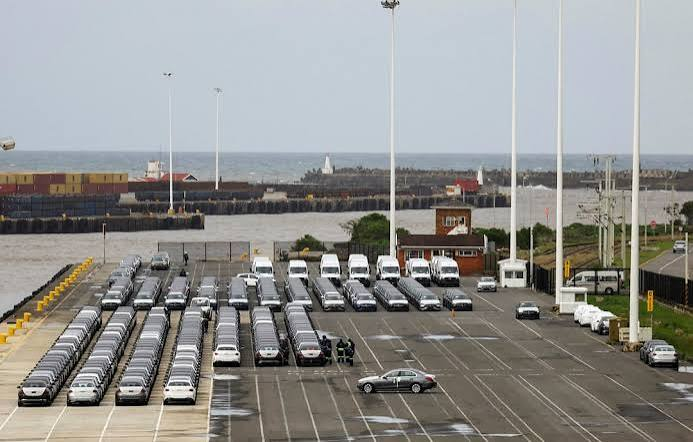
South Africa has been one of the programme’s major beneficiaries, with exports including vehicles, agricultural products and wine. Rwanda also benefits from preferential access for products such as coffee and minerals.
If the proposed withdrawal takes effect, exporters in both countries could face higher costs when selling eligible goods to the US market.
The decision also raises wider questions about the future of trade relations between Washington and African governments, particularly as countries seek to expand commercial partnerships beyond traditional markets. Reuters+2
A Relationship Under Growing Pressure
The latest announcement is another sign of deteriorating relations between the Trump administration and the two African nations.
Last year, Trump made controversial claims about the treatment of white South Africans during a White House meeting with President Cyril Ramaphosa. His administration also introduced a refugee pathway for Afrikaners.
South Africa rejected the allegations, while disagreements over foreign policy and domestic governance have continued to complicate relations.
For Rwanda, the dispute is closely connected to Washington’s concerns about the conflict in eastern DR Congo.
With the proposed AGOA withdrawal now on the table, both governments face the challenge of protecting their export industries while navigating increasingly difficult diplomatic relationships with the United States.
As the January 2027 deadline approaches, the question is whether diplomatic negotiations can prevent a trade decision with potentially serious consequences for African exporters. How will South Africa and Rwanda protect their economic interests if access to the US market becomes more expensive?
