
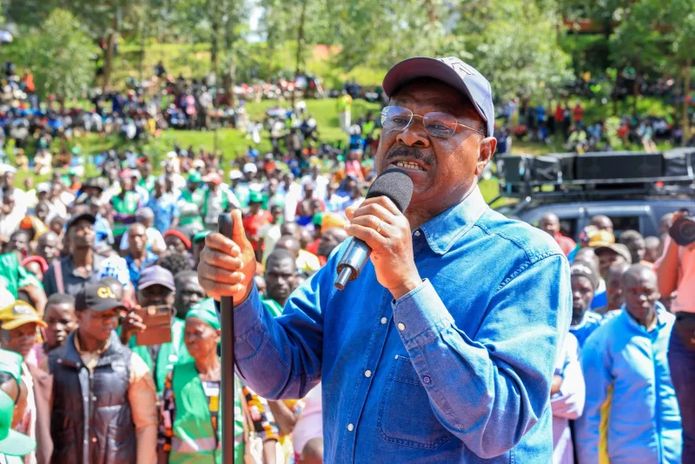
National Assembly Speaker Moses Wetang’ula has challenged the idea of rising to Kenya’s presidency without years of political experience, urging ambitious young leaders to build strong relationships across the country before seeking the top seat. Speaking in Bungoma, Wetang’ula appeared to direct his remarks at Nairobi Senator Edwin Sifuna, whose growing prominence has placed him at the centre of conversations about the 2027 presidential race.
Highlights
- Wetang’ula says presidential aspirants need experience and nationwide political networks.
- The Speaker appears to challenge the pace of Edwin Sifuna’s presidential ambitions.
- He cites Jomo Kenyatta and Raila Odinga as examples of leaders with long political journeys.
- Wetang’ula praises Raila for working with former political opponents.
- He urges Western Kenya residents to register as voters and strengthen their collective political influence.
Main Story
Wetang’ula Questions the Rush for the Presidency
National Assembly Speaker Moses Wetang’ula has weighed in on the growing debate over young politicians seeking Kenya’s highest office, arguing that presidential leadership requires more than popularity or a sudden rise in politics.
Addressing residents in Bungoma on Friday, October 23, 2026, the Speaker stressed the importance of experience, political relationships and sustained engagement with communities across the country.
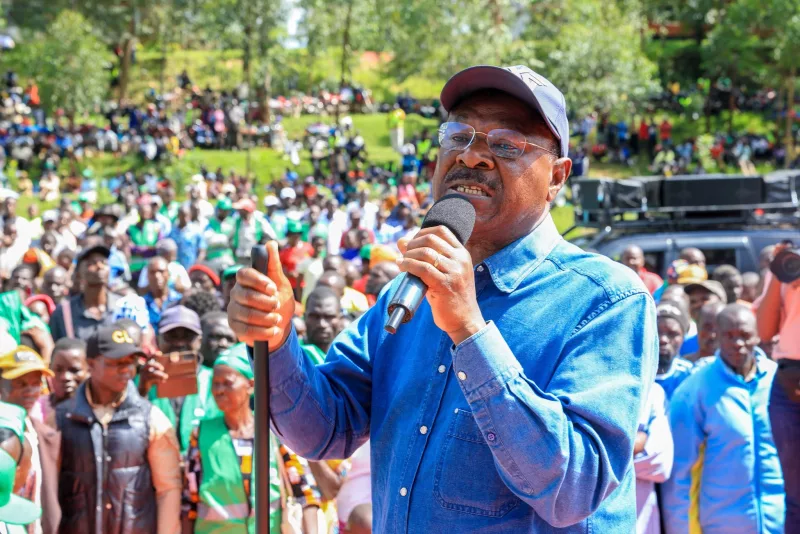
His remarks appeared to target Nairobi Senator Edwin Sifuna, who has increasingly featured in discussions about potential contenders in the 2027 General Election.
Wetang’ula cautioned aspiring leaders against assuming that entering the political arena automatically places them in a position to compete for the presidency.
Instead, he argued that those seeking national leadership should first establish their credibility and develop relationships beyond their traditional political strongholds.
Why Wetang’ula Says Experience Matters
To support his argument, Wetang’ula referred to Kenya’s political history, pointing to founding President Jomo Kenyatta and former Prime Minister Raila Odinga as examples of leaders whose political journeys involved years of engagement.
According to the Speaker, building a credible presidential campaign requires patience, resilience and an understanding of the country’s diverse political interests.
He maintained that leaders must establish connections with people from different communities rather than relying solely on support from their home regions.
Wetang’ula’s comments come as political figures begin positioning themselves ahead of the next general election, with questions surrounding experience, popularity and national appeal becoming increasingly prominent.
For emerging politicians, the challenge is not only attracting attention but also demonstrating the ability to build a coalition capable of winning support across Kenya.
Wetang’ula Praises Raila’s Political Approach
The Speaker also highlighted Raila Odinga’s ability to work with leaders who had previously been his political rivals.
Wetang’ula argued that such relationships demonstrated the importance of putting national interests ahead of past disagreements.
He presented Raila’s political journey as an example of why presidential aspirants need to understand the value of dialogue, compromise and cooperation.
In Kenya’s competitive political environment, alliances often bring together leaders with different ideologies, regional interests and political histories.
Wetang’ula suggested that the ability to navigate these relationships is an important quality for anyone seeking to lead the country.
His remarks also underline a familiar feature of Kenyan politics: winning a national election often requires support that extends beyond a candidate’s immediate political base.
Message to Sifuna and the Next Generation
Although Wetang’ula’s remarks focused broadly on young politicians, their timing has placed renewed attention on Sifuna’s political ambitions.
The Nairobi senator has become a prominent figure in discussions about the opposition’s direction ahead of the 2027 polls.
His name has featured in debates over potential presidential candidates, political alliances and the formation of alternative political movements.
Wetang’ula’s position presents a different perspective on what it takes to pursue the presidency, emphasising the importance of long-term political engagement and established networks.
However, the Speaker’s comments reflect his own assessment of presidential leadership rather than a formal requirement that candidates must spend a particular number of years in politics before seeking office.
Ultimately, voters will decide which qualities matter most when choosing their next president.
Wetang’ula Calls for Western Kenya to Strengthen Its Political Influence
Beyond the debate surrounding Sifuna, Wetang’ula urged residents of Western Kenya to consolidate their political influence through increased voter registration and a shared regional agenda.
He encouraged communities to participate actively in the electoral process and build a common approach to issues affecting the region.
Voter registration remains an important part of political mobilisation, as registered voters form the pool of citizens eligible to participate in elections.
Wetang’ula’s appeal signals his interest in strengthening Western Kenya’s position as political alliances and strategies take shape ahead of the next general election.
With the 2027 polls approaching, the region’s political leadership and voting patterns could become important factors in negotiations over national alliances.
The Bigger Question Ahead of 2027
Wetang’ula’s remarks have added another dimension to the conversation about generational change in Kenyan politics.
While some voters may favour younger leaders and fresh political ideas, others may place greater emphasis on experience, established relationships and the ability to unite competing interests.
For Sifuna and other aspiring presidential contenders, the challenge will be convincing Kenyans that they can build support beyond their existing constituencies and offer a credible national leadership agenda.
As political alliances continue to evolve, one question remains central: will voters prioritise experience and established networks, or will they embrace a new generation of leaders promising a different direction for the country?
In the race for State House, ambition may open the door, but building trust across Kenya could determine who ultimately earns the country’s highest office.

