
Ebola is a serious viral disease that can cause severe illness and, without timely medical care, death. The disease has caused outbreaks in parts of sub-Saharan Africa since it was first identified in 1976, making early detection and rapid medical response crucial.
While Ebola can cause dramatic symptoms, understanding how the virus spreads, recognising warning signs and seeking medical attention early can help improve outcomes and limit transmission.
Highlights
- Ebola is a severe viral disease that can affect humans and other primates.
- Early symptoms can include fever, headaches, muscle pain and sore throat.
- The virus mainly spreads through direct contact with infected body fluids.
- Early supportive care and approved treatments can improve survival.
- Rapid detection, contact tracing and infection-control measures are key during outbreaks.
Main Story
What Is Ebola?
Ebola virus disease, commonly known as Ebola, is a viral illness that can cause severe disease in humans and other primates.
Different Ebola viruses can cause the disease, with outbreaks historically concentrated in sub-Saharan Africa.
The severity of the illness can vary, but Ebola has the potential to become life-threatening, particularly when treatment is delayed.
Common Symptoms to Watch For
Symptoms do not necessarily appear immediately after infection. They can begin several days or weeks later.
Early warning signs may include:
- Fever
- Headache
- Muscle pain
- Sore throat
As the illness progresses, a patient may develop vomiting, diarrhoea and a skin rash. The disease can also affect organs such as the liver and kidneys.
In severe cases, bleeding may occur internally or externally. However, bleeding is not necessarily present in every Ebola infection.
Because the early symptoms can resemble illnesses such as malaria, typhoid, cholera and meningitis, medical testing is necessary to confirm an Ebola infection.
How Does Ebola Spread?
Ebola is primarily transmitted through direct contact with the body fluids of an infected person or animal.
Transmission can also happen when someone comes into contact with objects or surfaces recently contaminated with infected body fluids.
There is no established evidence of natural or laboratory transmission of Ebola between humans through the air.
People who have recovered may also need to follow medical guidance because the virus can remain in certain body fluids, including semen and breast milk, for some time after recovery.
Where Does Ebola Come From?
Fruit bats are widely considered a natural reservoir for Ebola viruses. They can carry the viruses without showing the severe illness seen in humans.
The virus can also move from animals to people, after which human-to-human transmission can occur through contact with infected bodily fluids.
How Is Ebola Diagnosed?
Because its early symptoms overlap with several other diseases, Ebola cannot be reliably diagnosed based on symptoms alone.
Health workers use laboratory tests to determine whether the virus or evidence of infection is present in a patient’s blood.
Rapid testing and diagnosis are particularly important during outbreaks because they allow health authorities to identify cases and trace people who may have been exposed.
Treatment Can Improve Survival
There is no reason to assume that an Ebola diagnosis automatically means death.
Early supportive treatment can significantly improve a patient’s chances of survival. Medical teams may provide fluids, manage symptoms and address complications as they arise.
Specific antibody-based treatments are also available for Ebola caused by certain virus species, including Zaire ebolavirus.
The earlier a patient receives appropriate medical care, the better the chances of managing the disease effectively.
How Can Ebola Be Prevented?
Containing an Ebola outbreak requires more than treating infected patients.
Health authorities rely on rapid identification of cases, laboratory testing, contact tracing and appropriate infection-control procedures.
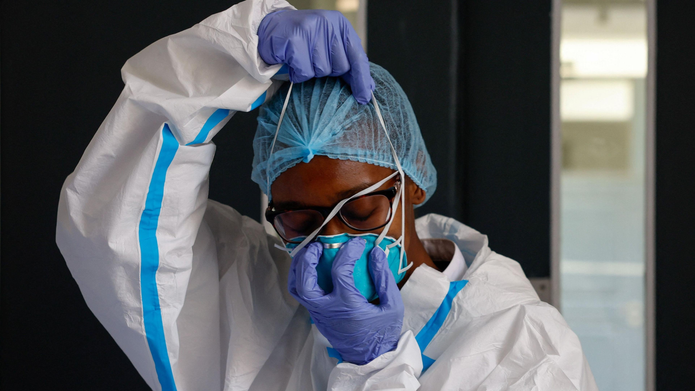
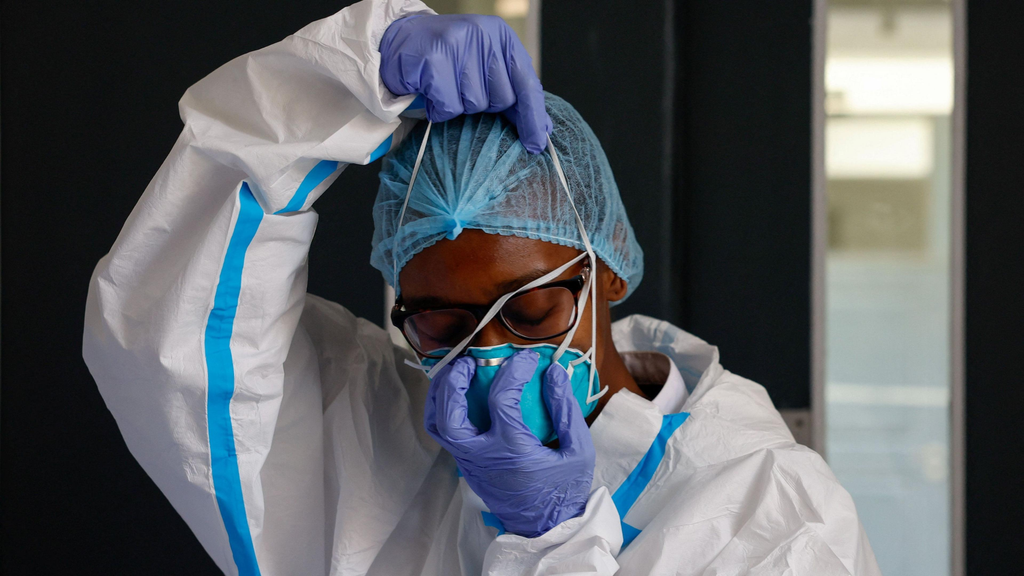
People caring for suspected or confirmed patients need suitable protective equipment and must follow strict hygiene measures.
Safe handling of bodies after death is also important because infected body fluids can continue to pose a transmission risk.
Communities can further reduce risks by following public-health guidance, practising good hand hygiene and avoiding contact with potentially infected animals or contaminated materials.
When it comes to diseases as serious as Ebola, knowing the warning signs and acting early can make all the difference.

