
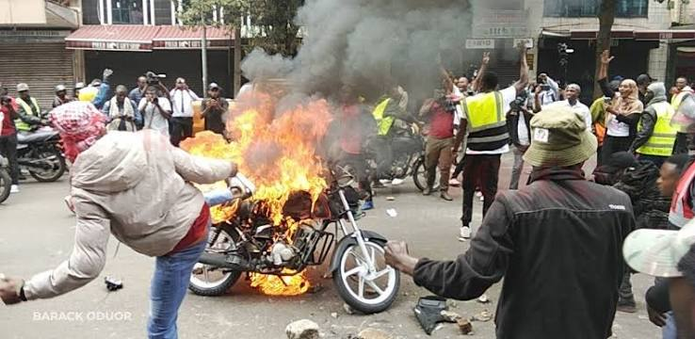
Kenyan security agencies have identified 109 organised criminal gangs and groups operating across the country as preparations for the 2027 General Election gather pace.
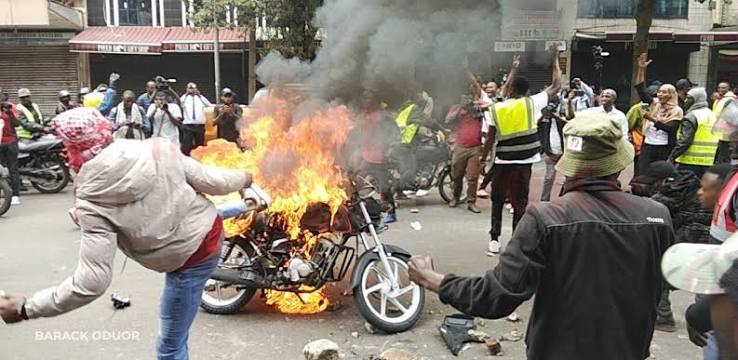
Internal Security Principal Secretary Raymond Omollo says authorities are particularly concerned about the possible use of criminal networks and organised youth groups to intimidate political opponents, disrupt public activities or fuel violence during the election period.
Highlights
- 109 organised criminal groups have been identified across Kenya.
- Western leads with 38 groups, followed by Rift Valley with 22 and Nairobi with 20.
- Security agencies arrested 1,827 suspects between January and August 2026.
- Courts secured 729 convictions during the same period.
- Authorities say they are targeting gang leaders, recruiters and financiers, not just individual offenders.
Main Story
Western Leads in Number of Identified Groups
According to Omollo, the 109 groups represent an increase from the 89 gangs that were declared illegal in 2016.
Western Kenya has the highest number of identified groups, with 38, followed by the Rift Valley with 22 and Nairobi with 20.
Nyanza accounts for 12 groups, while the Coast has 11. Eastern has three, North-Eastern two and Central one.
The government says the spread of these groups has become a particular concern as the country moves closer to the 2027 elections.
Government Warns Against Political Violence
Omollo said security agencies are concerned about the possibility of organised youth groups being mobilised for political intimidation, harassment or attacks.
He maintained that criminal groups should not be used to influence political activities or target people because of their political views.
The government has previously issued similar warnings to political actors, with Omollo calling on young people to reject attempts to involve them in politically motivated violence.
1,827 Suspects Arrested
Security agencies arrested and arraigned 1,827 suspects between January 1 and August 31, 2026, over offences associated with goonism and organised criminal activity, according to the government.
Trans Nzoia recorded the highest number of arrests, with 491 suspects.
During the same period, courts secured 729 convictions, while 716 cases remained before the courts.
Omollo said the figures demonstrate that the government’s response involves more than arrests, with investigations, prosecution and court processes forming part of the wider strategy.
Focus Shifts to Criminal Networks
Authorities are also moving beyond individual offenders to investigate the wider networks that enable organised crime.
Under intelligence-led policing, investigators are seeking to identify gang leaders, recruiters and financiers while establishing links between different criminal incidents.
Financial investigations are also being pursued where evidence points to money generated through activities such as extortion, robbery and illegal businesses.
The approach is intended to disrupt the structures that allow criminal groups to recruit members and continue operating.
Small Arms and Border Areas Pose Challenges
Omollo said investigators face additional difficulties because some gangs operate through decentralised structures.
The spread of small arms and light weapons, particularly in vulnerable border regions, has also complicated efforts to dismantle criminal networks.
The government says it is responding through stronger cooperation between security agencies, community intelligence networks and collaboration with neighbouring countries where criminal activity crosses borders.
Police Commanders Ordered to Act
The Inspector-General of Police has directed regional commanders to take firm and lawful action against organised criminal groups and violence within their areas of responsibility.
Officers found, through due process, to have assisted criminal activities or failed to respond appropriately will be subject to administrative or disciplinary measures.
The government says accountability will extend beyond those who physically commit offences to individuals who recruit, finance or direct criminal groups.
Enforcement Alone Not Enough
Despite the intensified crackdown, Omollo acknowledged that arrests and prosecutions cannot by themselves eliminate organised crime.
The government also plans to invest in prevention, rehabilitation and reintegration, particularly for young people who become involved in criminal groups.
The wider strategy includes community engagement and intelligence gathering aimed at identifying emerging threats before they develop into larger security problems. Similar measures, including early-warning systems, community security forums and multi-agency cooperation, have previously been outlined by the government.
Security Focus Turns to 2027
With the 2027 General Election approaching, authorities are expected to maintain heightened monitoring of political activities and areas considered vulnerable to organised violence.
The government says lawful political participation will be protected while criminal conduct will be dealt with regardless of the individuals or groups involved.
For Kenyans, the effectiveness of the strategy will depend not only on the number of arrests and convictions but also on whether authorities can prevent criminal networks from being recruited into political conflicts in the first place.
As Kenya heads towards another election season, the real test will be whether security measures can keep political competition peaceful while preventing criminal networks from becoming tools of intimidation and violence.

