
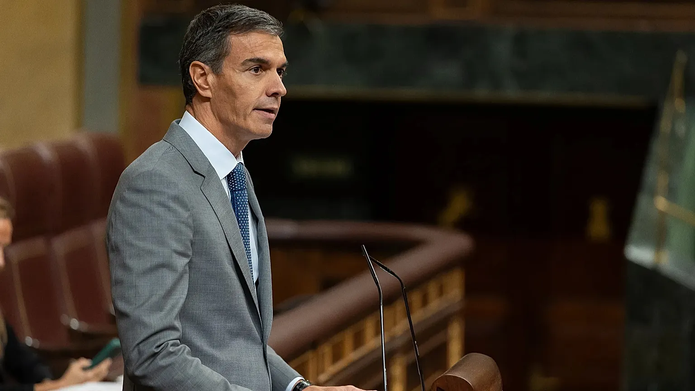
Spanish Prime Minister Pedro Sánchez has called a snap general election for November 29, bringing forward a vote that was originally expected in 2027. The decision follows a major parliamentary defeat for his minority government after lawmakers rejected key measures aimed at addressing Spain’s worsening housing crisis.
Highlights
- Spain will hold an early general election on November 29, 2026.
- Sánchez made the announcement after his government’s housing measures were defeated in Parliament.
- The proposed measures included protections for vulnerable tenants and action against housing speculation.
- Sánchez says he wants a broader progressive majority to push reforms through Parliament.
- Opinion polls cited by Reuters have placed the conservative People’s Party ahead of Sánchez’s Socialists, although the election outcome remains undecided.
Main Story
Sánchez Brings Election Forward
Spain is heading to the polls earlier than expected after Prime Minister Pedro Sánchez announced a snap general election for November 29.
Sánchez made the announcement on Monday, October 5, saying Spain needs to renew public support for the government and secure a stronger parliamentary majority.
He said a broader progressive majority would be needed to overcome political resistance and advance his government’s reform agenda.
Housing Crisis Triggers Political Setback
The election announcement follows a significant defeat in Parliament last week.
Sánchez’s minority government failed to secure enough support for two emergency housing measures intended to provide greater protection for renters and address problems in Spain’s housing market.
The proposals included measures aimed at preventing certain evictions and limiting practices associated with housing speculation. The government was unable to secure backing from key parliamentary groups, resulting in the measures being rejected.
The parliamentary defeat came as housing affordability has become a major political issue in Spain, with thousands of people taking part in demonstrations demanding action on rising housing costs.
Tens of thousands of people reportedly protested in cities across Spain on October 3, including around 70,000 demonstrators in Madrid, according to Reuters.
Government Struggles With Minority Parliament
Sánchez has led Spain since 2018 but has governed with a fragmented parliamentary support base.
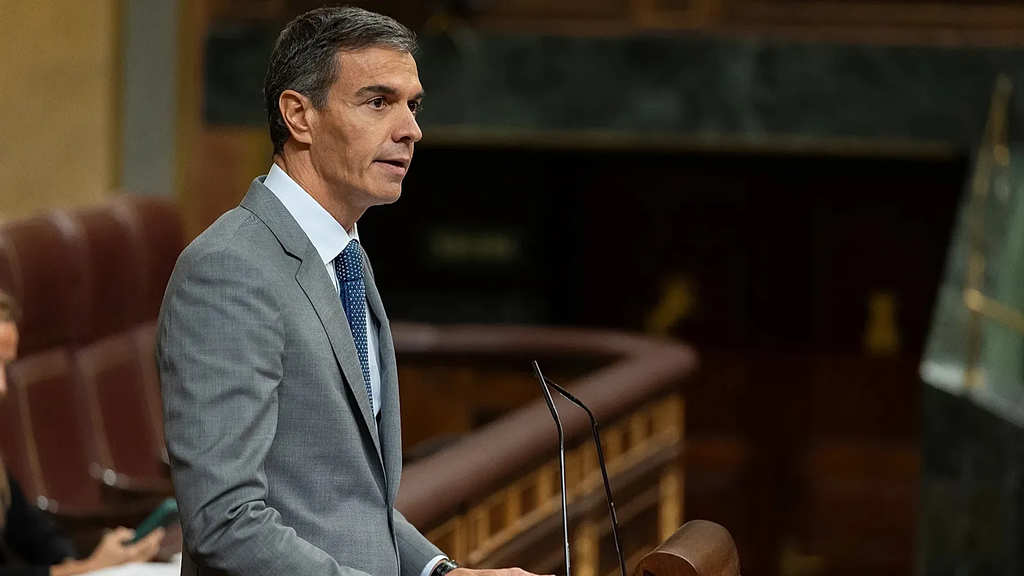
His Socialist Party finished second in the 2023 general election, behind the conservative People’s Party. The PP won the largest number of seats but failed to secure enough support to govern alone.
Sánchez subsequently remained in office after reaching agreements with several left-wing and regional parties.
That arrangement has required his government to negotiate support for legislation across a divided Parliament, making it difficult to pass some major reforms.
What the Election Means
Sánchez is now asking voters to give his government a stronger mandate.
The prime minister said the government needs greater public backing to continue pursuing its reform programme.
The People’s Party, meanwhile, welcomed the announcement, with the conservative party responding to the election call with “Por fin”Spanish for “at last”on social media.
Left-wing platform Sumar said it was ready for the campaign, while the Socialist Party urged its supporters to work towards another victory.
The right-wing Vox party also responded to the announcement, framing the election around its opposition to Sánchez.
Polls Point to Competitive Contest
Current opinion polling cited by Reuters has generally placed the conservative People’s Party ahead of Sánchez’s Socialists. However, polling does not determine the eventual result, and Spain’s fragmented political landscape means the distribution of seats and the ability of parties to form alliances will be crucial after the vote.
The People’s Party could also require support from Vox or other parties to form a government if it fails to secure an outright majority.
The November election will therefore determine not only which party wins the most seats, but also which political combinations can command enough support in Parliament to govern.
Spain Heads Into Campaign
With the election now set for November 29, political parties are expected to shift their focus towards campaigning, with housing likely to remain one of the central issues.
For Sánchez, the election provides an opportunity to seek the stronger parliamentary backing he says is necessary to advance his programme.
For the opposition, it offers an opportunity to challenge the Socialist-led government after years of fragmented parliamentary politics.
The outcome will determine the direction of Spain’s government and its approach to issues including housing, social policy and economic reforms.
With Spain heading to the polls on November 29, voters will now decide whether Sánchez’s call for a stronger mandate translates into renewed support or a new political direction for the country.

