
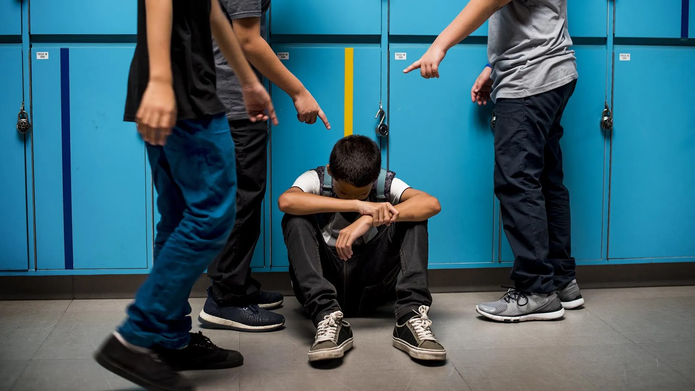
Bullying can leave wounds that are not always visible. From insults and physical attacks to online humiliation and deliberate exclusion, repeated harassment can affect a person’s confidence, relationships, mental wellbeing and willingness to participate in everyday activities. Understanding what counts as bullying and knowing how to respond can help create safer schools, workplaces, communities and online spaces.
Highlights
- Bullying involves repeated aggressive behaviour and an actual or perceived power imbalance.
- It can be physical, verbal, social or digital.
- Changes in mood, behaviour, sleep and social habits can be warning signs.
- Listening without judgement is an important first step when someone reports bullying.
- Reporting persistent bullying can help prevent the situation from escalating.
Main Story
What Exactly Is Bullying?
Bullying is more than two people having an argument or occasionally disagreeing.
It generally involves repeated aggressive behaviour directed at another person, often where the person being targeted has difficulty defending themselves because of a real or perceived imbalance of power.
That power difference can take many forms. It may involve physical strength, popularity, social status, access to information, age, numbers or influence online.
Bullying can happen almost anywhere from classrooms and playgrounds to workplaces, neighbourhoods and social media platforms.

The Different Forms of Bullying
Physical Bullying
This is one of the most visible forms.
It can include hitting, kicking, pushing, punching or deliberately damaging another person’s belongings. Physical bullying may also involve intimidating someone through physical gestures or actions.
While physical injuries can sometimes expose what is happening, not every incident leaves an obvious mark.
Verbal Bullying
Words can also be used as weapons.
Verbal bullying may include repeated name-calling, insults, mocking, humiliating comments, cruel teasing or threats.
What may appear to others as harmless joking can become harmful when it is persistent, targeted and intended to embarrass, intimidate or hurt someone.
Social or Relational Bullying
This form can be particularly difficult to recognise because there may be no physical confrontation.
A person may be deliberately excluded from social groups, have rumours spread about them or be subjected to actions designed to damage their friendships and reputation.
For young people especially, being intentionally isolated can have a significant emotional impact.
Cyberbullying
The rise of social media and messaging platforms has given bullying another avenue.
Cyberbullying can involve sending abusive messages, sharing embarrassing content, spreading rumours online, creating humiliating posts or deliberately targeting someone across digital platforms.
One challenge is that online content can spread quickly and reach a large audience. What starts as a single post or message can therefore become a much wider problem.
Warning Signs to Watch Out For
Not everyone experiencing bullying will immediately tell someone.
Parents, teachers, friends and colleagues can therefore pay attention to changes in behaviour.
Possible warning signs include unexplained injuries, damaged belongings, sudden reluctance to attend school or work, withdrawal from friends and activities, mood changes and increased anxiety.
Someone experiencing cyberbullying may also become unusually secretive about their phone or computer, appear distressed after checking messages or suddenly stop using platforms they previously enjoyed.
Changes in sleeping patterns or a noticeable drop in concentration can also be worth paying attention to.
Importantly, these signs do not automatically mean someone is being bullied. They should instead be treated as reasons to check in and offer support.
The Impact Can Go Beyond the Moment
Bullying is not simply about what happens during an individual incident.
Repeated humiliation, intimidation or exclusion can affect a person’s confidence and sense of safety. Some victims may begin avoiding places or activities where they expect to encounter the person bullying them.
Others may withdraw from friends, struggle to concentrate or become increasingly anxious.
This is why dismissing bullying as “just a joke” can make it harder for someone experiencing it to seek help.
What Should You Do If You Are Being Bullied?
The first step is to avoid dealing with the situation completely alone.
Speak to someone you trust—a parent, guardian, teacher, counsellor, school administrator, supervisor, friend or another responsible adult.
Explain what has been happening and, where possible, provide specific details about the incidents.
For online bullying, keeping evidence such as screenshots, messages or links can be useful when making a report. Depending on the platform, you can also block or restrict the person responsible and report abusive content.
If you believe you are in immediate danger, seek help from a trusted adult or the relevant emergency or law-enforcement service.
How to Support Someone Experiencing Bullying
If someone tells you they are being bullied, listening can be more helpful than immediately giving them instructions.
Give them space to explain what happened and avoid blaming them for the behaviour of the person responsible.
Let them know that they deserve to feel safe and that asking for help is not a sign of weakness.
Where appropriate, help them report the behaviour to the relevant school, workplace, organisation or online platform.
Adults should also take reports seriously and avoid encouraging victims to simply “fight back” or ignore repeated harassment.
Creating Safer Spaces
Preventing bullying requires more than responding after someone has already been hurt.
Schools, workplaces, families and online communities can establish clear expectations about respectful behaviour and make reporting channels easier to access.
Young people should also be encouraged to understand the difference between harmless disagreement and behaviour intended to repeatedly intimidate, humiliate or isolate another person.
Bystanders have a role to play too. Laughing along, sharing humiliating content or remaining silent can sometimes reinforce harmful behaviour. Supporting the targeted person and reporting serious incidents can help break that cycle.
When to Seek Professional Support
If bullying is affecting someone’s emotional wellbeing, relationships, school or work life, additional support may be necessary.
A counsellor, psychologist, teacher, healthcare professional or other trusted support person can help someone process what they are experiencing and develop ways to cope safely.
The important thing is not to minimise the situation simply because the bullying happens online or because there are no visible injuries.
Bullying can take many forms, but the message remains the same: repeated intimidation, humiliation or harassment should not be normalised.
Bullying may be difficult to talk about, but silence can allow it to continue sometimes, the most powerful first step is simply telling someone what is happening.

